
Charlotte NC, September 25, 2025
News Summary
Residents of Charlotte are advocating for updates to the city’s vegetation ordinance, motivated by the benefits of native gardens. The movement began after Lou Lesesne received a violation letter for his natural garden, which the city deemed ‘overgrown.’ A coalition formed to support changes that would protect these gardens, while concerns about declining bird populations due to habitat loss resonate within the community. Despite Charlotte’s recognition as a ‘Bee City’ and a wildlife habitat, current regulations stifle gardeners. Advocates seek legal protection for native landscaping practices.
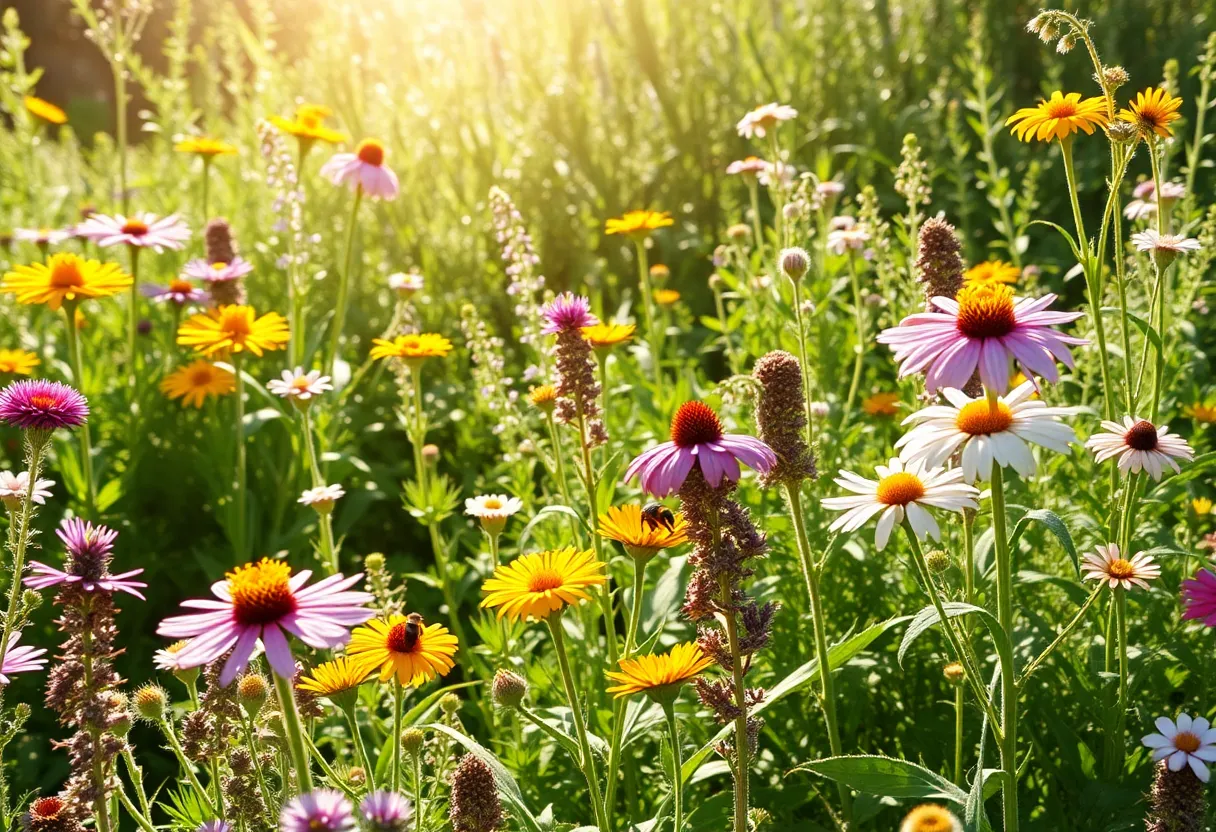
Charlotte residents are advocating for major changes to the city’s vegetation ordinance, sparked by the growing popularity of native gardens that provide environmental benefits. This movement gained momentum following a violation letter issued to Lou Lesesne in June, who has created a naturalistic garden in his front yard comprising solely native plants. The city deemed his yard “overgrown,” stating that vegetation could not exceed one foot in height under current regulations, which could result in penalty fees up to $500 if not corrected within seven days.
The North Carolina Wildlife Federation has been receiving an increasing number of complaints from residents regarding citations for overgrown yards. In response to these frustrations, a coalition named the Coalition to Protect our Urban Nature in Charlotte has formed with the intention of amending the vegetation ordinance. This coalition convened its first meeting in July, assembling representatives from various organizations advocating for native plant gardens.
Some residents, like Elaine Alexander, view their gardens not only as personal spaces but also as classrooms for educating the community about native plants and promoting pollinator habitats. Sarah Gagne, an urban ecology professor, emphasizes the need for clear distinctions between well-maintained native gardens and neglected properties to protect the interests of responsible gardeners.
Charlotte earned designation as a community wildlife habitat by the National Wildlife Federation in 2015, becoming the largest city east of the Mississippi to achieve this status. Additionally, in 2023, Charlotte’s City Council declared the city a “Bee City” affiliate, reaffirming its commitment to supporting local pollinators.
Despite these acknowledgments, Councilwoman Dimple Ajmera has criticized the existing vegetation ordinance for punishing residents who cultivate natural habitats. Although there is a registration process for naturalistic landscapes, it is not formally included in the ordinance, resulting in a lack of guaranteed protection for residents who wish to maintain such gardens. Currently, city staff are exploring improvements for the registration process based on stakeholder feedback, but no concrete changes to the ordinance have yet been enacted.
Wildlife expert Judy Walker has reported declines in bird species in the area, attributing these losses to habitat destruction and the removal of native plants. Nationally, approximately 3 billion birds have been lost since 1970, and recent studies have identified a 22% decline in butterfly populations. In contrast, other cities, such as Columbia, SC, and Winston-Salem, NC, have adjusted their vegetation laws to support native landscaping while lessening penalties for such habitats. However, Charlotte’s registration process remains underexplored among homeowners.
Environmentalists emphasize the essential role of native plants in the food chain, which directly benefits insects and birds. Furthermore, the city’s initiative to increase urban tree canopies is intended to enhance aesthetics and biodiversity, especially in underserved communities. Mecklenburg County residents can also access financial assistance through a program aimed at establishing rain gardens to manage stormwater runoff.
Key Points
- Lou Lesesne’s naturalistic garden received a violation notice for exceeding height restrictions.
- Residents face penalties for non-compliance with the city’s vegetation ordinance.
- A coalition has formed to seek changes to the ordinance that would protect native gardens.
- Charlotte is recognized as a wildlife habitat and a “Bee City” affiliate.
- Wildlife experts warn of declines in bird and butterfly populations linked to habitat loss.
- Efforts underway to improve tree canopies in urban areas and manage stormwater runoff.
FAQ
What is the issue with Charlotte’s vegetation ordinance?
Charlotte’s vegetation ordinance currently penalizes residents cultivating natural habitats, classifying yards with native plants as overgrown.
What is the Coalition to Protect our Urban Nature in Charlotte?
The coalition formed to advocate for amendments to the city’s vegetation ordinance to recognize and protect native gardens.
What support is available for establishing native gardens in Charlotte?
Residents in Mecklenburg County can access a program that provides financial assistance for the costs of establishing rain gardens to manage stormwater runoff.
Deeper Dive: News & Info About This Topic
HERE Resources
Firefighters Battle Growing Pickett Fire in Napa County
White Sage Fire Threatens Grand Canyon Area
Enormous Wildfires Rage Across Canada, Prompting Emergency Declarations
Westhampton Brush Fire Scorches 400 Acres
Charlotte Residents Voice Concerns Over New Clear-Cutting Law
Brush Fires Prompt Evacuations in North and South Carolina
Additional Resources
- Charlotte Observer
- Wikipedia: Native Gardening
- Carolina Journal
- Google Search: Native Plants Charlotte
- WBTV
- Encyclopedia Britannica: Plant
- Charlotte Ledger
- Google News: Charlotte Vegetation Ordinance


Author: HERE Charlotte
The CHARLOTTE STAFF WRITER represents the experienced team at HERECharlotte.com, your go-to source for actionable local news and information in Charlotte, Mecklenburg County, and beyond. Specializing in "news you can use," we cover essential topics like product reviews for personal and business needs, local business directories, politics, real estate trends, neighborhood insights, and state news affecting the area—with deep expertise drawn from years of dedicated reporting and strong community input, including local press releases and business updates. We deliver top reporting on high-value events such as Lovin' Life Music Festival, Charlotte Pride festival, and major sporting tournaments at Bank of America Stadium. Our coverage extends to key organizations like the Charlotte Regional Business Alliance and Foundation for the Carolinas, plus leading businesses in finance and entertainment that power the local economy such as Bank of America and NASCAR. As part of the broader HERE network, including HEREAsheville.com, HEREGreensboro.com, HERERaleigh.com, and HEREOBX.com, we provide comprehensive, credible insights into North Carolina's dynamic landscape.