
Charlotte, North Carolina, December 10, 2025
NASCAR Chairman Jim France maintains his firm opposition to granting permanent charters to racing teams, despite emotional appeals from key figures during a federal antitrust trial. The ongoing trial involving 23XI Racing and Front Row Motorsports has ignited discussions about NASCAR’s charter system, revealing deep-seated tensions within the leadership. The current system, introduced in 2016, offers renewable agreements designed to ensure financial stability but falls short of the demands for permanent charters that some team owners deem crucial for survival. The outcome of the lawsuit could significantly impact the future financial structure and governance of the sport.
Charlotte, North Carolina
NASCAR Chairman Jim France Upholds Stance Against Permanent Charters
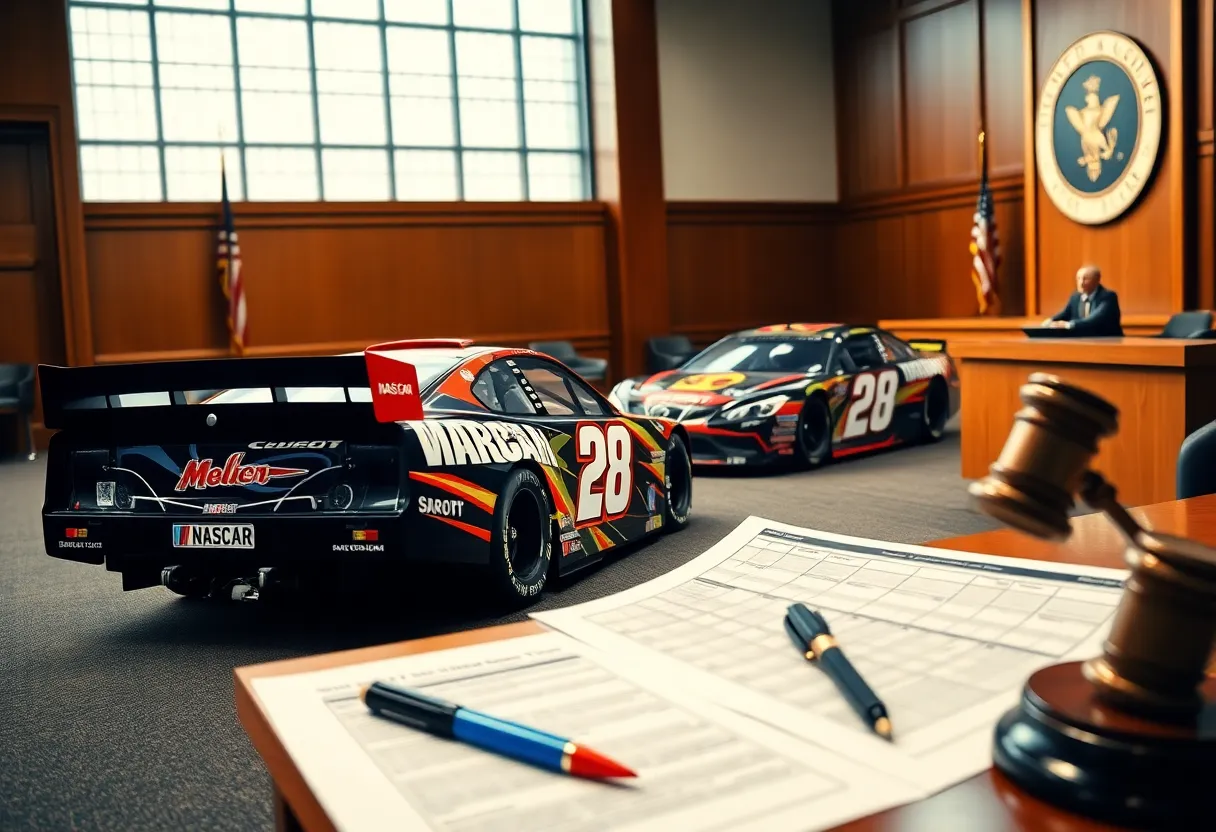
The ongoing debate over NASCAR’s charter system has reached a critical juncture, as NASCAR Chairman Jim France reiterates his refusal to grant permanent charters to racing teams. This position remains firm despite the emotional appeals from influential team owners during a federal antitrust trial launched by Michael Jordan’s 23XI Racing and Front Row Motorsports. The trial has unveiled underlying tensions within NASCAR’s leadership, sparking discussions about the future of the sport and its competitive integrity.
As France took the stand, he confirmed, “No, I have not,” when asked if he had changed his mind regarding permanent charters. This echoes a consistent commitment to the current charter system, which offers a renewable agreement introduced in 2016 designed to secure financial stability and guaranteed race spots for teams. However, key figures such as Joe Gibbs, Rick Hendrick, Jack Roush, and Roger Penske—friends of France—have pressed for a change, deeming permanent charters essential for long-term sustainability.
The Charter System and Its Implications
NASCAR’s charter system was established to provide teams with assured entry to races and specified financial terms. As recent negotiations unfolded, the tension between team demands and NASCAR’s offerings intensified. An extension proposal made in September 2024 sought to increase annual revenue for teams but failed to meet their request for $720 million, a figure NASCAR believes is unviable. The proposal also did not address teams’ calls for permanent charters, influence in governance, or favorable terms regarding new business opportunities, elements deemed crucial by team owners for a sound future.
Antitrust Lawsuit Overview
The backdrop to the trial revolves around 23XI Racing and Front Row Motorsports, which chose not to sign the new charter agreements and subsequently filed an antitrust lawsuit. The lawsuit alleges that NASCAR’s business practices are monopolistic and anti-competitive, demanding systemic reforms and equity in revenue distribution among teams. The stakes are high, as the outcome could reshape the league’s financial structure and governance.
Economic Analysis and Expert Testimony
Economist Dr. Edward A. Snyder’s testimony further complicated the narrative, claiming that NASCAR has underpaid its teams by a staggering $1.06 billion over a four-year period due to monopolistic practices. He recommended substantial damages to the plaintiff teams, estimating $215.8 million for 23XI Racing and $148.9 million for Front Row Motorsports, assertions that NASCAR’s legal team has contested vigorously. Such financial implications could not only impact the two teams involved but also redefine NASCAR’s fiscal landscape altogether.
Future Outlook: Changes on the Horizon?
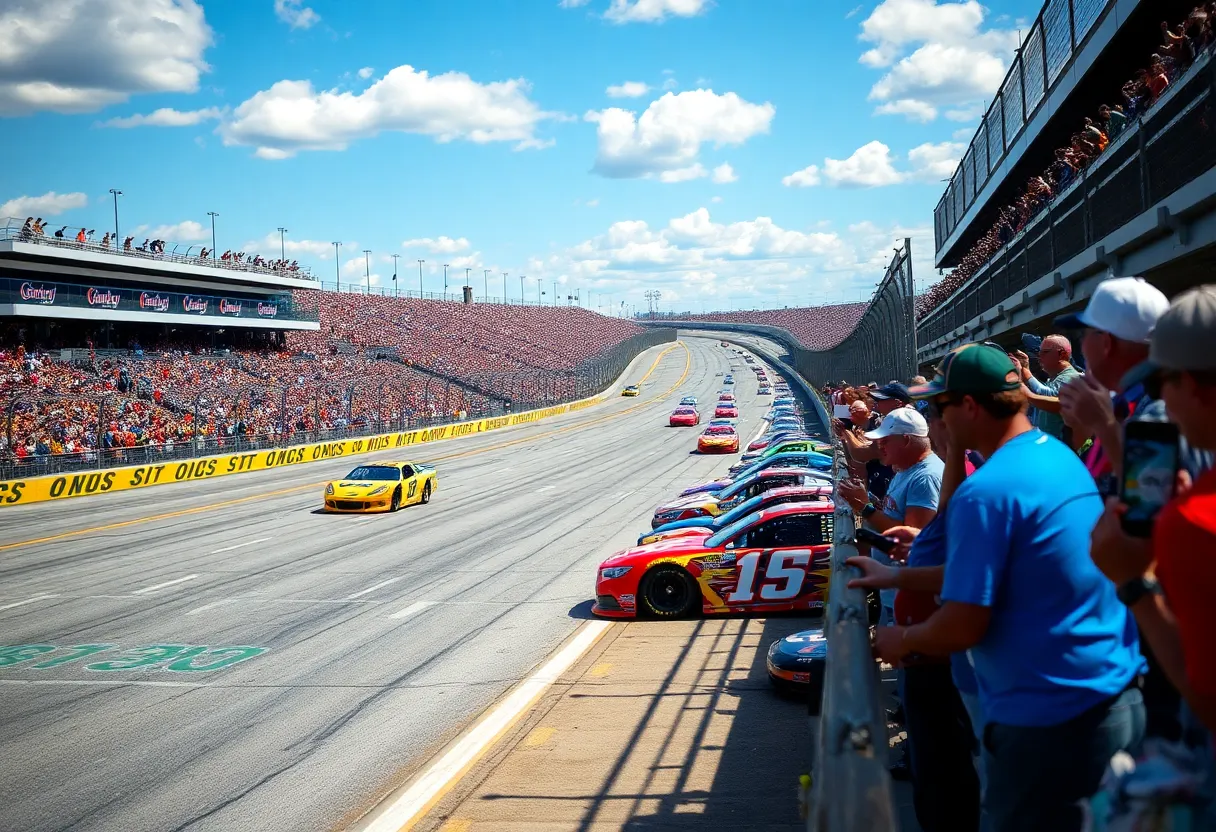
The verdict in this trial could spell significant changes for NASCAR’s charter system and the financial relationship it maintains with its teams. As discussions continue to unfold, the need for a collaborative approach that fosters entrepreneurial innovation and equitable revenue distribution becomes clear. The automotive racing sector remains a key driver of economic growth in North Carolina, and a balanced resolution could pave the way for a brighter and more sustainable future.
Conclusion
The effects of this trial are likely to resonate throughout the NASCAR community, influencing the economic viability and competitive landscape of the sport. As Charlotte’s local economy thrives on innovation and resilience, the outcomes from this case could set new precedents in fostering entrepreneurial endeavors. Stay engaged with the developments in NASCAR and support local businesses as they navigate these changes.
Frequently Asked Questions (FAQ)
What is the current status of NASCAR’s charter system?
The charter system, introduced in 2016, provides teams with guaranteed spots in races and specified financial terms. Recent negotiations have focused on whether these charters should be permanent or renewable. NASCAR Chairman Jim France has maintained a firm stance against granting permanent charters, despite appeals from team owners.
What are the key demands from the teams in the current negotiations?
The teams are seeking permanent charters, a voice in governance, and favorable terms for new business ventures. They have also requested increased revenue distribution, aiming for a total of $720 million annually, a figure that NASCAR Commissioner Steve Phelps testified would be financially unfeasible for the organization.
What is the basis of the antitrust lawsuit filed by 23XI Racing and Front Row Motorsports?
The lawsuit alleges that NASCAR’s practices are monopolistic and anti-competitive, particularly concerning the charter system and revenue distribution. The plaintiffs seek structural reforms and fairer financial terms within the sport.
What are the potential financial implications of the lawsuit?
Economist Dr. Edward A. Snyder estimated that NASCAR underpaid its teams by $1.06 billion over four years due to monopolistic practices. He recommended damages of $215.8 million to 23XI Racing and $148.9 million to Front Row Motorsports. NASCAR’s legal team has disputed these figures, and the trial continues as both sides present their cases.
How might the outcome of this trial affect the future of NASCAR?
The trial’s outcome could lead to significant changes in NASCAR’s charter system and the financial dynamics between the organization and its teams, potentially impacting the sport’s structure and operations.
Key Features of the NASCAR Charter System Dispute
| Feature | Description |
|---|---|
| Charter System | Introduced in 2016, it guarantees teams a spot in races and specified financial terms. |
| Permanent vs. Renewable Charters | Debate over whether charters should be permanent or renewable; NASCAR Chairman Jim France opposes permanent charters. |
| Team Demands | Seeking permanent charters, a voice in governance, favorable terms for new business ventures, and increased revenue distribution totaling $720 million annually. |
| Antitrust Lawsuit | Filed by 23XI Racing and Front Row Motorsports, alleging monopolistic and anti-competitive practices by NASCAR. |
| Financial Implications | Economist estimates NASCAR underpaid teams by $1.06 billion over four years; recommended damages of $215.8 million to 23XI Racing and $148.9 million to Front Row Motorsports. |
Deeper Dive: News & Info About This Topic
HERE Resources
NASCAR’s Charter Controversy: Jim France Stands Firm
NASCAR Antitrust Trial: Implications for Charlotte’s Racing Community
NASCAR Trial in Jacksonville: What You Need to Know
Charlotte’s Blue Line Incident Raises Safety Concerns
Michael Jordan Critiques NASCAR’s Charter System in Antitrust Trial
NASCAR Faces Legal Hurdles Over Antitrust Allegations
Charlotte Enhances Public Safety with ‘Operation Safe Season’
NASCAR Antitrust Trial Examines Revenue-Sharing Dispute
NASCAR Antitrust Case Questions Charter Agreements
Zara Opens Its First Store in Charlotte at SouthPark Mall

Author: HERE Charlotte
The CHARLOTTE STAFF WRITER represents the experienced team at HERECharlotte.com, your go-to source for actionable local news and information in Charlotte, Mecklenburg County, and beyond. Specializing in "news you can use," we cover essential topics like product reviews for personal and business needs, local business directories, politics, real estate trends, neighborhood insights, and state news affecting the area—with deep expertise drawn from years of dedicated reporting and strong community input, including local press releases and business updates. We deliver top reporting on high-value events such as Lovin' Life Music Festival, Charlotte Pride festival, and major sporting tournaments at Bank of America Stadium. Our coverage extends to key organizations like the Charlotte Regional Business Alliance and Foundation for the Carolinas, plus leading businesses in finance and entertainment that power the local economy such as Bank of America and NASCAR. As part of the broader HERE network, including HEREAsheville.com, HEREGreensboro.com, HERERaleigh.com, and HEREOBX.com, we provide comprehensive, credible insights into North Carolina's dynamic landscape.