

Charlotte, NC, December 12, 2025
The Office of the Comptroller of the Currency (OCC) is investigating nine major U.S. banks, including Bank of America and Wells Fargo, over their ‘debanking’ practices that restrict banking services to certain industries from 2020 to 2023. This investigation raises concerns about equitable access to financial services, particularly for lawful businesses in controversial sectors affected by these restrictions. Comptroller Jonathan Gould emphasized the need for accountability and transparency within the banking sector, as local economies are impacted by these limitations.
OCC Investigates “Debanking” Practices Among Major U.S. Banks
The scrutiny of banking policies raises concerns over fair access
Charlotte, NC – The Office of the Comptroller of the Currency (OCC) has launched an investigation into nine major U.S. banks, including Bank of America and Wells Fargo, regarding their implementation of “debanking” practices between 2020 and 2023. These practices involve restricting or denying banking services to certain industries, raising questions about the implications for fair access to financial services. As entrepreneurs and businesses adapt to changing regulatory landscapes, the resilience of local economies becomes increasingly critical.
The OCC’s preliminary findings indicate that these banks have imposed limitations on sectors considered controversial or detrimental according to certain environmental, social, and governance (ESG) metrics. This scrutiny not only impacts the affected industries but also raises concerns about broader economic ramifications, particularly for lawful businesses seeking equitable access to essential banking services.
Identifying Debanking Practices
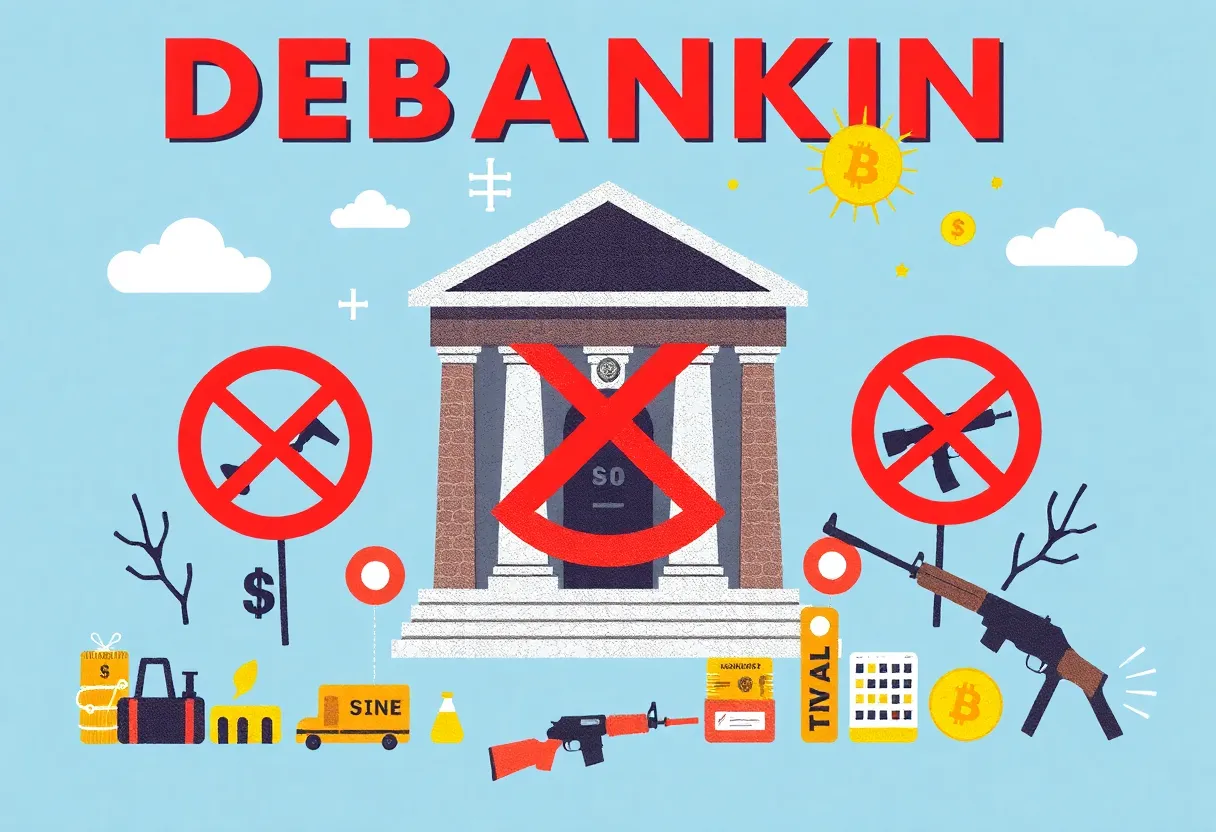
The OCC has revealed that the banks in question have acted to limit services for industries such as oil and gas, coal mining, firearms, private prisons, tobacco, payday lending, adult entertainment, digital assets, and political organizations. Many of these restrictions were reportedly linked to negative media coverage and societal pressures regarding ESG considerations. While banks claim to act responsibly in managing their portfolios, the implications of denying services based on these considerations could stifle innovation and growth within vital industries.
Regulatory Accountability and Oversight
Comptroller of the Currency Jonathan Gould has criticized the banking sector for adopting “harmful debanking policies,” asserting that the OCC is committed to holding these institutions accountable. The ongoing investigation includes potential enforcement actions through the Department of Justice, and the agency is reviewing consumer complaints to assess whether services were declined based on political or religious beliefs. This review reflects a broader effort to ensure transparency and fairness across the financial landscape.
Implications for Industries and Local Economies
The implications of these debanking practices are substantial, as many lawful industries may now find themselves facing barriers to capital and financial services. For local businesses in Charlotte, ensuring that access to banking is maintained without discrimination is essential. As our community comprises diverse industries, the resilience of these sectors—particularly in a dynamically evolving marketplace—remains vital for sustained economic growth.
Reactions from Industry Groups
The National Shooting Sports Foundation (NSSF) supports the OCC’s investigative efforts, particularly concerning the firearm industry, which has experienced challenges due to debanking measures. The NSSF argues that these practices can unfairly undermine lawful commerce and disrupt consumer access to products. As discussions around equitable access continue, various stakeholders are urged to remain vigilant and engaged.
Future Directions and Regulatory Revisions
Looking ahead, the OCC has indicated that it will factor in these debanking practices during bank licensing applications and Community Reinvestment Act ratings. This could lead to significant changes in how banks evaluate their relationships with controversial industries. The agency’s review process aims to establish a more equitable banking environment that fosters entrepreneurism and addresses the needs of diverse sectors without undue regulatory burdens.
Conclusion: Promoting Fair Access to Banking Services
The OCC’s investigation into debanking practices is a critical step toward ensuring that lawful businesses can access essential banking services without facing discrimination based on political or religious beliefs. As the regulatory landscape continues to evolve, it is essential for financial institutions to align their policies with fair banking standards. Local businesses and stakeholders must remain engaged in fostering a community that supports innovation and economic growth throughout Charlotte and beyond.
Key Features of the Article
| Feature | Description |
|---|---|
| Investigation Scope | OCC’s investigation into debanking practices by nine major banks. |
| Industries Affected | Oil and gas, coal mining, firearms, and several others. |
| Regulatory Actions | Potential referrals to the DOJ and consideration of practices in bank licensing. |
| Impact on Local Economy | Concerns about barriers to financial services for lawful industries. |
| Community Engagement | Importance of local businesses and stakeholders in promoting equitable access. |
FAQ
What is “debanking”?
“Debanking” refers to the practice where financial institutions restrict or deny services to certain industries, often based on internal policies related to ESG considerations.
Which banks are under investigation by the OCC?
The banks under scrutiny include JPMorgan Chase, Bank of America, Citigroup, Wells Fargo, U.S. Bank, Capital One, PNC Bank, TD Bank, and BMO Bank.
What industries are affected by the debanking policies?
The affected industries include oil and gas, coal mining, firearms, private prisons, tobacco, payday lending, adult entertainment, digital assets, and political organizations.
What message did the OCC convey regarding these banking practices?
The OCC emphasizes the need for transparency and accountability in banking practices to ensure equitable access to financial services for all lawful businesses.
What actions could be taken against banks practicing debanking?
The OCC may take enforcement actions, which could include referrals to the Department of Justice and considerations during bank licensing applications.
Deeper Dive: News & Info About This Topic
HERE Resources
Sycamore Brewing Founder’s Shocking Arrest and Divestment
Acquittal of Former CMPD Officer Sparks Discussion on Accountability
Three Juveniles Charged with 42 Counts in Union County Crime Spree
Assassination Attempt at Trump Rally in Pennsylvania
Monroe Police Investigate Shooting into Occupied Home
Gastonia Police Seek Help After Eastridge Mall Shooting
Juvenile Charged as Adult Following Series of Crimes in Charlotte
Fatal Stabbing at Northeast Charlotte Hotel Raises Concerns
Port Charlotte Man Arrested for Father’s Death
Tragic Stabbing at North Forsyth High School Claims One Student’s Life

Author: HERE Charlotte
The CHARLOTTE STAFF WRITER represents the experienced team at HERECharlotte.com, your go-to source for actionable local news and information in Charlotte, Mecklenburg County, and beyond. Specializing in "news you can use," we cover essential topics like product reviews for personal and business needs, local business directories, politics, real estate trends, neighborhood insights, and state news affecting the area—with deep expertise drawn from years of dedicated reporting and strong community input, including local press releases and business updates. We deliver top reporting on high-value events such as Lovin' Life Music Festival, Charlotte Pride festival, and major sporting tournaments at Bank of America Stadium. Our coverage extends to key organizations like the Charlotte Regional Business Alliance and Foundation for the Carolinas, plus leading businesses in finance and entertainment that power the local economy such as Bank of America and NASCAR. As part of the broader HERE network, including HEREAsheville.com, HEREGreensboro.com, HERERaleigh.com, and HEREOBX.com, we provide comprehensive, credible insights into North Carolina's dynamic landscape.