
Columbia, SC, January 8, 2026
With rising safety concerns in Charlotte’s transit system, Columbia, SC can draw valuable lessons to enhance public transportation safety. Investments in secure transit are crucial for economic growth and community trust. The situation underscores the importance of effective security measures and ongoing assessments to promote a thriving urban environment, benefiting both transport users and local businesses.
Charlotte
Columbia’s Transit Future: Learning from Neighboring Cities
As a federal transit leader addresses safety concerns in Charlotte, the Midlands can draw valuable insights for fostering secure and thriving urban environments.
Southeastern cities like Columbia, SC, are dynamic hubs of innovation and growth, attracting new residents and businesses alike. This expansion brings with it the crucial need for reliable and safe public infrastructure, particularly in transportation. A well-functioning transit system is not merely a convenience; it’s a foundational pillar supporting economic activity, connecting communities, and enhancing the overall quality of life for residents. Ensuring the safety of these systems is paramount for sustainable urban development and fostering a confident citizenry.
Recent developments in Charlotte, NC, spotlight the critical importance of public transit safety and the attention it draws from federal authorities. The Federal Transit Administration is taking direct action to address serious incidents on Charlotte’s light rail, a situation that offers valuable lessons for all urban centers, including Columbia, as we continue to nurture our own growth and development. By examining the challenges faced by our neighbors, Columbia has an opportunity to reinforce proactive strategies that safeguard our public spaces and support a vibrant Columbia SC business landscape.
The Crucial Link Between Transit Safety and Urban Growth
Public transit systems are fundamental to a city’s economic health, providing essential access to employment, education, and services for a diverse workforce. Studies demonstrate that investments in urban transportation can reduce commute times and generate broader economic benefits, including job creation and increased property values near transit lines. These systems also play a role in reducing traffic congestion and overall road maintenance costs.
However, the economic and social benefits of public transit are intrinsically linked to the perception and reality of safety. When commuters and residents feel secure using public transportation, ridership increases, supporting local businesses and contributing to a bustling urban environment. Conversely, safety concerns can deter potential riders and negatively impact the very economic vitality that transit aims to foster. This interconnectedness is underscored by recent events in Charlotte, where the head of the Federal Transit Administration (FTA) is scheduled to visit on January 16, 2026, to address public safety concerns following violent incidents on the city’s light rail system throughout 2025.
Federal Oversight and Local Accountability in Transit Systems
The involvement of federal authorities in local transit operations highlights the significant responsibility associated with managing public transportation, especially when federal funding is involved. The FTA launched an investigation into the Charlotte Area Transit System (CATS) following a series of violent incidents, including a fatal stabbing in August 2025 and another stabbing in December 2025, both on the LYNX Blue Line light rail. This federal scrutiny reflects a serious concern for passenger and worker safety.
Data supporting the federal investigation revealed a significant increase in safety issues: the rate of assaults on CATS transit workers rose to five times the National average in 2025, after being below the average for the preceding two years. Additionally, crimes against riders were reported to be three times the National average. In response, CATS was formally directed in September 2025 to provide detailed plans for safety improvements and strategies to reduce crime and fare evasion within 15 days. This level of federal engagement underscores the critical need for local transit agencies to uphold stringent safety standards and maintain robust accountability, ensuring public trust and the continuity of vital federal partnerships.
Navigating Challenges: Security Investment and Strategy
The situation in Charlotte also brought to light complexities in how security resources are managed and deployed. An audit of CATS indicated a 55% reduction in armed security personnel since 2018, even as spending on security services increased by 211%. Furthermore, the audit identified a high vacancy rate within contracted security positions. These findings highlight the importance of not just investing in security, but also ensuring those investments translate into effective, visible protection.
In response to these challenges, Charlotte officials have implemented enhanced security measures across the transit system. These include deploying more transit police officers, installing advanced CCTV monitoring systems, and launching public safety awareness campaigns. Additionally, CATS is now utilizing bike and utility terrain vehicle (UTV) patrols along the Blue Line, operated by contracted security personnel, to increase visibility and improve response times in high-traffic areas. Such measures aim to create a more secure environment and demonstrate a proactive approach to evolving safety demands, offering valuable insights for cities like Columbia in optimizing their own security strategies for Midlands economic growth.
Proactive Safety in the Midlands: Lessons for Columbia
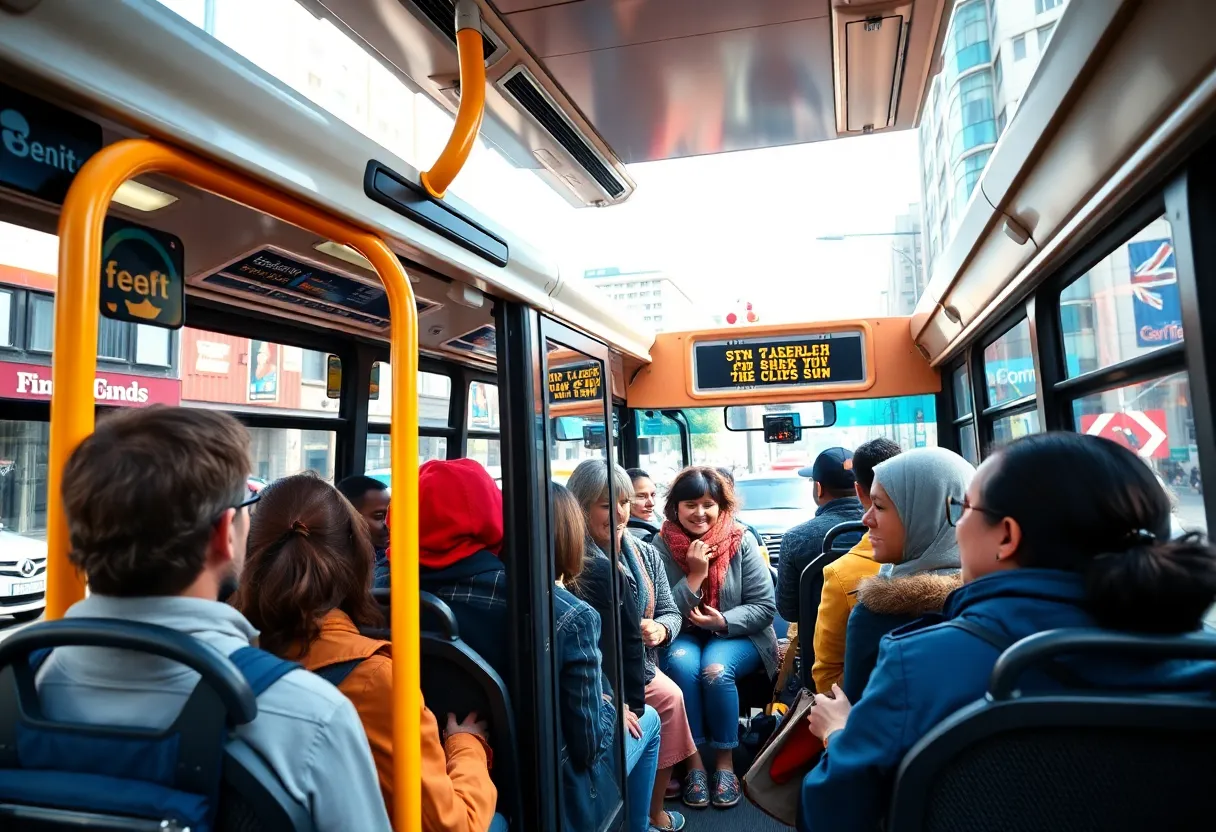
For Columbia, SC, the developments in Charlotte offer a timely opportunity for reflection and proactive planning. While Columbia’s public transportation system, The COMET, primarily consists of a bus network rather than a light rail, the underlying principles of ensuring passenger safety, operational efficiency, and effective resource management are universally vital.
Reports suggest that riders on The COMET have generally expressed a sense of safety on the buses. The COMET has also established clear “Rules of the Road” that outline suspendable conduct, aimed at ensuring the safety and comfort of all passengers and operators. Furthermore, Columbia is actively engaged in a “Safe Streets” initiative, a comprehensive plan to analyze and address safety issues for all road users, including transit riders. This initiative is partially funded by and aligned with the USDOT Safe Streets and Roads for All program, demonstrating a commitment to creating a safer transportation network citywide. These ongoing efforts contribute significantly to the appeal and functionality of the Richland County economy.
By staying informed about experiences in other growing cities and continually evaluating local protocols, Columbia can further strengthen its public safety framework. This proactive stance is crucial for fostering an environment where South Carolina entrepreneurs and small businesses can flourish, underpinned by confidence in public services and infrastructure.
Fostering a Secure Environment for Economic Flourishing
A secure and efficiently managed public transit system is indispensable for fostering a thriving urban environment. When residents, visitors, and employees feel safe, they are more likely to engage with local businesses, utilize public spaces, and contribute positively to the economy. Safer streets are generally more vibrant streets, contributing to the success of Columbia small businesses. The economic impact of traffic incidents alone highlights the importance of safety measures, with crashes in Columbia between 2019 and 2023 resulting in substantial economic costs.
Columbia’s leadership and community, through initiatives like the “Safe Streets” program and ongoing efforts by The COMET, are working to create such an environment. By emphasizing entrepreneurial innovation in security solutions, encouraging private investment in safe community spaces, and ensuring responsible oversight of public services, Columbia can continue to build a foundation for sustained economic growth and an enhanced quality of life. The lessons from neighboring cities serve as a reminder that vigilance, adaptability, and community involvement are key to maintaining safe and prosperous urban centers.
To support Columbia’s continued economic success and vibrant community life, we encourage all residents to stay engaged in discussions about local infrastructure and public safety. Your active participation helps shape the future of our city, ensuring it remains a place where businesses thrive and every individual feels secure. Supporting local businesses that prioritize safety and advocating for innovative solutions are crucial steps in this collective endeavor.
Frequently Asked Questions
- What prompted the Federal Transit Administration’s visit to Charlotte?
- The Federal Transit Administration’s (FTA) Administrator will visit Charlotte, NC, on January 16, 2026, following a series of violent incidents on the city’s light rail system throughout 2025, which included a fatal stabbing in August and another stabbing in December.
- What were the key safety concerns identified in Charlotte’s transit system?
- The FTA investigation noted that the rate of assaults on Charlotte Area Transit System (CATS) transit workers jumped to five times the National average in 2025, and crimes against riders were three times the National average. An audit also revealed a 55% reduction in armed security personnel since 2018, despite a 211% increase in security services spending.
- How did Charlotte’s transit system respond to the safety concerns?
- Charlotte officials implemented enhanced security measures, including deploying more transit police officers, installing advanced CCTV monitoring systems, launching safety awareness campaigns, and utilizing bike and utility terrain vehicle (UTV) patrols along the light rail.
- How is Columbia, SC, addressing public transportation safety?
- Columbia, SC’s public transportation system, The COMET, primarily uses buses, and riders have generally reported feeling safe on them. The COMET has rules of conduct to ensure safety. Columbia also has a “Safe Streets” initiative, which analyzes safety issues for all road users, including transit riders, partially funded by the USDOT Safe Streets and Roads for All program.
- What is the economic impact of public transit safety?
- Safe and reliable public transit systems contribute to economic health by improving job accessibility, increasing property values, reducing congestion, and supporting local businesses by encouraging ridership.
Key Features of Public Transit Safety and Economic Impact
| Feature | Details (Charlotte, NC) | Relevance to Columbia, SC | Scope |
|---|---|---|---|
| Federal Oversight | Federal Transit Administration (FTA) Administrator to visit Charlotte on January 16, 2026, due to safety concerns and violent incidents on light rail. FTA launched an investigation into CATS’ security spending and safety planning. | Highlights the importance of local accountability and adherence to safety standards for any city receiving federal transit funding. | City-level (Charlotte), Nationwide (FTA oversight) |
| Safety Incidents | Two stabbings on Charlotte’s LYNX Blue Line light rail in 2025 (one fatal in August, one non-fatal in December). | Emphasizes the critical need for proactive safety measures and effective security protocols in all public transit systems, regardless of mode. | City-level (Charlotte) |
| Safety Concerns Data | Assaults on CATS transit workers jumped to five times the National average in 2025. Crimes against riders were three times the National average. | Reinforces the necessity for continuous monitoring of safety metrics and immediate intervention when concerning trends emerge to protect both employees and passengers. | City-level (Charlotte), Nationwide (averages) |
| Security Spending & Personnel | Audit revealed a 55% reduction in armed security personnel since 2018, despite a 211% increase in security services spending, with high vacancy rates in contracted positions. | Suggests that effective security requires strategic allocation of resources and adequate staffing, not just increased spending. | City-level (Charlotte) |
| Implemented Security Measures | Enhanced security includes more transit police, advanced CCTV, safety campaigns, and deployment of bike and utility terrain vehicle patrols. | Provides examples of practical security enhancements that can be adapted and considered for Columbia’s bus system and public spaces. | City-level (Charlotte) |
| Columbia’s Transit System | The COMET primarily uses buses. Riders have generally felt safe on The COMET buses. The COMET has rules regarding suspendable conduct for safety. | Demonstrates Columbia’s existing commitment to public safety on its transit system. | City-level (Columbia) |
| Columbia’s Proactive Safety | City of Columbia has a “Safe Streets” initiative to analyze safety issues for all road users, including transit riders, partially funded by the USDOT Safe Streets and Roads for All program. | Highlights Columbia’s ongoing efforts to create a safer environment for all citizens, including those who use public transit. | City-level (Columbia), Nationwide (USDOT program) |
| Economic Impact of Transit Safety | Safe and reliable public transit systems improve job accessibility, increase property values, reduce congestion, and support local businesses. Crashes in Columbia (2019-2023) had significant economic costs. | Underscores that public safety directly influences a city’s economic vitality and quality of life for Columbia SC business and Midlands economic growth. | Nationwide, City-level (Columbia) |
Deeper Dive: News & Info About This Topic
HERE Resources
Teacher Arrested and Terror Plot Uncovered in North Carolina
Carolina Panthers Clinch NFL Playoff Spot with Losing Record
North Carolina Teachers Plan Walkout Over Low Pay
Petition Filed to Remove Sheriff McFadden Amidst Election Challenges
Sycamore Brewing Closes South End Taproom Amid Arrest Scandal
Charlotte Officials to Testify on Public Safety and Transit Issues
Unseasonably Warm Weather Hits Charlotte Region Ahead of Rain
Anticipation Builds for NFL Playoff Schedule and Panthers’ Future
Sycamore Brewing’s Cotswold Village Expansion Terminated
Charlotte Reconsiders Street Vending Rules

Author: HERE Charlotte
The CHARLOTTE STAFF WRITER represents the experienced team at HERECharlotte.com, your go-to source for actionable local news and information in Charlotte, Mecklenburg County, and beyond. Specializing in "news you can use," we cover essential topics like product reviews for personal and business needs, local business directories, politics, real estate trends, neighborhood insights, and state news affecting the area—with deep expertise drawn from years of dedicated reporting and strong community input, including local press releases and business updates. We deliver top reporting on high-value events such as Lovin' Life Music Festival, Charlotte Pride festival, and major sporting tournaments at Bank of America Stadium. Our coverage extends to key organizations like the Charlotte Regional Business Alliance and Foundation for the Carolinas, plus leading businesses in finance and entertainment that power the local economy such as Bank of America and NASCAR. As part of the broader HERE network, including HEREAsheville.com, HEREGreensboro.com, HERERaleigh.com, and HEREOBX.com, we provide comprehensive, credible insights into North Carolina's dynamic landscape.