
Columbia SC, January 9, 2026
As federal scrutiny on transit safety intensifies in nearby Charlotte, Columbia, SC, recognizes the critical importance of secure infrastructure for sustaining economic prosperity. Safe public transit enhances job access, property values, and supports local businesses, offering valuable lessons for Midlands growth. With local initiatives and partnerships like The COMET’s safety measures and ‘Safe Streets’ strategy, Columbia is committed to proactive public safety and economic enhancement amidst evolving transit challenges.
Federal Spotlight on Transit Safety: Lessons for Midlands Growth
As federal attention turns to urban transit safety in a neighboring state, Columbia, SC, observes the crucial link between secure infrastructure and sustained economic prosperity.
Introduction
A robust and secure infrastructure is a cornerstone for any thriving community, acting as a catalyst for Columbia SC business and fostering robust Midlands economic growth. Effective public services are not merely conveniences; they are foundational elements that enable entrepreneurial success, bolster community well-being, and attract vital investment. Recently, a significant federal focus has been placed on public transit safety in a major city nearby, underscoring the universal importance of well-managed and secure transportation networks for regional economic vitality.
This intensified scrutiny, while centered in Charlotte, North Carolina, offers a timely opportunity for communities like Columbia to reflect on the indispensable role of safety and operational excellence in public transit. Ensuring secure public spaces and reliable transportation systems is paramount not only for daily commerce and commuting but also for projecting an environment conducive to innovation and sustained growth for South Carolina entrepreneurs.
Federal Scrutiny on Transit Safety in Charlotte
Charlotte, North Carolina, is currently at the forefront of a significant federal review concerning the safety and security of its public transportation system. On January 16, a Trump administration official, the head of the Federal Transit Administration (FTA), is scheduled to visit Charlotte to comprehensively review the safety and security efforts of the Charlotte Area Transit System (CATS). This visit comes in the wake of escalating safety concerns, specifically prompted by two stabbing attacks that occurred on Charlotte’s transit system.
The FTA’s review aims to thoroughly examine CATS’s allocation of resources for security measures and its broader strategies for maintaining public safety within its transit network. The Federal Transit Administration’s mission is to enhance transit safety through policy development, hazard investigation, data collection, risk analysis, effective oversight programs, and information sharing Nationwide. As a modal administration within the U.S. Department of Transportation Nationwide, the FTA provides financial and technical assistance to public transportation systems, while also administering a national transit safety program and compliance oversight process Nationwide to advance safe and reliable transit service throughout the United States. This federal engagement highlights a commitment to ensuring that public transit systems operate with the highest standards of safety and security.
The Cornerstone of Economic Vitality: Secure Infrastructure
Safe and reliable public transportation is a critical component of a healthy and growing economy, impacting everything from individual mobility to regional competitiveness. Public transit systems contribute to economic health Nationwide by improving job accessibility, increasing property values, reducing congestion, and supporting local businesses through encouraging ridership. A robust infrastructure, encompassing transportation systems, communication networks, and basic services, is the backbone of a successful economy Nationwide. It fosters trade, powers businesses, connects workers to employment, and creates opportunities for communities Nationwide. When residents and visitors feel secure utilizing public spaces and transit, it builds confidence, which in turn encourages investment and stimulates economic activity.
A perception of insecurity on transit can discourage ridership and have a negative impact on the economy Nationwide. Conversely, promoting safer public transit systems can encourage more individuals to use them, which can reduce traffic congestion and improve air quality, making communities safer and healthier Nationwide. This directly supports the growth of Columbia small business by ensuring a mobile workforce and accessible customer base, demonstrating that safety measures are not just protective but also profoundly economic.
Balancing Oversight with Local Innovation
The interaction between federal oversight, as exemplified by the FTA’s actions, and the operational independence of local transit authorities is a delicate balance. Federal agencies establish a framework of rules, policies, and guidance to promote safety standards Nationwide. This oversight can be a crucial mechanism for accountability and for sharing best practices across the nation. However, it is equally important that this oversight empowers rather than encumbers local innovation and efficiency. Effective regulation should aim to safeguard public well-being without stifling the entrepreneurial spirit that drives local solutions.
For South Carolina entrepreneurs and local transit leaders, the goal is to implement safety and security measures that are both effective and tailored to specific community needs, leveraging federal support and guidance strategically. The FTA’s Office of Safety Management, for instance, aims to drive continuous improvements in transit safety Nationwide through Safety Management Systems (SMS) methods and principles, including developing policies, identifying and managing safety risks, and establishing safety promotion programs. This proactive approach underscores the value of structured safety management while allowing for local adaptation.
Community Resilience and Proactive Measures in Columbia
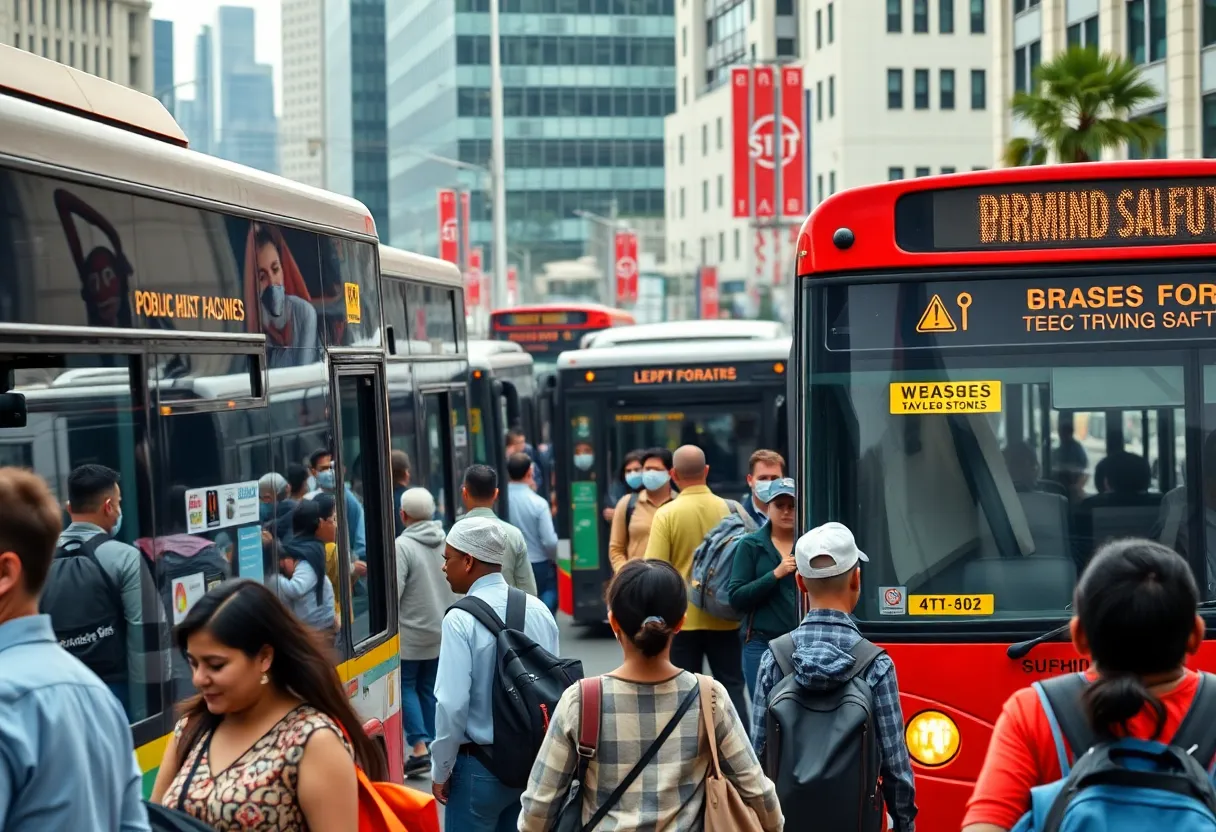
While the federal review targets Charlotte, it provides a valuable lens through which Columbia, SC, can assess its own commitment to maintaining safe and effective public services. Columbia’s public transportation system, The COMET, primarily operates a bus network, and reports indicate that riders generally feel safe on its buses. The COMET has implemented its own rules of conduct to ensure safety and has partnered with the National Safe Place Network (NSPN) to identify all buses and The COMET Transit Center as “Safe Place” locations for youth in crisis in the Greater Columbia Area. This initiative reflects a proactive, community-oriented approach to public safety.
Furthermore, the City of Columbia has its own “Safe Streets” initiative, which analyzes safety issues for all road users, including transit riders. This initiative is partially funded by the USDOT Safe Streets and Roads for All program, a Nationwide effort, demonstrating Columbia’s commitment to creating a safer transportation network citywide. Such local programs highlight a dedication to community well-being that complements broader safety principles and contributes to a stable environment for Columbia small business.
Implications for Midlands Economic Growth
For Midlands economic growth, the situation in Charlotte serves as a pertinent reminder that investment in safe, well-maintained infrastructure is not just a civic duty but an economic imperative. South Carolina faces its own challenges and opportunities in transit funding, with current state funding levels lagging behind neighboring states in per capita transit investment. Increased transit funding is crucial for supporting local economies and improving access to jobs, healthcare, and education Statewide. The Bipartisan Infrastructure Law Nationwide provides opportunities for South Carolina to receive federal funding for public transportation improvements, including competitive grants for rail improvement and safety, and programs like Safe Streets for All Nationwide.
By ensuring public safety and reliability in transit and other public infrastructures, Columbia can continue to attract investment, support its burgeoning entrepreneurial sector, and enhance the quality of life for its residents. The commitment to strong, secure infrastructure is a direct investment in the future prosperity of Richland County economy, demonstrating that a safe community is a prosperous community.
Conclusion
The federal spotlight on transit safety in Charlotte reinforces a fundamental principle: a secure and well-managed public infrastructure is indispensable for fostering a vibrant and resilient economy. For Columbia, SC, this underscores the ongoing importance of proactive local leadership, strategic resource allocation, and sustained community engagement in upholding public safety across all sectors. As Columbia SC business continues to innovate and expand, a steadfast commitment to secure environments will remain a critical foundation, ensuring that the Midlands economic growth journey is one of both progress and peace of mind. Supporting local initiatives that strengthen community safety and economic foundations is an investment in Columbia’s promising future.
Frequently Asked Questions (FAQ)
What is the Federal Transit Administration’s (FTA) mission regarding safety?
The FTA’s mission is to enhance transit safety through policy development, hazard investigation, data collection, risk analysis, effective oversight programs, and information sharing Nationwide.
Why is a Trump administration official visiting Charlotte?
A Trump administration official, the head of the Federal Transit Administration, is visiting Charlotte, North Carolina, on January 16 to review the Charlotte Area Transit System (CATS) safety and security efforts. This visit is due to significant safety concerns, including two stabbing attacks on Charlotte transit, and broader scrutiny regarding CATS’s security spending and safety plans.
How does public transit safety impact economic health?
Safe and reliable public transit systems contribute to economic health Nationwide by improving job accessibility, increasing property values, reducing congestion, and supporting local businesses by encouraging ridership.
What are some of Columbia, SC’s public transit safety initiatives?
Columbia, SC’s public transportation system, The COMET, has rules of conduct to ensure safety. The COMET has partnered with the National Safe Place Network to identify all buses and The COMET Transit Center as “Safe Place” locations for youth in crisis in the Greater Columbia Area. Columbia also has a “Safe Streets” initiative to analyze safety issues for all road users, including transit riders, partially funded by the USDOT Safe Streets and Roads for All program Nationwide.
What federal funding opportunities exist for transportation infrastructure in South Carolina?
South Carolina is eligible for federal funding through the Bipartisan Infrastructure Law Nationwide for public transportation improvements, including competitive grants for rail improvement and safety, and programs like Safe Streets for All Nationwide.
Key Features of Public Transit Safety Oversight
| Feature | Description | Scope |
|---|---|---|
| Federal Transit Administration (FTA) Mission | Enhance transit safety through policy development, hazard investigation, data collection, risk analysis, oversight, and information sharing. | Nationwide |
| Charlotte CATS Review | Federal Transit Administration head to review Charlotte Area Transit System (CATS) safety and security due to stabbing incidents and scrutiny of security spending. | City-level (Charlotte, NC) |
| Economic Impact of Transit Safety | Safe and reliable public transit improves job accessibility, increases property values, reduces congestion, and supports local businesses. | Nationwide |
| Columbia, SC’s The COMET Safety Measures | Rules of conduct, “Safe Place” partnership with National Safe Place Network, and “Safe Streets” initiative (partially funded by USDOT Safe Streets for All program). | City-level (Columbia, SC) (USDOT program is Nationwide) |
| South Carolina Transit Funding Context | State funding lags behind neighboring states; increased funding is crucial for local economies and job access. | State-level (South Carolina) |
| Federal Infrastructure Grants | South Carolina can receive federal funding via the Bipartisan Infrastructure Law, including for rail safety and “Safe Streets for All” programs. | State-level (South Carolina) and Nationwide for programs |
Deeper Dive: News & Info About This Topic
HERE Resources
Charlotte Airport Expansion: Lessons for Midlands Growth
Learning from Charlotte: Improving Transit Safety in Columbia
Charlotte Officials to Testify on Public Safety and Transit Issues
Unseasonably Warm Weather Hits Charlotte Region Ahead of Rain
Charlotte Reconsiders Street Vending Rules
Regional Transportation Firm’s Sudden Closure Highlights Economic Realities
Charlotte Reinstates Public Safety Committee Amid Rising Crime
Charlotte Welcomes New Year with Celebrations and New Laws
Reflecting on the Carolinas’ Most Significant Stories
Columbia Celebrates Community Spirit

Author: HERE Charlotte
The CHARLOTTE STAFF WRITER represents the experienced team at HERECharlotte.com, your go-to source for actionable local news and information in Charlotte, Mecklenburg County, and beyond. Specializing in "news you can use," we cover essential topics like product reviews for personal and business needs, local business directories, politics, real estate trends, neighborhood insights, and state news affecting the area—with deep expertise drawn from years of dedicated reporting and strong community input, including local press releases and business updates. We deliver top reporting on high-value events such as Lovin' Life Music Festival, Charlotte Pride festival, and major sporting tournaments at Bank of America Stadium. Our coverage extends to key organizations like the Charlotte Regional Business Alliance and Foundation for the Carolinas, plus leading businesses in finance and entertainment that power the local economy such as Bank of America and NASCAR. As part of the broader HERE network, including HEREAsheville.com, HEREGreensboro.com, HERERaleigh.com, and HEREOBX.com, we provide comprehensive, credible insights into North Carolina's dynamic landscape.