
Charlotte, North Carolina, January 22, 2026
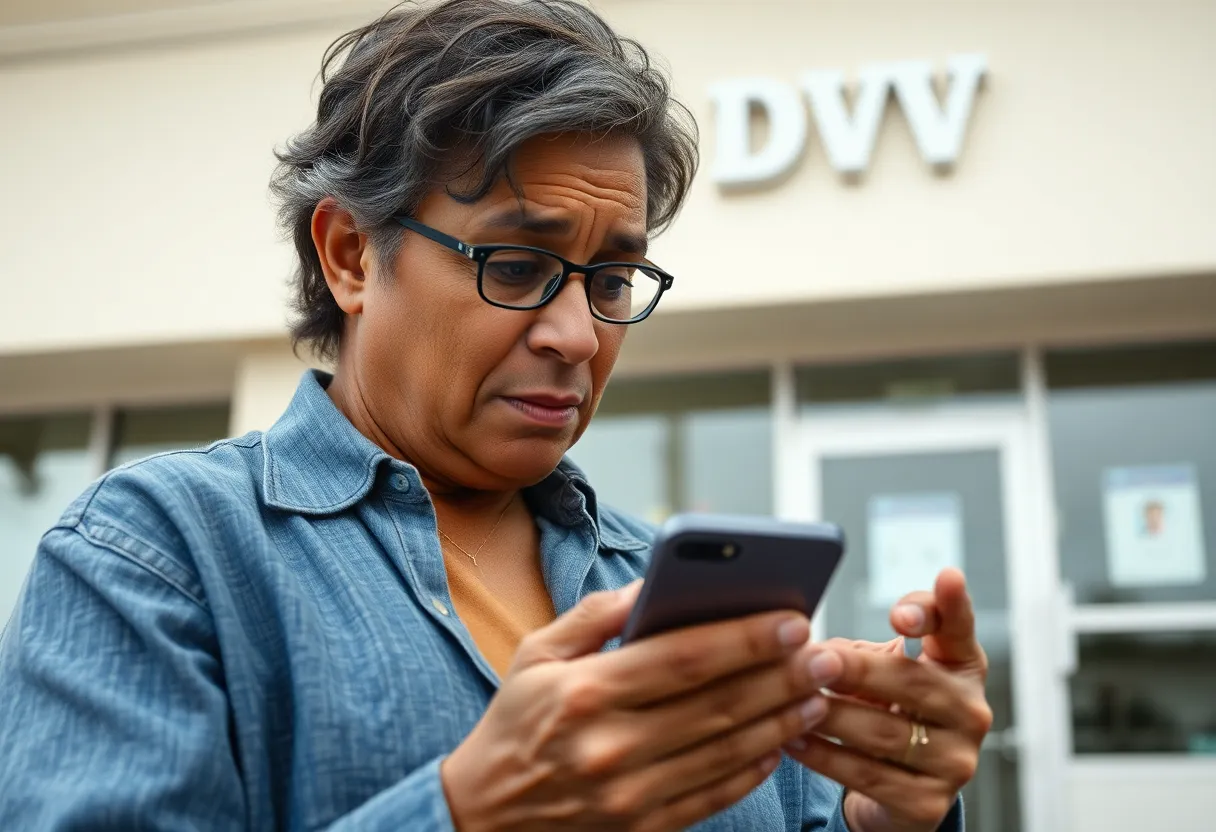
Residents of North Carolina are being targeted by a new wave of text message scams posing as the North Carolina Division of Motor Vehicles (NCDMV). These deceptive messages claim that individuals owe money for unpaid parking tickets or traffic violations, threatening severe penalties. State officials have confirmed these messages are scams and urge the public to refrain from engaging with them. The NCDMV affirms it will never request payments via text messages and recommends reporting any suspicious communications.
Charlotte, North Carolina – Public Alert Issued for Widespread DMV Text Scams
Residents across North Carolina are currently facing a significant threat from a new wave of deceptive text messages impersonating the North Carolina Division of Motor Vehicles (NCDMV). These fraudulent communications falsely claim that recipients owe money for unpaid parking tickets or other traffic violations. The messages aggressively warn of severe penalties, including immediate license suspension, vehicle registration cancellation, extra fines, or even potential prosecution, urging recipients to click on a provided link to resolve the alleged issue promptly. State authorities, including North Carolina Attorney General Jeff Jackson and NCDMV Commissioner Paul Tine, have unequivocally confirmed these texts are scams and are advising the public to exercise extreme caution and avoid any interaction with them.
Understanding the “Smishing” Threat
The scam texts are a form of SMS phishing, commonly known as “smishing,” which uses text messages to trick individuals into revealing sensitive personal and financial information. These messages are meticulously crafted to appear urgent and official, creating a sense of panic that can lead people to act quickly without proper verification. Scammers exploit the common reliance on driving privileges and vehicle registration, knowing that many adults regularly deal with DMV-related matters, such as renewals or fees. The perceived authority of a government agency like the DMV makes recipients more susceptible to these deceptive tactics.
Tactics Used in Fraudulent DMV Texts
These scam texts often employ several key characteristics to ensnare unsuspecting individuals:
- They frequently allege an unpaid parking ticket or traffic violation.
- Threats are common, including the suspension of driving privileges or vehicle registration, additional fines, or legal action if payment is not made through the provided link.
- The messages typically contain a malicious link designed to direct users to a fake website. This site then attempts to steal credit card details, driver’s license information, and other personal data.
- Some texts found in North Carolina have included specific, false claims, such as referring to a non-existent state code (e.g., section 15C-16.003) or threatening a “35% service fee at toll booths,” penalties that are not recognized under North Carolina law. Additionally, threats of damage to credit scores are not legal penalties for these situations in the state.
- A clear indicator of a fraudulent message is often the web address in the link provided. Scam links frequently end in unusual country codes like “.cc” (associated with the Cocos Islands), rather than the official “.gov” domain used by legitimate government agencies.
Nationwide Prevalence of DMV Scams
It is important to note that these types of DMV impersonation scams are not isolated to North Carolina but are part of a broader nationwide trend. Reports of similar fraudulent text messages have surfaced in numerous other states, including Maine, Alabama, and Rhode Island. Beyond DMVs, malicious actors have also been known to impersonate other senior U.S. state government officials, White House officials, and members of Congress in malicious messaging campaigns, highlighting a widespread and evolving cybersecurity threat. The Federal Bureau of Investigation (FBI) and Federal Trade Commission (FTC) have previously intervened to alert the public about these pervasive scam attempts.
Official NCDMV Communication Policies
The NCDMV has made it explicitly clear that it will never request payments via text message. Nor will it send links through text messages asking for payment. Official communications from the NCDMV for services like vehicle registration renewals or updates are typically sent via email to customers who have opted in for such notifications, or through traditional mail, such as postcards. For various online transactions, the NCDMV uses its official online service, PayIt, which may involve a small transaction fee. The only way to ensure direct and secure interaction is through the official NCDMV website or designated contact methods.
What to Do If You Receive a Suspicious Text
If you receive a text message claiming to be from the NCDMV and demanding payment or personal information, it is critical to take the following steps:
- Do NOT click on any links within the message, and do not provide any personal or financial information.
- Report the text as spam or junk to your mobile carrier. After reporting, immediately block the sender’s number and delete the message.
- Report the incident to the North Carolina Attorney General’s Consumer Protection Division, which tracks scams and works to shut them down. Reports can be made via ncdoj.gov/complaint or ncdoj.gov/report-robocalls. You should also report the scam to the Federal Trade Commission (FTC) at ReportFraud.ftc.gov.
- If you are uncertain about the legitimacy of any communication purportedly from the NCDMV, contact the agency directly using official channels. The NCDMV customer service can be reached at 919-715-7000, or you can visit their official website, NCDMV.gov, to verify.
Protecting your personal information and financial security is paramount. Remaining vigilant and informed about these pervasive text scams can help prevent you from becoming a victim.
Frequently Asked Questions About DMV Text Scams
Will the NCDMV text me about unpaid tickets?
No, the North Carolina Division of Motor Vehicles (NCDMV) will never request payments via text message. They also do not send links asking for payment through text.
What are the warning signs of a DMV scam text?
Warning signs include claims of unpaid parking tickets or traffic violations, threats of license suspension or extra fines, and a link to make an immediate payment. Fraudulent links often end in unusual country codes like “.cc” instead of the official “.gov” domain. Some scam texts may also mention fake North Carolina state codes or non-existent penalties like a “35% service fee at toll booths” or damage to credit scores, which are not legitimate under North Carolina law. This type of scam is part of a nationwide trend.
What should I do if I receive a suspicious DMV text?
Do not click on any links or provide personal information. Report the text as spam/junk to your phone carrier, then block the sender and delete the message. You should also report the incident to the North Carolina Attorney General’s Consumer Protection Division at ncdoj.gov/complaint or ncdoj.gov/report-robocalls, and the Federal Trade Commission (FTC) at ReportFraud.ftc.gov. These steps apply nationwide.
What should I do if I clicked a link or provided information?
If you clicked a fraudulent link or provided personal information, immediately contact your bank or credit card provider to secure your accounts. It is also recommended to monitor your credit report for any unusual activity. This advice applies nationwide.
How can I verify if an NCDMV message is legitimate?
If you are unsure whether a text, email, or letter from the NCDMV is legitimate, contact the agency directly using their official phone number at 919-715-7000 or visit their official website, NCDMV.gov.
Key Features of DMV Text Scams
| Feature | Description | Geographic Scope |
|---|---|---|
| Impersonation | Texts claim to be from the Division of Motor Vehicles (DMV) or other government agencies. | Nationwide |
| False Claims | Allege unpaid parking tickets, traffic violations, or other fees. | State-level (North Carolina) |
| Threats | Warn of license suspension, vehicle registration cancellation, extra fines, or prosecution. | State-level (North Carolina) and Nationwide |
| Malicious Links | Include links to fake websites designed to steal personal and financial information. | Nationwide |
| Urgency | Use language to create panic and pressure for immediate action. | Nationwide |
| Fake Domain Indicators | Links often end in unusual country codes like “.cc” instead of the official “.gov”. | State-level (North Carolina) |
| Non-existent Penalties | May mention fake state codes or unapproved fees like “35% service fee at toll booths.” | State-level (North Carolina) |
Now Happening on X
- @CMPD (January 15, 2026, 12:30 PM) Charlotte-Mecklenburg Police Department shared its annual public safety update, reporting a 9% decrease in overall crime, including a 21% drop in violent crime and 6% in property crime for 2025, despite the city’s rapid growth. View on X
- @wcnc (January 16, 2026, 8:30 AM) CMPD reports a significant drop in violent crime across Charlotte neighborhoods, emphasizing that every area deserves to feel safe amid ongoing public safety efforts. View on X
- @CharlotteTalks (January 15, 2026, 12:01 PM) Local news roundup highlights CMPD’s report of a declining murder rate in 2025, city council funding for a new transportation authority, and detection of the measles virus in Mecklenburg County’s wastewater. View on X
- @CBJnewsroom (January 16, 2026, 3:45 PM) A multi-pronged initiative in uptown Charlotte aims to enhance public safety and perceptions following high-profile shootings and a recent crime spike. View on X
- @SpecNews1CLT (January 17, 2026, 7:00 AM) Charlotte’s immigrant community faces major disruptions from low school attendance to business closures due to recent events impacting public safety and daily life. View on X
- @wbtradio (January 16, 2026, 9:05 PM) Coverage includes CMPD’s crime press conference, a Charlotte man resolving an HOA dispute, and a major announcement from Mecklenburg ABC on local developments. View on X
Deeper Dive: News & Info About This Topic
HERE Resources

Author: HERE Charlotte
The CHARLOTTE STAFF WRITER represents the experienced team at HERECharlotte.com, your go-to source for actionable local news and information in Charlotte, Mecklenburg County, and beyond. Specializing in "news you can use," we cover essential topics like product reviews for personal and business needs, local business directories, politics, real estate trends, neighborhood insights, and state news affecting the area—with deep expertise drawn from years of dedicated reporting and strong community input, including local press releases and business updates. We deliver top reporting on high-value events such as Lovin' Life Music Festival, Charlotte Pride festival, and major sporting tournaments at Bank of America Stadium. Our coverage extends to key organizations like the Charlotte Regional Business Alliance and Foundation for the Carolinas, plus leading businesses in finance and entertainment that power the local economy such as Bank of America and NASCAR. As part of the broader HERE network, including HEREAsheville.com, HEREGreensboro.com, HERERaleigh.com, and HEREOBX.com, we provide comprehensive, credible insights into North Carolina's dynamic landscape.