
Mecklenburg County, January 29, 2026
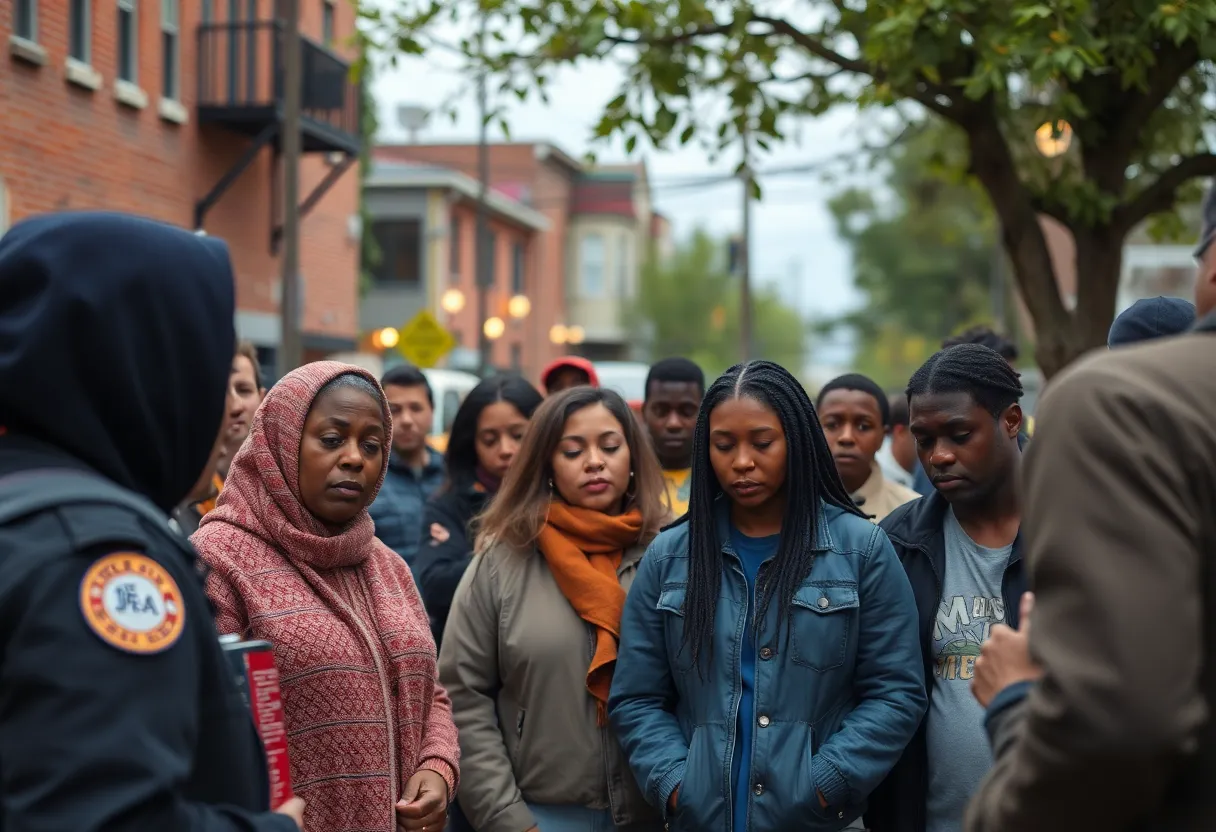
Mecklenburg County is currently grappling with significant uncertainty surrounding future federal housing funding due to a potential policy shift from HUD. The county’s annual budget discussions echo concerns from officials about impacts on homelessness and affordable housing services. As federal priorities shift from permanent to temporary housing solutions, local initiatives face potential funding reductions, exacerbating the existing housing crisis in the region.
Charlotte
Mecklenburg County is currently navigating its annual budget discussions amid significant uncertainty surrounding future federal housing funding. This situation, driven by a potential policy shift from the U.S. Department of Housing and Urban Development (HUD), could reshape how the county addresses homelessness and provides essential affordable housing services.
The federal government is reportedly shifting its policy focus, moving away from prioritizing permanent housing funding toward temporary transitional housing solutions. This change is causing concern among county officials regarding its potential impact on local housing initiatives.
Federal Funding Shift and Local Impact
In the past year, the Mecklenburg County Continuum of Care, a collaborative network of local organizations working to combat homelessness, received $7.6 million in federal funds. A substantial 90% of this funding was directed towards permanent housing programs. Under the proposed federal policy, the allocation for permanent housing could potentially decrease to 30%. Additionally, HUD may no longer provide funding for programs that incorporate racial preferences, which have historically been a factor in counties receiving aid. County leaders express concern that these federal adjustments could exacerbate the existing housing shortage in the area and prolong periods of homelessness for many residents.
The uncertainty in federal funding presents challenges for affordable and supportive housing initiatives nationwide. Reductions in funding could negatively affect vital programs such as emergency shelters, rapid rehousing, and various other essential housing services. Concerns have also been raised that potential staffing reductions at HUD could diminish the efficiency of program implementation.
A previous temporary federal funding freeze caused considerable uncertainty for participants in the Section 8 Housing Choice Voucher program across North Carolina. Housing advocates nationwide are worried that staff and budget cuts could lead to an increase in homelessness. Furthermore, a new decision by HUD to impose a 30% cap on permanent housing investments within the Continuum of Care (CoC) Program is projected to result in over 170,000 people nationwide losing their supportive housing.
Mecklenburg County’s Housing Landscape
Mecklenburg County is already grappling with a deepening housing crisis, as detailed in the 2024 State of Housing Instability and Homelessness (SoHIH) report. The report indicates that half of all renter-occupied households, representing 50%, and 22% of owner-occupied households in the county are considered “cost-burdened,” meaning they allocate more than 30% of their income to housing expenses. This burden impacts 106,965 renter households.
The availability of low-cost rental housing, defined as under $800 per month in 2023, has sharply declined in Mecklenburg County, dropping from approximately 45% of all rentals in 2011 to just 8% in 2023. The county’s population also experienced a 23% increase between 2011 and 2023, further contributing to the housing shortage. The situation is compounded by a significant rise in evictions, with nearly 30,000 granted in FY24, marking a 5% increase from the previous year.
Key Federal Housing Programs
Federal funding plays a crucial role in supporting nationwide affordable housing initiatives and related essential services. Programs such as the Community Development Block Grant (CDBG) program, the HOME Investment Partnerships Program (HOME), and federal rental assistance programs are vital for developing and maintaining affordable housing communities.
Community Development Block Grant (CDBG)
The CDBG program provides annual grants to help communities foster viable environments, which include decent housing, suitable living conditions, and increased economic opportunities for households with low and moderate incomes. Mecklenburg County received $1,082,803 in entitlement funds for FY 2025-2026 and anticipates receiving approximately the same amount for qualifying public service programs and public projects in FY 2026-2027. This funding supports activities such as housing rehabilitation, public services, economic development, and community facilities. The application period for the FY 2026-2027 CDBG funding cycle began on January 27, 2026, and is scheduled to close on February 27, 2026.
HOME Investment Partnerships Program (HOME)
The HOME program serves as a flexible block grant, offering states and localities critical resources to address their affordable housing challenges. This includes meeting both rental and homeownership needs, with a focus on low-income families.
Continuum of Care (CoC) Program
The CoC Program is the largest federal initiative dedicated to providing funding and resources to communities for addressing homelessness. This program is currently subject to unprecedented changes, including a newly implemented 30% cap on investments in permanent housing for individuals experiencing homelessness.
Local Efforts to Address Housing Needs
Beyond federal support, Mecklenburg County actively implements its own affordable housing initiatives. These programs are designed to prevent homelessness, help residents obtain and maintain permanent housing, and increase the overall supply of affordable housing. Key areas of focus include eviction prevention and diversion assistance, critical home repair for seniors aging in place, and various rental subsidy programs such as MeckHome, Link Housing, Keeping Families Together, Housing for Good, and the Criminal Justice Services Re-entry Program. The county also invests in new housing developments.
Additionally, the county runs the Helping Out Mecklenburg’s homeowners with Economic Support (HOMES) program. This initiative provides economic assistance grants to qualifying homeowners to help alleviate the burden of rising home costs. For Mecklenburg County residents, the HOMES program offers grants of up to $650, with additional funding available for residents within the city of Charlotte and the Town of Davidson. The HOMES program returned for its latest season on July 1, 2024, with applications accepted through November 22, 2024.
The City of Charlotte also contributes to affordable housing through programs like House Charlotte, which offers deferred and forgivable loan options for eligible first-time homebuyers. This program can provide up to $80,000 in assistance for down payments, closing costs, and interest rate buy-downs.
Frequently Asked Questions
What is the current situation regarding federal housing funding in Mecklenburg County?
Mecklenburg County is currently engaged in budget discussions amidst significant uncertainty regarding future federal housing funding, driven by a potential policy shift from the U.S. Department of Housing and Urban Development (HUD).
How much federal funding did Mecklenburg County’s Continuum of Care receive last year for homelessness?
Last year, Mecklenburg County’s Continuum of Care received $7.6 million in federal funds, with 90% allocated to permanent housing programs.
What changes is HUD reportedly making to its housing funding priorities?
HUD is reportedly shifting its policy focus away from prioritizing permanent housing funding toward temporary transitional housing solutions. Additionally, HUD may no longer fund programs that consider racial preferences.
What are the county leaders’ concerns about these federal funding changes?
County leaders are worried these changes will exacerbate the area’s housing shortage and lead to longer periods of homelessness.
What does the 2024 State of Housing Instability and Homelessness report indicate about Mecklenburg County?
The 2024 State of Housing Instability and Homelessness (SoHIH) report indicates that 50% of renter-occupied households and 22% of owner-occupied households in Mecklenburg County are “cost-burdened,” spending more than 30% of their income on housing. This affects 106,965 renter households.
How has the availability of low-cost rental housing changed in Mecklenburg County?
The share of low-cost rental housing (under $800/month in 2023) in Mecklenburg County decreased from approximately 45% of all rentals in 2011 to 8% in 2023.
What is the Community Development Block Grant (CDBG) program?
The CDBG program provides annual grants to help communities foster viable environments, including decent housing, suitable living conditions, and increased economic opportunities for households with low and moderate incomes.
When did the application period for FY 2026-2027 CDBG funding begin and end in Mecklenburg County?
The application period for the FY 2026-2027 CDBG funding cycle in Mecklenburg County began on January 27, 2026, and is scheduled to close on February 27, 2026.
What is the HOMES program in Mecklenburg County?
The Helping Out Mecklenburg’s homeowners with Economic Support (HOMES) program provides economic assistance grants to qualifying homeowners to help alleviate the burden of rising home costs.
What assistance does the House Charlotte program offer?
The House Charlotte program offers deferred and forgivable loan options for eligible first-time homebuyers, providing up to $80,000 in assistance for down payments, closing costs, and interest rate buy-downs.
Key Features of Federal and Local Housing Initiatives
| Program/Initiative | Administering Body | Purpose/Key Features | Geographic Scope |
|---|---|---|---|
| Federal Housing Funding (General) | U.S. Department of Housing and Urban Development (HUD) | Supports affordable housing and related services; currently undergoing policy shifts from permanent to transitional housing focus. | Nationwide |
| Continuum of Care (CoC) Program | HUD (coordinated by local Continuum of Care) | Largest federal program addressing homelessness; faces a new 30% cap on permanent housing investments. Last year, Mecklenburg County’s CoC received $7.6 million, with 90% for permanent housing. | Nationwide (local implementation) |
| Community Development Block Grant (CDBG) | HUD (administered by local governments like Mecklenburg County) | Provides grants for viable communities, including decent housing, suitable living environments, and economic opportunities for low and moderate-income households. Mecklenburg County anticipates $1,082,803 for FY 2026-2027. | Nationwide (local implementation) |
| HOME Investment Partnerships Program (HOME) | HUD (administered by state and local governments) | Flexible block grant for affordable rental and homeownership needs for low-income families. | Nationwide (local implementation) |
| Mecklenburg County Affordable Housing Initiatives | Mecklenburg County Government | Programs to prevent homelessness, obtain/sustain permanent housing, and increase affordable housing stock; includes eviction prevention, critical home repair, and various rental subsidies. | Mecklenburg County |
| Helping Out Mecklenburg’s homeowners with Economic Support (HOMES) Program | Mecklenburg County and City of Charlotte (partnering with Town of Davidson) | Provides economic assistance grants to qualifying homeowners to help with rising home costs; grants up to $650 for Mecklenburg County residents, with additional funds for Charlotte and Davidson residents. | Mecklenburg County (and specific municipalities within) |
| House Charlotte Program | City of Charlotte | Offers deferred and forgivable loan options for eligible first-time homebuyers, providing up to $80,000 in assistance for down payments, closing costs, and interest rate buy-downs. | City of Charlotte |
Deeper Dive: News & Info About This Topic
HERE Resources
Investigation Underway for Fatal Fire in Rowan County
FBI Raids Community Activist’s Home in Medicaid Fraud Case
Huntersville Debates Major Mixed-Use Development Amid Growth
Local Housing Fund Enhances Support Against Homelessness
Charlotte CARE Center Opens Cold-Weather Shelter
York County Approves Increased Home Impact Fees for Clover Schools
Charlotte Faces Educational Staffing Adjustments Amidst Enrollment Decline
Concerns Rise Over Immigration Enforcement and Healthcare Investments in Charlotte
Charlotte-Mecklenburg Schools Sees Enrollment Surge
Homicide Investigation Launched in Southeast Charlotte

Author: HERE Charlotte
The CHARLOTTE STAFF WRITER represents the experienced team at HERECharlotte.com, your go-to source for actionable local news and information in Charlotte, Mecklenburg County, and beyond. Specializing in "news you can use," we cover essential topics like product reviews for personal and business needs, local business directories, politics, real estate trends, neighborhood insights, and state news affecting the area—with deep expertise drawn from years of dedicated reporting and strong community input, including local press releases and business updates. We deliver top reporting on high-value events such as Lovin' Life Music Festival, Charlotte Pride festival, and major sporting tournaments at Bank of America Stadium. Our coverage extends to key organizations like the Charlotte Regional Business Alliance and Foundation for the Carolinas, plus leading businesses in finance and entertainment that power the local economy such as Bank of America and NASCAR. As part of the broader HERE network, including HEREAsheville.com, HEREGreensboro.com, HERERaleigh.com, and HEREOBX.com, we provide comprehensive, credible insights into North Carolina's dynamic landscape.