

Hyannis, Massachusetts, January 31, 2026
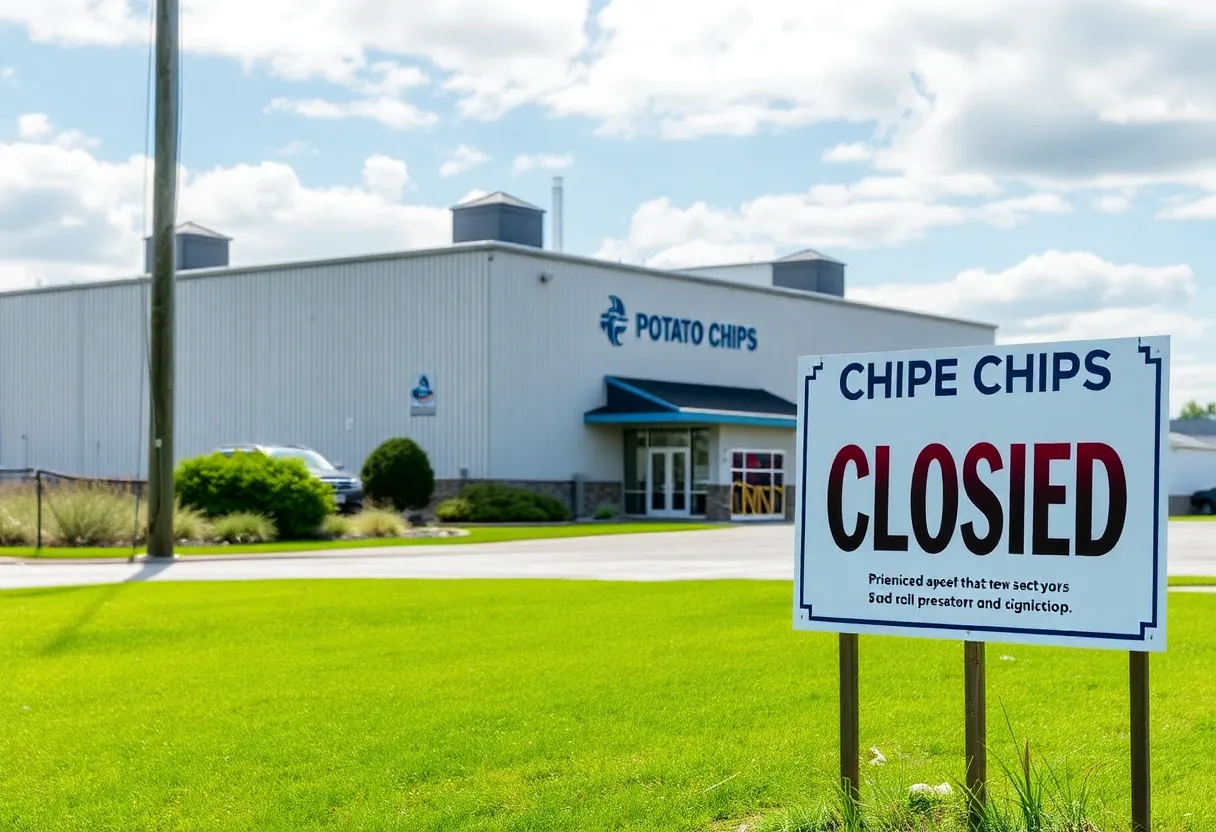
The Cape Cod Potato Chips facility in Hyannis, Massachusetts, will close by April 2026, impacting 49 employees. Campbell’s cited economic inefficiency as the reason, marking the end of operations at the plant that has been a local landmark since 1985. Production will be relocated to other Campbell’s facilities, while the company aims to maintain a community presence in the area.
Hyannis, Massachusetts
The iconic Cape Cod Potato Chips plant in Hyannis, Massachusetts, is slated for closure by April 2026, a decision announced by parent company Campbell’s that will result in the elimination of 49 jobs. The facility, which has been operational since 1985, is being shut down as part of Campbell’s broader strategy to enhance efficiency and optimize its snack production network, citing that the Hyannis site “no longer makes economic sense for the business”.
Operational Changes and Impact on Workforce
The closure directly impacts nearly 50 employees who will lose their positions when operations cease this spring. Campbell’s stated its commitment to supporting the affected workers by providing separation benefits and job placement assistance. The Hyannis plant, in addition to Cape Cod Potato Chips, also produces Kettle Brand chips.
The company indicated that the Hyannis facility is its smallest potato chip plant in terms of size and volume, contributing only about 4% of the total annual volume of Cape Cod chips. Production of Cape Cod chips will be transitioned to other existing Campbell’s Snacks facilities located in Beloit, Wisconsin; Charlotte, North Carolina; and Hanover, Pennsylvania, which are considered more modern and efficient. This consolidation aims to create a more agile and flexible manufacturing network for the company’s snacks division.
Company Background and Strategic Moves
Campbell’s acquired the Cape Cod Potato Chips brand as part of its nearly $5 billion purchase of Snyder’s-Lance, Inc. in 2018. Snyder’s-Lance itself was formed through a merger in 2010, after Lance Inc. had acquired Cape Cod from its founder in 1999. The brand, founded in Hyannis in 1980, has a rich history, with the plant becoming a local landmark and a symbol of the region.
The decision to close the Hyannis plant aligns with Campbell’s strategic business needs to strengthen its operations and position its Snacks business for long-term growth. Over the years, as the Cape Cod brand has expanded, Campbell’s has gradually increased production at its other snack locations. The company aims to maintain the tradition of using high-quality ingredients for its chips despite the shift in production location.
Community Reaction and Future Presence
The announcement has elicited concern within the local community, with groups like the Massachusetts Fiscal Alliance suggesting that the closure indicates the state’s economic policies might be deterring manufacturing jobs.
Despite the plant closure, Campbell’s has expressed its intention to maintain a community presence in the region. This includes honoring the brand’s heritage and continuing local investment through community partnerships and support for culinary programs that foster food innovation on Cape Cod.
The Hyannis plant has been a significant part of the local economy and identity for over four decades. Its closure marks the end of an era for chip production on Cape Cod, though the beloved potato chips will continue to be available to consumers nationwide.
Frequently Asked Questions
Which iconic potato chip plant is closing?
The iconic Cape Cod Potato Chips plant in Hyannis, Massachusetts, is closing.
How many jobs will be eliminated due to the plant closure?
The closure will result in the elimination of 49 jobs.
When will the Cape Cod Potato Chips plant in Hyannis cease operations?
Operations at the Hyannis plant are expected to cease in April 2026.
Who owns the Cape Cod Potato Chips brand?
The Cape Cod Potato Chips brand is owned by Campbell’s.
What is the primary reason for the plant’s closure?
The primary reason for the plant’s closure is that it “no longer makes economic sense for the business” and is part of Campbell’s strategy to strengthen operations and position its Snacks business for long-term growth.
Where will Cape Cod Potato Chips be produced after the Hyannis plant closes?
Cape Cod chips will continue to be produced at other existing Campbell’s plants in Beloit, Wisconsin; Charlotte, North Carolina; and Hanover, Pennsylvania.
When did Campbell’s acquire the Cape Cod Potato Chips brand?
Campbell’s acquired the Cape Cod Potato Chips brand through its 2018 acquisition of Snyder’s-Lance, Inc.
Key Features of the Plant Closure
| Feature | Details | Scope |
|---|---|---|
| Location of Closure | Hyannis, Massachusetts | State-level |
| Brand Affected | Cape Cod Potato Chips, Kettle Brand chips | Nationwide |
| Parent Company | Campbell’s | Nationwide |
| Jobs Eliminated | 49 employees | State-level |
| Effective Closure Date | April 2026 | State-level |
| Primary Reason for Closure | Economic inefficiency; part of network optimization | Nationwide |
| New Production Locations | Beloit, Wisconsin; Charlotte, North Carolina; Hanover, Pennsylvania | Nationwide |
| Acquisition Year by Campbell’s | 2018 (of Snyder’s-Lance, Inc.) | Nationwide |
| Plant Operation Start Year | 1985 | State-level |
Deeper Dive: News & Info About This Topic
HERE Resources

Author: HERE Charlotte
The CHARLOTTE STAFF WRITER represents the experienced team at HERECharlotte.com, your go-to source for actionable local news and information in Charlotte, Mecklenburg County, and beyond. Specializing in "news you can use," we cover essential topics like product reviews for personal and business needs, local business directories, politics, real estate trends, neighborhood insights, and state news affecting the area—with deep expertise drawn from years of dedicated reporting and strong community input, including local press releases and business updates. We deliver top reporting on high-value events such as Lovin' Life Music Festival, Charlotte Pride festival, and major sporting tournaments at Bank of America Stadium. Our coverage extends to key organizations like the Charlotte Regional Business Alliance and Foundation for the Carolinas, plus leading businesses in finance and entertainment that power the local economy such as Bank of America and NASCAR. As part of the broader HERE network, including HEREAsheville.com, HEREGreensboro.com, HERERaleigh.com, and HEREOBX.com, we provide comprehensive, credible insights into North Carolina's dynamic landscape.