
West Charlotte, February 5, 2026
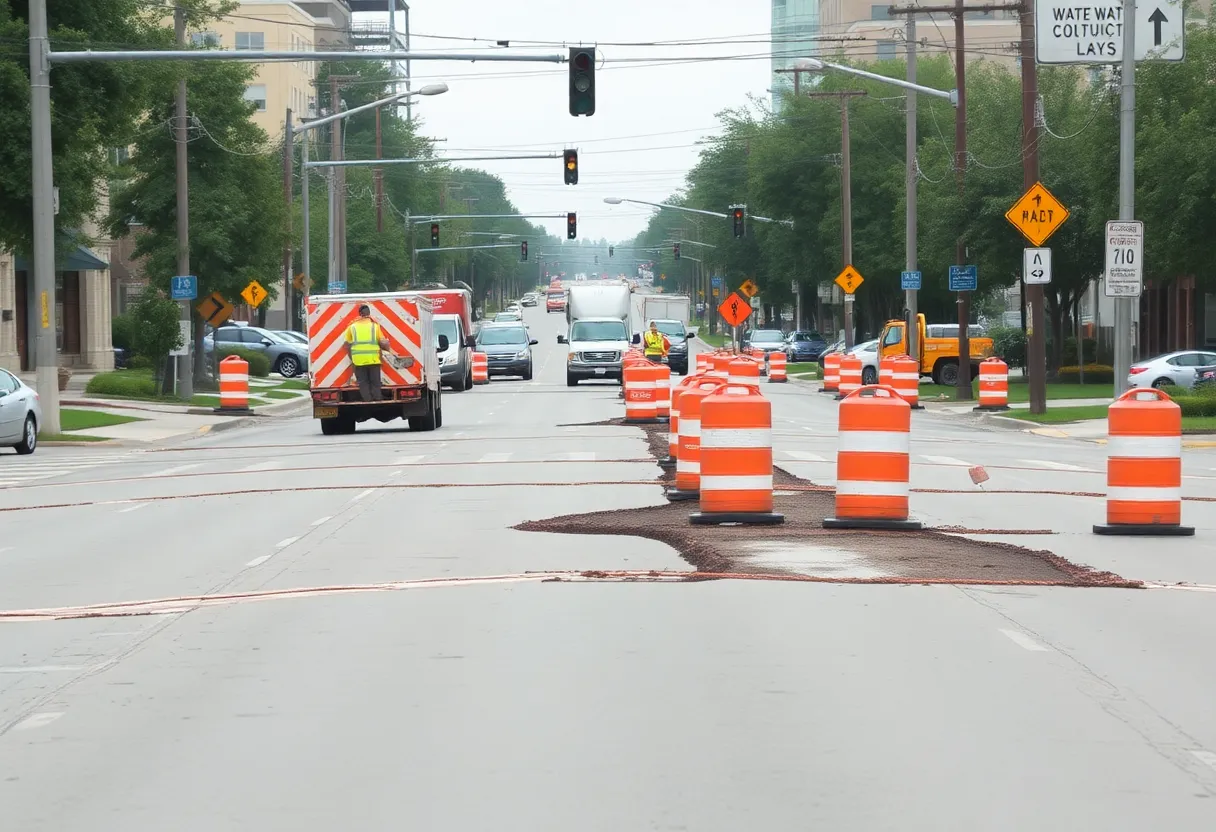
West Charlotte is facing significant road disruptions due to ongoing water main breaks, resulting in extensive damage. Local crews are actively patching the affected roads while city officials recommend alternative routes to ease traffic congestion. The impact is felt by the community, including local businesses, as severe weather conditions have exacerbated the situation. The proactive traffic management strategies aim to ensure public mobility and safety amid these infrastructure challenges.
Charlotte
Persistent Water Main Breaks Disrupt West Charlotte Roads, Prompting Patching and Alternative Routes
West Charlotte is currently grappling with significant disruption stemming from a series of ongoing water main breaks. These ruptures have led to extensive damage on several roads, necessitating continuous and intensive patching efforts by local crews. The latest updates, provided approximately 11 hours ago from an initial report on February 4, 2026, at 5:44 PM, indicate that these repair operations are still underway. Consequently, city officials have been compelled to implement and strongly recommend alternative routes for motorists to safely navigate the affected areas, aiming to alleviate traffic congestion and ensure public mobility.
Immediate Challenges and Repair Operations
The immediate and most visible consequence of these water main ruptures is the compromised state of numerous roadways across west Charlotte. Repair crews have been working diligently to address these issues, focusing on patching damaged road surfaces and restoring their structural integrity. The ongoing repairs are paramount not only for maintaining essential infrastructure but also for safeguarding public safety. Beyond the physical damage to roads, the broader community has felt the impact. A recent severe weather event, specifically a snowstorm, contributed to an “icy impact” that created considerable operational difficulties for local businesses. At least one business owner explicitly stated they “had to close” as a direct result of these challenging conditions, indicating a ripple effect on local commerce and daily life, potentially exacerbated by the water-related infrastructure failures or the harsh environmental factors that contributed to them.
The continuous efforts to mend the breaks and repair the roads underscore the critical nature of these services. Without swift intervention, damaged infrastructure can lead to prolonged inconvenience, hinder emergency services, and pose significant hazards to pedestrians and drivers alike. The current scale of patching operations suggests a concentrated effort to restore normalcy as quickly as possible for the affected neighborhoods in west Charlotte.
Mitigating Traffic Congestion with Alternative Routes
To counteract the challenges posed by road closures and active repair zones, city authorities have strategically introduced and widely publicized several alternative routes throughout west Charlotte. These rerouting strategies are pivotal in managing traffic flow, minimizing delays, and reducing the overall inconvenience for the thousands of residents and commuters who traverse these parts of the city each day. The practice of employing alternative routes during significant urban disruptions is a well-established and effective traffic management solution. A historical precedent can be found in a feasibility study conducted in May 2002 for the proposed Charlotte Multi-Modal Station. During this study, the potential vacation of certain streets, including 7th, 8th, and 9th Streets west of Smith Street, was considered. The study explicitly recognized that the successful management of traffic in such a scenario would heavily rely on the effective utilization of alternate routes to absorb the displaced traffic. This historical context highlights the importance of such contingency planning and the proactive approach taken by Charlotte’s urban planners in addressing potential traffic bottlenecks and maintaining city functionality even during major infrastructural changes or unexpected events.
The current implementation of these alternative routes demonstrates the city’s commitment to ensuring continuous movement and access for its citizens, even when faced with unforeseen infrastructure challenges. Clear signage and public advisories are vital components of this strategy, guiding motorists away from hazardous areas and towards less congested pathways.
Background and Context of Infrastructure Resilience
The repeated occurrence of water main breaks, particularly when coinciding with or following adverse weather conditions, serves as a stark reminder of the persistent need for robust and well-maintained urban infrastructure. While the immediate priority remains the ongoing repairs in west Charlotte, such incidents frequently lead to broader community and municipal discussions concerning the overall resilience and regular maintenance schedules of the city’s vital water systems. The “icy impact” of recent snowstorms, for instance, is a known factor that can significantly increase stress on underground piping networks. The freezing and subsequent expansion of water within or around pipes can cause ruptures, leading to the types of breaks currently being experienced. Although specific, detailed causes for each individual break in the current series have not been explicitly provided, it is widely understood that environmental stressors play a substantial role in the degradation and failure of older infrastructure.
Ensuring the long-term longevity and dependable reliability of public infrastructure is a continuous, multifaceted process that encompasses both responsive repairs to immediate failures and comprehensive, proactive planning for future resilience. The ability of the community and city services to adapt effectively through established measures, such as the rapid deployment of repair crews and the clear communication of alternative routes, is fundamental in mitigating the overall impact of such unforeseen infrastructure challenges on daily life and economic activity. Charlotte’s history of urban development includes strategic considerations for optimizing various aspects of city functionality, including transportation and utility networks. The current situation in west Charlotte underscores the dynamic nature of urban infrastructure management, where responsiveness and preparedness are key to navigating and overcoming challenges posed by aging systems and environmental factors.
Frequently Asked Questions
- What is causing disruption in west Charlotte?
West Charlotte is experiencing significant disruption due to ongoing water main breaks that have led to extensive road damage. - What is the current status of the road repairs in west Charlotte?
Repair crews are actively engaged in patching operations to address the structural integrity of the roads compromised by the breaks. These operations were updated approximately 11 hours ago from an initial report on February 4, 2026, at 5:44 PM, and are still underway. - How are businesses in west Charlotte being affected?
The recent severe weather, particularly a snowstorm, had an “icy impact” that led to operational difficulties for local establishments, with at least one business owner stating they “had to close.” - What measures are being taken to manage traffic in the affected areas?
City officials have implemented and recommend alternative routes for motorists to navigate the affected areas, aiming to alleviate traffic congestion and ensure public mobility. - Has Charlotte used alternative routes for traffic management in the past?
Yes, during a feasibility study for the Charlotte Multi-Modal Station in May 2002, the potential vacation of certain streets (7th, 8th, and 9th Streets west of Smith Street) was considered, with the explicit understanding that alternate routes would be crucial to handle displaced traffic. - What environmental factors might contribute to water main breaks?
The “icy impact” of recent snowstorms is a known factor that can significantly increase stress on underground piping networks, causing ruptures as water freezes and expands.
Key Features: West Charlotte Water Main Breaks
| Feature | Description |
|---|---|
| Location | West Charlotte |
| Issue | Persistent Water Main Breaks |
| Current Status | Roads still being patched, alternative routes added |
| Date of Latest Update | February 4, 2026, 5:44 PM (updated 11 hours ago) |
| Contributing Factors | Icy impact from recent snowstorm |
| Traffic Mitigation | Implementation of alternative routes |
Deeper Dive: News & Info About This Topic
HERE Resources
Water Main Break Disrupts Uptown Charlotte Businesses
Significant Water Main Break Disrupts Traffic in West Charlotte
Traffic Safety Trends Show Mixed Results Across the Carolinas
Icy Conditions Cause Water Main Breaks and Road Closures in Charlotte
Charlotte Grapples with Recent Brewery Fallout and Data Breach
Arrest Made in Deadly South Charlotte Crash
Father and Son Sentenced for Drug Trafficking from Prison
Charlotte Disrupted by Science Museum Closure and Airport Delays
Mooresville Planning Board Denies Housing Developments
SouthPark Restaurant Closes After Seven Years of Operation

Author: HERE Charlotte
The CHARLOTTE STAFF WRITER represents the experienced team at HERECharlotte.com, your go-to source for actionable local news and information in Charlotte, Mecklenburg County, and beyond. Specializing in "news you can use," we cover essential topics like product reviews for personal and business needs, local business directories, politics, real estate trends, neighborhood insights, and state news affecting the area—with deep expertise drawn from years of dedicated reporting and strong community input, including local press releases and business updates. We deliver top reporting on high-value events such as Lovin' Life Music Festival, Charlotte Pride festival, and major sporting tournaments at Bank of America Stadium. Our coverage extends to key organizations like the Charlotte Regional Business Alliance and Foundation for the Carolinas, plus leading businesses in finance and entertainment that power the local economy such as Bank of America and NASCAR. As part of the broader HERE network, including HEREAsheville.com, HEREGreensboro.com, HERERaleigh.com, and HEREOBX.com, we provide comprehensive, credible insights into North Carolina's dynamic landscape.