
Charlotte, February 6, 2026
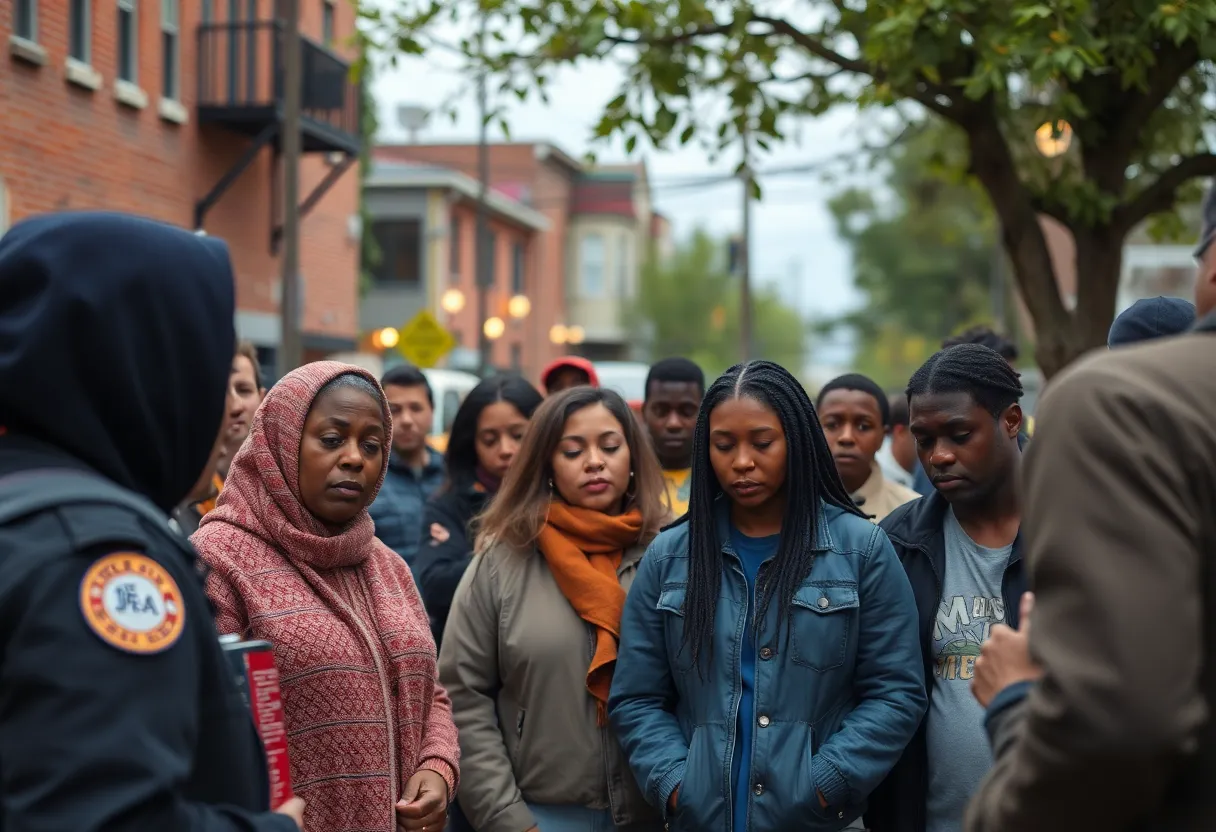
Charlotte is considering significant changes to its street vending regulations, focusing on integrating the entrepreneurial spirit of street vendors while addressing public safety and urban organization. The proposed regulations aim to provide a structured environment for small businesses, ensuring they can thrive within the community. Key considerations include the outcome of a pilot program in NoDa, which highlighted challenges like congestion and safety. The city seeks to balance these concerns with the vibrancy that vendors bring to neighborhoods, creating a supportive economic framework that benefits all.
Charlotte Weighs New Vending Rules: Balancing Opportunity and Order
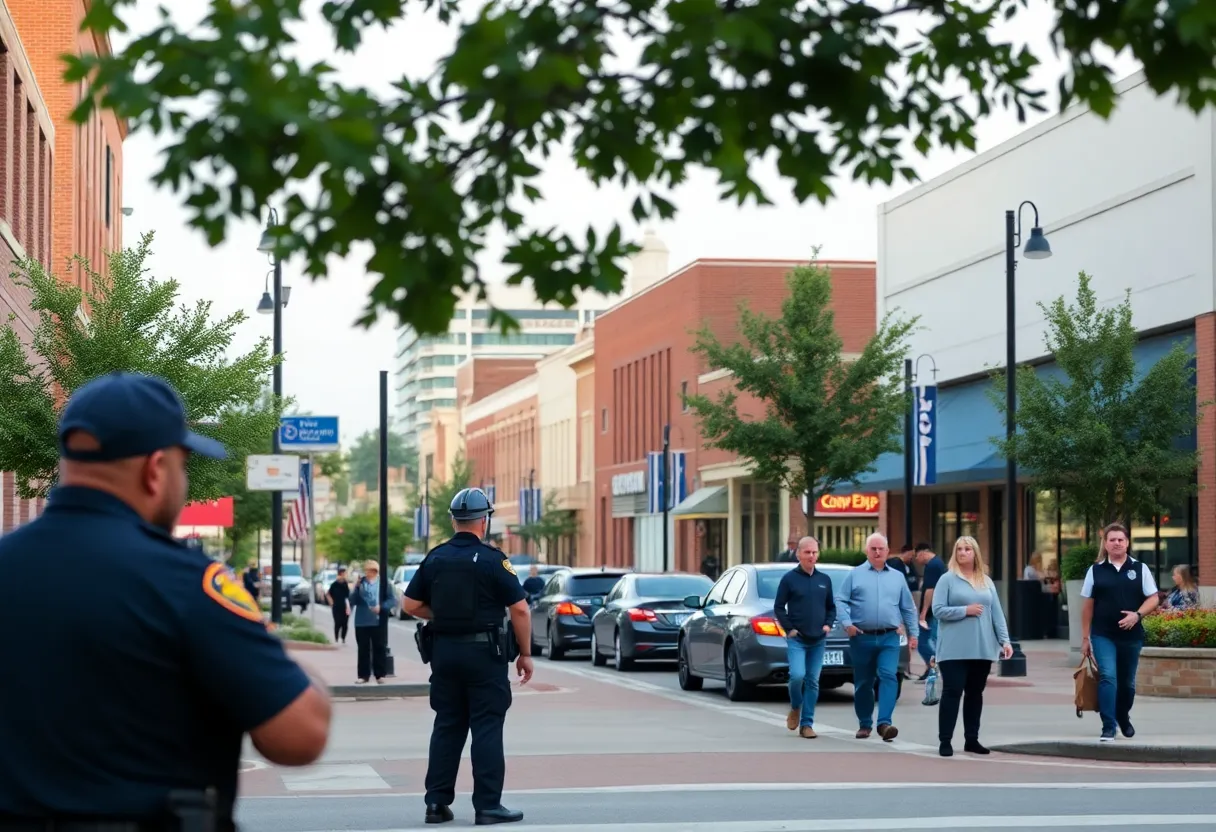
Charlotte is at a pivotal moment, contemplating significant changes to its street vending regulations. The discussion centers on how to best integrate the vibrant entrepreneurial spirit of street vendors with the city’s need for public safety and clear, organized urban spaces. This initiative reflects a broader effort to ensure Charlotte’s economic growth benefits all its citizens while maintaining the charm and accessibility of its neighborhoods.
The city’s approach seeks to foster a predictable and fair environment for all businesses, from established brick-and-mortar stores to emerging street-level enterprises. Striking the right balance is crucial for sustaining a dynamic local economy where small business resilience and innovation can thrive under clear guidelines, contributing positively to community insights and economic growth without undue burdens.
The Evolving Landscape of Street Vending in Charlotte
Charlotte city leaders are considering implementing citywide regulations and increased penalties for street vending. This follows a pilot program in the NoDa neighborhood, which provided insights into the challenges and opportunities associated with street vending. The program concluded on February 15, 2026, leading to NoDa being treated as a congested business district where vending is generally not permitted without specific authorization, similar to Uptown. Currently, street vending is allowed in Charlotte outside of what is known as the Congested Business District, which largely encompasses Uptown, where vendors can apply for permits. Other areas like Plaza Midwood and South End currently have no specific regulations for street vending.
The NoDa pilot program, which started in September, allowed 14 vendors to operate with city permits in three approved locations. While it aimed to bring more structure to street vending, it ultimately revealed significant challenges, particularly concerning narrow sidewalks, safety, and congestion. City staff recommended that NoDa’s streets remain designated as a Congested Business District and that broader citywide street vending regulations be implemented.
Fostering Entrepreneurial Innovation
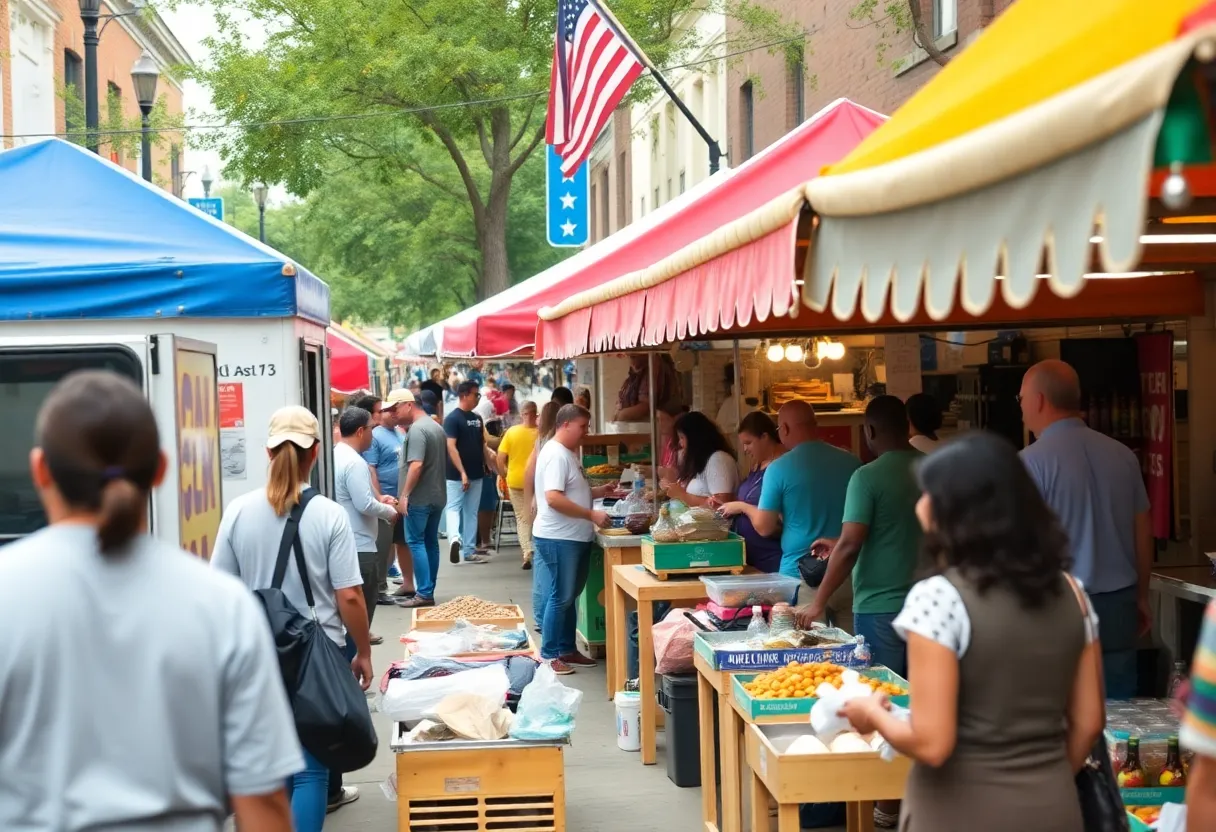
Street vendors are a testament to North Carolina entrepreneurs’ determination and innovation. These small businesses often represent accessible entry points for individuals to start their ventures, contributing to Charlotte’s diverse economic fabric. Charlotte is home to over 80,000 small businesses, which collectively employ nearly half of the city’s private workforce and generate substantial tax revenue, supporting public infrastructure and services.
The entrepreneurial landscape in Charlotte is enriched by a variety of businesses, including those owned by minorities, women, and veterans. Supporting these businesses directly promotes economic equity and empowers historically underrepresented groups, highlighting the importance of every Charlotte small business.
Community Impact and Economic Growth
Street vendors contribute to the charm and vibrancy of a neighborhood when appropriate infrastructure is in place. They offer unique products and services that can enhance local culture and attract visitors, boosting economic growth. However, concerns have been raised by some brick-and-mortar businesses regarding sidewalk congestion and obstructed storefronts due to unregulated vending.
The city’s discussions aim to balance these contributions with the need to address concerns related to public safety and congestion, ensuring that vending enhances rather than detracts from the overall community experience. Every dollar spent at a local small business has a significant impact, with approximately $68 of every $100 staying within the local economy, benefiting schools, parks, and essential services.
The Role of Thoughtful Regulation
The proposed changes for Charlotte could include restricting street vending in public rights-of-way across the city, with specific exceptions for city-authorized programs, festivals, and youth vendors. Stronger enforcement tools are also being considered, potentially including a Class III misdemeanor for illegal vending to address repeat offenders.
While the regulatory landscape can seem complex for small business owners, well-designed regulations can significantly benefit businesses. Compliance can lead to reduced risk, lower costs, increased operational efficiency, and an enhanced reputation. By streamlining processes and setting clear standards, businesses can operate more smoothly and confidently, allowing them to focus on growth and innovation.
A streamlined compliance system can encourage competition from new firms and invigorate innovation and economic growth. New and smaller businesses often feel the effects of confusing or poorly designed processes more acutely due to having fewer resources for compliance.
Charting a Course for Charlotte’s Business Future
The goal is not to eliminate vendors but to integrate them in a structured way that supports both their entrepreneurial endeavors and the needs of the wider community. City leaders have expressed a desire to balance the concerns of small businesses regarding congestion with fostering an environment where all businesses can succeed.
As Charlotte NC business leaders and city officials continue these discussions, the focus remains on creating a supportive framework that champions individual achievement and small-business resilience while ensuring public order and safety. This approach aims to protect the vibrancy that vendors bring, while providing clarity and fairness for all involved in the local economy.
Conclusion
Charlotte’s consideration of new citywide regulations for street vending marks a significant step towards shaping the city’s future economic landscape. By carefully crafting policies that balance entrepreneurial opportunity with community needs and public safety, Charlotte can continue to cultivate an environment where Charlotte small business owners thrive. This thoughtful approach ensures that North Carolina entrepreneurs have clear pathways to success, fostering sustained economic growth and rich community insights across the city.
We encourage our readers to stay informed and engaged in these important conversations, and most importantly, to continue supporting the diverse array of local businesses that make Charlotte such a unique and vibrant place to live and work.
Frequently Asked Questions About Charlotte’s Street Vending Regulations
- What changes are Charlotte considering for street vending?
- Charlotte city leaders are considering implementing citywide regulations and increased penalties for street vending, which may include restricting vending in public rights-of-way with exceptions for authorized programs, festivals, and youth vendors.
- Why is Charlotte considering new street vending regulations?
- The city is considering new regulations to address concerns about public safety, sidewalk congestion, and competition with brick-and-mortar businesses, aiming to bring more structure to street vending.
- What was the outcome of the NoDa street vending pilot program?
- The NoDa pilot program, which concluded on February 15, 2026, provided useful insights but highlighted challenges such as narrow sidewalks, congestion, and difficulty with enforcement. City staff recommended ending the pilot and implementing broader citywide regulations.
- How do street vendors contribute to Charlotte’s economy?
- Street vendors embody entrepreneurial innovation and provide accessible entry points for new businesses. They contribute to Charlotte’s diverse economic fabric, enhance neighborhood vibrancy, and support job creation as part of the more than 80,000 small businesses in the city.
- Can streamlined regulations benefit small businesses?
- Yes, well-designed regulations and streamlined compliance systems can benefit small businesses by reducing risk, lowering costs, enhancing operational efficiency, improving reputation, and encouraging competition and innovation.
Key Features of Charlotte’s Proposed Street Vending Regulations
| Feature | Description | Impact |
|---|---|---|
| Citywide Regulations | Proposed restrictions on street vending in public rights-of-way across Charlotte. | Aims for consistent application of rules throughout the city, providing a clearer framework for all. |
| Increased Penalties | Consideration of stronger enforcement tools, including a potential Class III misdemeanor for illegal vending for repeat offenders. | Intends to deter non-compliance and ensure greater adherence to new rules, enhancing public order. |
| Exceptions for Authorized Programs | Proposals include exceptions for city-authorized programs, festivals, and youth vendors. | Seeks to maintain opportunities for special events and youth entrepreneurship while managing general vending. |
| NoDa Pilot Program Conclusion | The NoDa Street Market Pilot Program ended on February 15, 2026, with the neighborhood reverting to a Congested Business District status for vending. | Reflects insights gained from a six-month test, leading to targeted decisions based on specific neighborhood challenges. |
| Focus on Safety and Congestion | Key criteria for where vending is allowed will continue to be congestion and public safety, particularly given concerns about narrow sidewalks in areas like NoDa. | Prioritizes pedestrian flow and safety, addressing concerns raised by both residents and brick-and-mortar businesses. |
Deeper Dive: News & Info About This Topic
HERE Resources
Charlotte Officials to Testify on Public Safety and Transit Issues
Operation Safe Season Launched to Combat Uptown Crime
CMPD Launches New Safety Initiatives in Uptown Charlotte

Author: HERE Charlotte
The CHARLOTTE STAFF WRITER represents the experienced team at HERECharlotte.com, your go-to source for actionable local news and information in Charlotte, Mecklenburg County, and beyond. Specializing in "news you can use," we cover essential topics like product reviews for personal and business needs, local business directories, politics, real estate trends, neighborhood insights, and state news affecting the area—with deep expertise drawn from years of dedicated reporting and strong community input, including local press releases and business updates. We deliver top reporting on high-value events such as Lovin' Life Music Festival, Charlotte Pride festival, and major sporting tournaments at Bank of America Stadium. Our coverage extends to key organizations like the Charlotte Regional Business Alliance and Foundation for the Carolinas, plus leading businesses in finance and entertainment that power the local economy such as Bank of America and NASCAR. As part of the broader HERE network, including HEREAsheville.com, HEREGreensboro.com, HERERaleigh.com, and HEREOBX.com, we provide comprehensive, credible insights into North Carolina's dynamic landscape.