
Fayetteville, February 6, 2026
Fayetteville’s culinary scene is witnessing significant growth, with over 50 new restaurants and food trucks opening recently. This dynamic development showcases the resilience of local entrepreneurs and the evolving economic landscape beneficial for North Carolina, particularly informing initiatives in Charlotte. The rise in full-service establishments reflects a post-pandemic renaissance and offers lessons in innovation and community support essential for sustainable growth.
Fayetteville’s Evolving Culinary Scene Offers Insights for North Carolina Entrepreneurs
Recent restaurant openings and closures in Fayetteville highlight the dynamic landscape of North Carolina’s small business environment, offering valuable lessons for Charlotte’s economic growth.
Fayetteville, North Carolina, has recently experienced a vibrant period of economic activity, particularly within its culinary sector, demonstrating the powerful ebb and flow characteristic of entrepreneurial ventures. This bustling environment serves as a compelling case study for observing the determination of local entrepreneurs and the broader implications for economic development across the state, including the dynamic landscape of Charlotte NC business. The readiness of small businesses to innovate and adapt, coupled with a supportive community and a responsive economic climate, are critical ingredients for sustainable growth, impacting everything from local job creation to the overall vitality of North Carolina entrepreneurs. The state’s hospitality industry has seen a post-pandemic resurgence, with an increase of approximately 200,000 employees since 2020, and restaurants are the leading source of revenue for the industry.
The constant evolution of the market underscores the resilience required to thrive. While some businesses face inevitable challenges, the overall trend often points towards persistent innovation and new opportunities. This ongoing transformation in Fayetteville provides valuable insights into how various factors, from consumer demand to investment interest, shape local economies and contribute to the broader Midlands economic growth picture. In 2023, North Carolina opened nearly 600 new full-service food businesses, reflecting a 3% growth over 2022 openings.
A Dynamic Culinary Landscape in Fayetteville
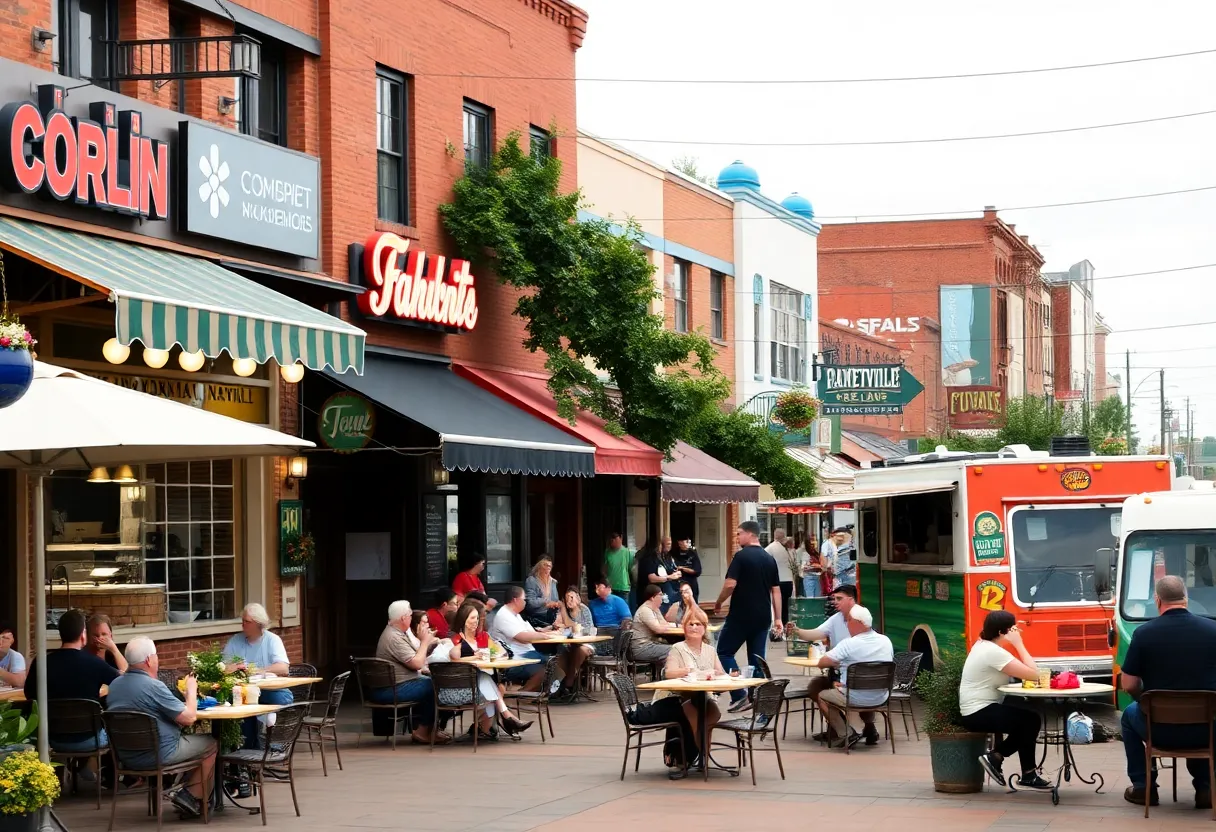
The Fayetteville area proved its vibrant food scene in 2025, with more than 50 new restaurants or food trucks opening there. This surge in new establishments reflects a strong entrepreneurial spirit and a willingness to invest in the local economy. From diverse cuisines to innovative dining concepts, these new ventures contribute significantly to the cultural fabric and economic activity of the region, embodying the essence of Charlotte small business ambition on a regional scale. The market size of the Single Location Full-Service Restaurants industry in North Carolina has been growing at an average annual rate of 10.4% from 2020 to 2025, with 5,520 businesses in this industry in North Carolina.
However, the competitive nature of the restaurant industry also means that not all ventures succeed. A chain, which had only recently opened in Fayetteville, closed its doors. This illustrates the inherent risks and rapid market adjustments that are a natural part of a free-market economy, where businesses must constantly adapt to consumer preferences and operational demands.
Navigating Challenges and Celebrating Resilience
Even established businesses can encounter significant obstacles. The closure of Friends Table in Fayetteville, for instance, was accompanied by claims of unpaid rent and workers. Such instances highlight the importance of sound business practices and the legal frameworks that protect both business owners and employees within the North Carolina entrepreneurs ecosystem. While these cases present difficulties, they often serve as reminders of the challenges inherent in running a business and the importance of financial prudence and operational excellence.
Despite these individual setbacks, the broader trend in Fayetteville points to an optimistic outlook, with many businesses demonstrating remarkable resilience. The continuous stream of new openings underscores a fundamental belief in growth and opportunity, fostering a competitive yet innovative environment that drives economic progress for the region and offers lessons for Charlotte NC business development.
Major Brands See Potential in North Carolina
The growing appeal of North Carolina as a prime location for business expansion is further evidenced by the interest from larger national brands. Whataburger, an iconic Texas-based burger chain, has submitted plans to Fayetteville’s Technical Review for a new location. This development signals confidence in the region’s economic potential and consumer base. Whataburger is projected to open in three North Carolina cities in 2026. This statewide expansion is a testament to North Carolina’s favorable business climate and expanding market, which ultimately benefits communities statewide, including opportunities for Midlands economic growth and indirectly strengthening the environment for Charlotte small business. Fayetteville’s tourism economy delivered a record-breaking performance in 2025, with visitor spending surging to $698 million, creating nearly 4,800 jobs, and generating $47.32 million in tax revenue.
The arrival of such recognizable brands often brings increased consumer traffic, creates new job opportunities, and can stimulate further investment in surrounding areas, reinforcing the economic foundations for existing local businesses and new ventures alike. Charlotte’s dining scene has seen a sharp rise in bookings and media attention since the MICHELIN Guide’s debut, with visitor spending reaching $36.7 billion in North Carolina in 2024, a 3.1% increase over the previous year.
Community Foundations and Enduring Legacies
Fayetteville’s economic story also includes deep historical roots and ongoing community development. The city’s Coca-Cola bottling plant, for example, first opened its doors in 1909 under the ownership of Charles D. Hutaff. Such long-standing businesses demonstrate the stability and enduring impact that well-managed enterprises can have over generations, contributing to consistent employment and local identity. This legacy serves as a reminder that long-term business success is often built on strong community ties and a sustained commitment to quality and service. Fayetteville has experienced a 21.2% per-capita GDP growth over the past decade.
Beyond commercial ventures, investments in community infrastructure are vital. Montclair Neighborhood School Park opened in Fayetteville in April 2022, providing a new recreational space for residents. These types of community projects enhance the quality of life, making areas more attractive for both families and businesses, thereby supporting overall economic health and creating a more robust environment for North Carolina entrepreneurs.
Lessons for Charlotte’s Economic Future
The experiences in Fayetteville offer pertinent insights for Charlotte and other rapidly growing areas across North Carolina. The balance between allowing new businesses to emerge freely and providing a stable, predictable environment is crucial. An economic landscape that minimizes unnecessary bureaucratic hurdles can empower Charlotte NC business owners and North Carolina entrepreneurs to innovate and expand, driving job creation and local prosperity. The dynamic interplay of new ventures, market adjustments, and community investment seen in Fayetteville reflects a broader narrative of economic resilience and growth that resonates throughout the state. Charlotte itself has experienced record-breaking growth with over 7,000 jobs and $1.4 billion of potential investment. The city of Charlotte is actively supporting local entrepreneurs through initiatives like the “31 Days of Biz” campaign and the Charlotte Small Business Growth Fund, which aims to invest $40 million in about 2,000 local businesses over the next four years, focusing on underserved small businesses. There are over 1 million small businesses in North Carolina, and they employ more people than larger companies.
Supporting local businesses, fostering a spirit of entrepreneurial innovation, and investing in community infrastructure are interconnected elements that contribute to robust and sustainable economic development. As Charlotte continues its impressive growth trajectory, paying attention to these dynamics can help ensure a vibrant and resilient future for its own Charlotte small business community and contribute to greater Midlands economic growth.
The economic vitality of North Carolina is a testament to the persistent spirit of its entrepreneurs and the communities that support them. By understanding the forces at play in places like Fayetteville, we can better appreciate and foster the conditions for continued prosperity throughout our state.
We encourage our readers to actively support local businesses, explore new establishments, and engage with initiatives that promote economic growth and community well-being in Charlotte and across North Carolina. Your participation is key to strengthening our shared economic future.
Frequently Asked Questions
- What is the current state of Fayetteville’s restaurant scene?
- The Fayetteville area proved its vibrant food scene in 2025, with more than 50 new restaurants or food trucks opening there.
- Has a specific chain recently closed in Fayetteville?
- Yes, a chain that had only recently opened in Fayetteville closed its doors.
- What issues were associated with the closure of Friends Table in Fayetteville?
- The closure of Friends Table in Fayetteville was accompanied by claims of unpaid rent and workers.
- Is Whataburger opening in Fayetteville?
- Whataburger, an iconic Texas-based burger chain, has submitted plans to Fayetteville’s Technical Review for a new location.
- How many North Carolina cities are projected to get a Whataburger?
- Whataburger is projected to open in three North Carolina cities in 2026.
- When did Fayetteville’s Coca-Cola bottling plant first open?
- Fayetteville’s Coca-Cola bottling plant first opened its doors in 1909 under the ownership of Charles D. Hutaff.
- When did Montclair Neighborhood School Park open in Fayetteville?
- Montclair Neighborhood School Park opened in Fayetteville in April 2022.
- What has been the per-capita GDP growth in Fayetteville over the past decade?
- Fayetteville has experienced a 21.2% per-capita GDP growth over the past decade.
- How many new full-service food businesses opened in North Carolina in 2023?
- In 2023, North Carolina opened nearly 600 new full-service food businesses, reflecting a 3% growth over 2022 openings.
- What is the estimated number of small businesses in North Carolina?
- There are over 1 million small businesses in North Carolina, and they employ more people than larger companies.
- What was visitor spending in North Carolina in 2024?
- Visitor spending reached $36.7 billion in North Carolina in 2024, a 3.1% increase over the previous year.
Key Business Dynamics in Fayetteville and North Carolina
| Aspect | Details | Geographic Scope |
|---|---|---|
| New Restaurants Opened in Fayetteville (2025) | Over 50 new restaurants or food trucks opened. | Fayetteville area |
| Recent Chain Closure | A recently opened chain closed. | Fayetteville |
| Friends Table Closure Issues | Claims of unpaid rent and workers. | Fayetteville |
| Whataburger Plans in Fayetteville | Submitted plans to Fayetteville’s Technical Review. | Fayetteville |
| Whataburger State Expansion | Projected to open in three North Carolina cities in 2026. | State-level |
| Coca-Cola Plant Opening | Opened in 1909 under Charles D. Hutaff’s ownership. | Fayetteville |
| Montclair Neighborhood School Park Opening | Opened in April 2022. | Fayetteville |
| Fayetteville Per-Capita GDP Growth (Past Decade) | 21.2%. | Fayetteville |
| New Full-Service Food Businesses Opened in NC (2023) | Nearly 600, reflecting a 3% growth over 2022. | State-level |
| Total Small Businesses in North Carolina | Over 1 million. | State-level |
| North Carolina Visitor Spending (2024) | $36.7 billion, a 3.1% increase over the previous year. | State-level |
Deeper Dive: News & Info About This Topic
HERE Resources
Mac’s Speed Shop Expands into Raleigh’s Five Points

Author: HERE Charlotte
The CHARLOTTE STAFF WRITER represents the experienced team at HERECharlotte.com, your go-to source for actionable local news and information in Charlotte, Mecklenburg County, and beyond. Specializing in "news you can use," we cover essential topics like product reviews for personal and business needs, local business directories, politics, real estate trends, neighborhood insights, and state news affecting the area—with deep expertise drawn from years of dedicated reporting and strong community input, including local press releases and business updates. We deliver top reporting on high-value events such as Lovin' Life Music Festival, Charlotte Pride festival, and major sporting tournaments at Bank of America Stadium. Our coverage extends to key organizations like the Charlotte Regional Business Alliance and Foundation for the Carolinas, plus leading businesses in finance and entertainment that power the local economy such as Bank of America and NASCAR. As part of the broader HERE network, including HEREAsheville.com, HEREGreensboro.com, HERERaleigh.com, and HEREOBX.com, we provide comprehensive, credible insights into North Carolina's dynamic landscape.