
Charlotte, NC, February 7, 2026
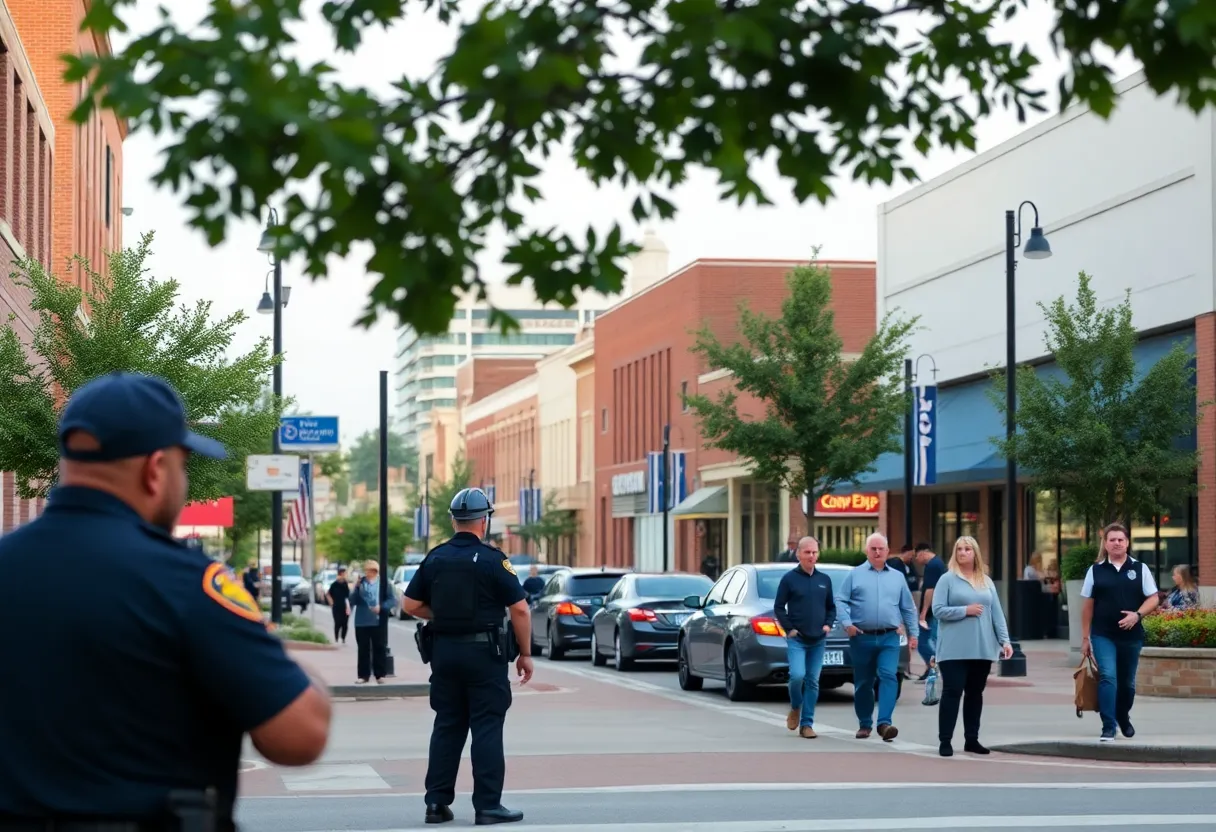
The N.C. Department of Transportation’s proposal to widen Interstate 77 by adding elevated express toll lanes in West Charlotte has ignited passionate debates among residents. While the project aims to alleviate traffic congestion and enhance regional connectivity, many locals are concerned about its potential impact on their neighborhoods. The community’s response highlights the ongoing struggle to balance urban development with preserving established homes and communities. This news captures the intersection of infrastructure needs and local sentiments in Charlotte’s rapid economic growth.
Charlotte, NC
I-77 Toll Lane Plans Spark Intense Community Debate
Charlotte’s rapid economic ascent, fueled by dynamic Charlotte NC business and innovative North Carolina entrepreneurs, often brings with it the complex challenges of growth. As our city expands, so does the demand for robust infrastructure, a critical component for maintaining a competitive edge and supporting the daily lives of its residents. However, large-scale public works projects, particularly those impacting established neighborhoods, frequently ignite passionate discussions within the community.
The latest example of this dynamic unfolds with the N.C. Department of Transportation’s (NCDOT) proposed plans for widening Interstate 77. This vital artery, crucial for commerce and commuter flow, is slated for significant changes, including new elevated express toll lanes in West Charlotte. While the intent is to alleviate congestion and enhance regional connectivity, the specifics of the design have met with considerable opposition, highlighting the delicate balance between urban development and community preservation.
Addressing Congestion: The Infrastructure Imperative
As Charlotte continues its trajectory as a leading economic hub in the Southeast, the need for efficient transportation infrastructure becomes paramount. The city’s thriving Charlotte NC business landscape relies heavily on the smooth movement of goods and people. From small businesses shipping products across the region to commuters traveling to work, a robust road network is a fundamental pillar of economic vitality. The NCDOT’s rationale for the I-77 project centers on the increasing traffic volumes and the necessity to enhance throughput on one of the region’s busiest interstates. This kind of forward-thinking investment in infrastructure is often seen as a catalyst for sustained economic growth, attracting new businesses and supporting existing ones.
Effective infrastructure planning, which sometimes includes innovative funding mechanisms like toll lanes, is often considered a pragmatic approach to managing public resources and ensuring projects are completed efficiently. By optimizing critical transportation corridors, the region aims to support future job creation and maintain its appeal to both large corporations and budding North Carolina entrepreneurs.
Unpacking the I-77 Expansion Details
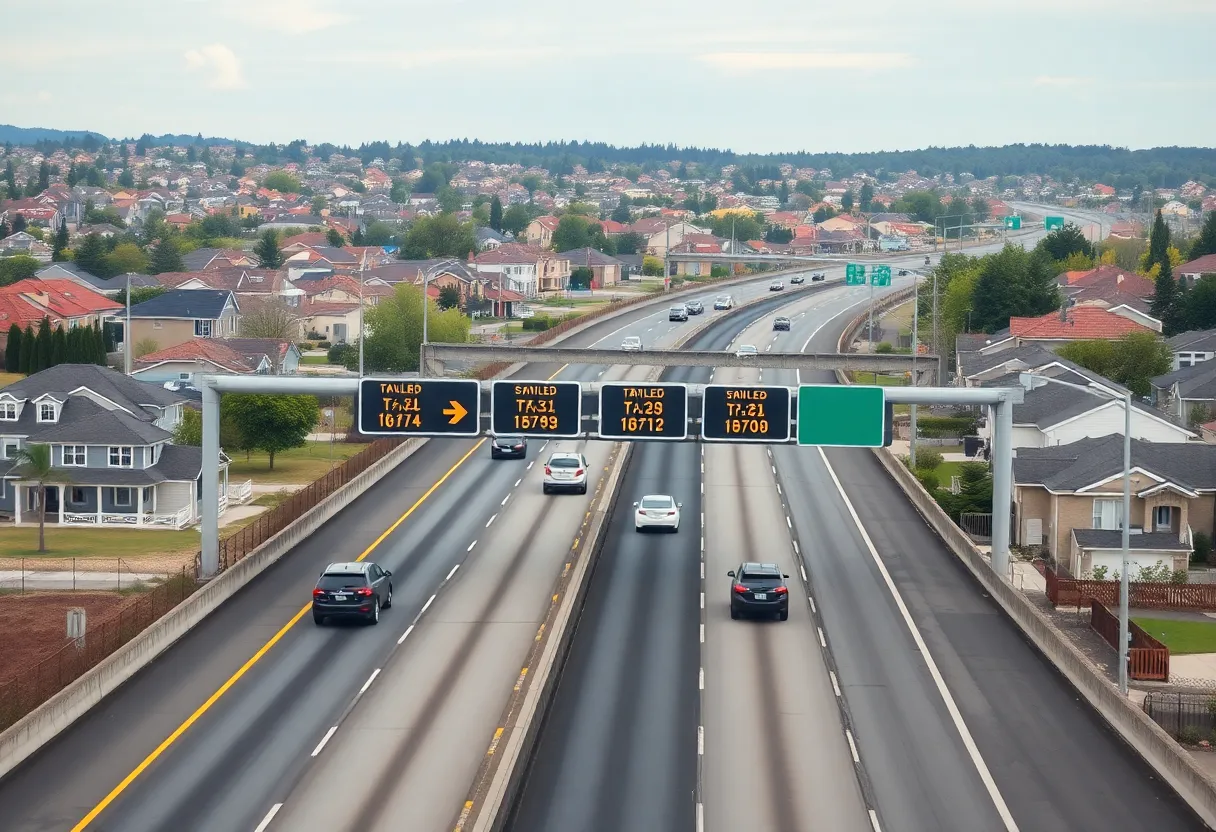
The N.C. Department of Transportation’s current plans involve the addition of elevated express toll lanes on Interstate 77 in West Charlotte. These lanes are designed to provide commuters with an option for faster travel, particularly during peak hours, by bypassing general-purpose lanes. The project is a substantial undertaking, reflecting the state’s commitment to enhancing traffic flow in a rapidly urbanizing area.
A key detail of the proposed design is that the new elevated express lanes would be constructed at the same elevation as the existing highway. This engineering choice, while potentially streamlining construction in some respects, has a direct consequence for the project’s physical footprint. By maintaining the same elevation, the project would necessitate a wider base, which in turn could impact surrounding properties and neighborhoods.
Community Voices: Concerns from West Charlotte
Despite the broader goals of traffic relief and economic enhancement, the specific design aspects of the I-77 expansion have generated significant concern among West Charlotte residents. Community members have voiced strong opposition to the NCDOT’s plans, culminating in disruptions at public meetings organized to discuss the project. This fervent response underscores the deep connection residents have to their homes and neighborhoods, and their apprehension about potential changes.
The primary concern raised by residents revolves around the projected wider footprint of the elevated express toll lanes. Because these new lanes are planned to be at the same elevation as the current highway, the expansion could impact a greater number of homes in the area. Such an impact could include property acquisition, increased noise, and alterations to the character of long-established communities. For many residents, this represents a personal cost that outweighs the perceived benefits of the new infrastructure, leading to a demand for alternative solutions that prioritize neighborhood preservation.
Balancing Progress with Preservation
The situation surrounding the I-77 expansion highlights a recurring challenge in urban development: how to balance the undeniable need for progress and economic growth with the equally important goal of preserving community integrity. For Charlotte, a city that prides itself on both its economic dynamism and its vibrant neighborhoods, finding this equilibrium is crucial. Solutions often involve transparent communication, genuine community engagement, and a willingness from all stakeholders to explore innovative approaches.
Entrepreneurial spirit extends beyond business creation; it can also be found in community advocacy, where residents mobilize to articulate their needs and propose creative alternatives. This collective engagement ensures that diverse perspectives are considered in the planning process, fostering an environment where both infrastructure improvements and neighborhood stability can coexist. Private investment in infrastructure projects, when coupled with strong community input, can sometimes lead to more efficient and responsive solutions, benefiting both the public and the local Charlotte small business ecosystem.
Charting a Course for Shared Prosperity
The ongoing dialogue about the I-77 toll lane project underscores the importance of a collaborative approach to Charlotte’s future. While the necessity of modern, efficient infrastructure for sustained economic growth is clear, the methods by which these projects are executed must also reflect the values and needs of the communities they serve. Encouraging open dialogue and seeking flexible, innovative solutions can help bridge the gap between large-scale development goals and local concerns.
As Charlotte continues to grow, the resilience of its Charlotte NC business sector and the determination of its North Carolina entrepreneurs will depend not only on robust infrastructure but also on a planning process that values community input and seeks common ground. Readers are encouraged to stay informed about local developments and actively participate in civic discussions to help shape a Charlotte that works for everyone. Supporting local businesses, which are often the first to feel the impact of both positive and negative changes, remains a vital part of building a strong and inclusive economy.
Frequently Asked Questions
What are the N.C. Department of Transportation’s plans for Interstate 77 in Charlotte?
The N.C. Department of Transportation plans to widen Interstate 77 by adding elevated express toll lanes in West Charlotte. The design proposes keeping these new lanes at the same elevation as the existing highway.
Why are West Charlotte residents concerned about the I-77 toll lane project?
West Charlotte residents are concerned because the proposed design, maintaining the express lanes at the same elevation as the existing highway, would create a wider footprint, potentially impacting a greater number of homes. Residents have expressed anger and disrupted public meetings regarding these plans.
What is the primary purpose of the Interstate 77 expansion project?
The Interstate 77 expansion project aims to address growing traffic congestion, enhance connectivity, and support the region’s economic growth and the mobility of its workforce.
Key Features of the I-77 Expansion Project
| Feature | Description | Scope |
|---|---|---|
| Project Type | Widening of Interstate 77 | State-level |
| New Lanes | Elevated express toll lanes | State-level |
| Location | West Charlotte, Interstate 77 | Local |
| Elevation of New Lanes | Same elevation as existing highway | State-level |
| Community Impact Concern | Wider footprint, potential impact on more homes | Local |
| Resident Response | Expressed anger, disrupted public meetings | Local |
| Primary Goal | Address traffic congestion, enhance connectivity, support economic growth | State-level |
Deeper Dive: News & Info About This Topic
HERE Resources
NCDOT Reveals ‘Least Impactful’ Design for I-77 South Express Lanes
I-485 Express Lanes Set to Open in Charlotte
Traffic Delays on Interstate 485 Caused by Blasting Operations
Transformative Developments Shape Charlotte’s Future
Lane Closure on U.S. 521 Ramp for I-485 Paving Work
Toll Brothers to Develop Luxury Rental Community in Charlotte
Tragic Bus Crash Claims Life of Chester County Student
Charlotteans Dream of Less Traffic by 2025
Charlotte Set for Major Road Improvements!

Author: HERE Charlotte
The CHARLOTTE STAFF WRITER represents the experienced team at HERECharlotte.com, your go-to source for actionable local news and information in Charlotte, Mecklenburg County, and beyond. Specializing in "news you can use," we cover essential topics like product reviews for personal and business needs, local business directories, politics, real estate trends, neighborhood insights, and state news affecting the area—with deep expertise drawn from years of dedicated reporting and strong community input, including local press releases and business updates. We deliver top reporting on high-value events such as Lovin' Life Music Festival, Charlotte Pride festival, and major sporting tournaments at Bank of America Stadium. Our coverage extends to key organizations like the Charlotte Regional Business Alliance and Foundation for the Carolinas, plus leading businesses in finance and entertainment that power the local economy such as Bank of America and NASCAR. As part of the broader HERE network, including HEREAsheville.com, HEREGreensboro.com, HERERaleigh.com, and HEREOBX.com, we provide comprehensive, credible insights into North Carolina's dynamic landscape.