

Charlotte, NC, February 15, 2026
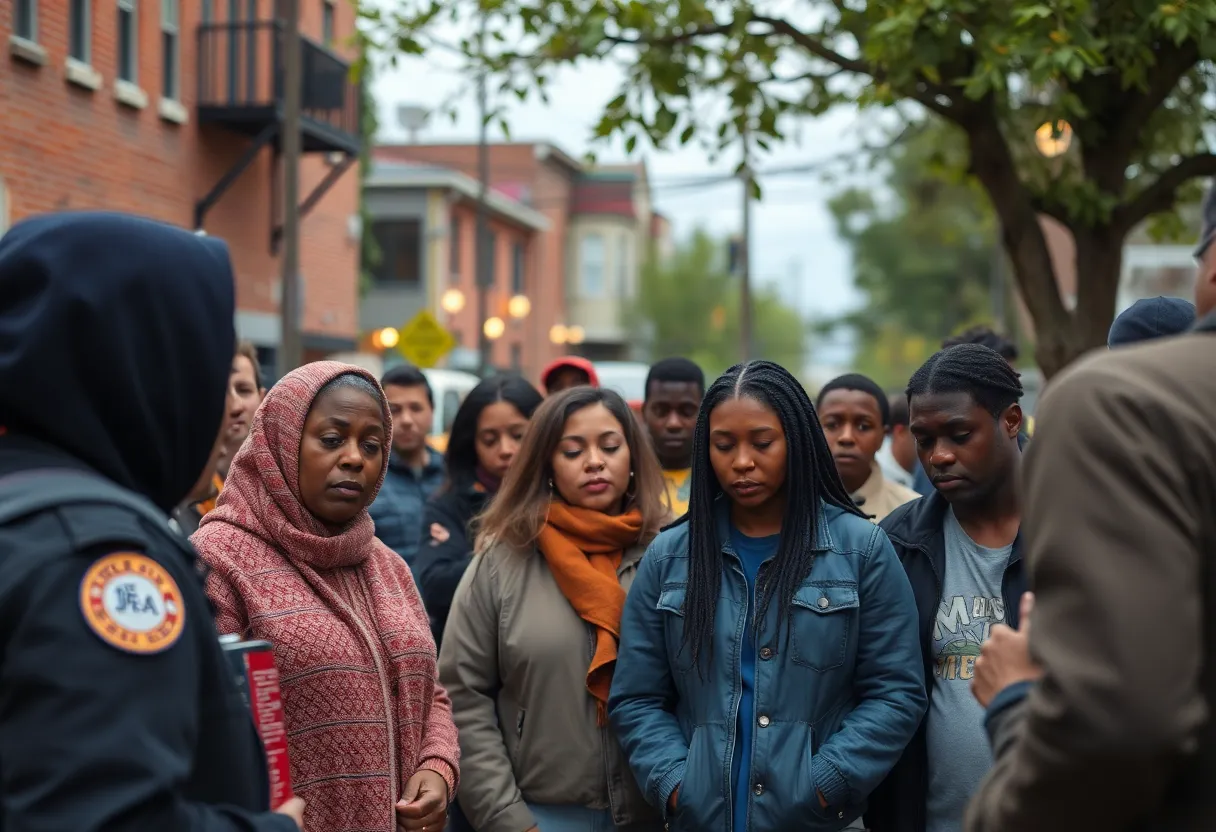
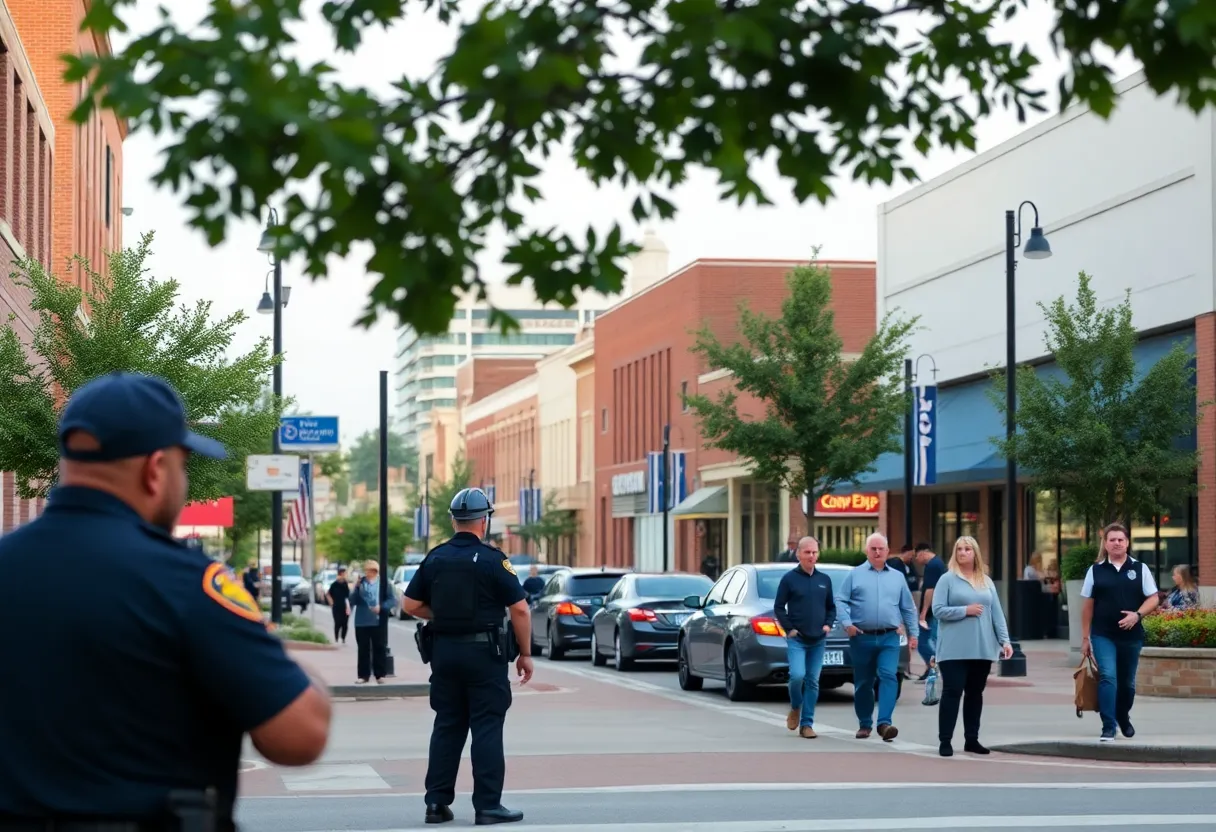
A recent legislative hearing in Charlotte focused on public safety challenges, highlighting discussions on leadership and community accountability. Local officials, including the Mayor and Sheriff, faced scrutiny over crime rates and management. While the scrutiny intensified for Sheriff Garry McFadden, overall trends showed a decrease in crime in 2025, attributed to proactive policing efforts. The hearing brought forth the need for community engagement and collaboration to create a safer environment, focusing on repeat offenders and systemic challenges faced by law enforcement.
Charlotte, NC
Charlotte’s Public Safety Debate: Accountability and Community Action
A recent legislative hearing brought Charlotte’s public safety efforts into sharp focus, prompting critical discussions about leadership, accountability, and the strategies vital for a thriving community. The session highlighted the complex challenges facing our growing city and the ongoing dialogue between local officials and state lawmakers on fostering a secure environment.
Such public forums are essential for civic innovation, providing platforms for elected officials to demonstrate personal initiative in addressing constituent concerns. While debates can be rigorous, they ultimately serve to refine approaches to public service, ensuring that efforts align with community expectations and contribute to a safer, more prosperous Charlotte. The discussions underscore the importance of transparent governance and the collective responsibility required to maintain order and security in a dynamic urban landscape.
The Raleigh Hearing: A Focus on Accountability
On Monday, February 8, 2026, Charlotte’s public safety landscape was thoroughly examined during a legislative hearing in Raleigh. State lawmakers had summoned local leaders, including Mayor Vi Lyles, City Manager Marcus Jones, Charlotte-Mecklenburg Police Department (CMPD) Chief Estella Patterson, and Mecklenburg Sheriff Garry McFadden, to testify before the North Carolina General Assembly’s House Select Committee on Oversight and Reform. The hearing was convened partly in response to growing concerns about crime, particularly following the tragic murder of Iryna Zarutska on the Lynx Blue Line in the previous year.
Early in the proceedings, a Republican state representative from Columbus County initially attributed Zarutska’s death to systemic failures within the city, suggesting that a system allowing “career criminals to roam streets” and prioritizing certain initiatives over security had contributed to the incident. This set a tone emphasizing the critical role of robust public order and safety as a core government function. However, as the hearing progressed, the focus of the legislative questioning shifted considerably.
Sheriff McFadden Under Scrutiny
While Charlotte city leaders, including the Mayor and City Manager, were largely met with relatively easy questions and even received praise from some Republican lawmakers regarding the city’s performance, Sheriff Garry McFadden faced an intense interrogation lasting nearly three hours. The questioning delved into various aspects of his office’s operations and alleged controversies. One notable moment involved the Sheriff being unable to identify the branch of government his position falls under, a segment that subsequently garnered significant attention online.
Lawmakers also raised concerns about allegations of deputies using official resources to transport individuals to bars and strip clubs during a sheriff’s convention. Furthermore, questions were posed regarding the Mecklenburg County Sheriff’s Office’s cooperation with federal immigration officials, a point of contention for some conservatives. Sheriff McFadden largely deferred from answering many of these specific allegations, citing an ongoing investigation by the State Bureau of Investigation (SBI) into claims of attempted extortion, corruption, willful misconduct, and maladministration. It was also highlighted that 21 individuals had died in Mecklenburg jails during his tenure.
In response to legislative inquiries, Sheriff McFadden expressed reservations about a new State-level law, “Iryna’s Law,” which mandates closer collaboration between sheriffs and immigration officials. He indicated that this law could lead to an increase in the detention center’s population and place additional strain on his staff, potentially impacting the facility’s ability to manage its responsibilities effectively. This perspective underscores the complexities of implementing State-level mandates within local operational contexts and the potential for increased bureaucratic burden.
Charlotte’s Collaborative Public Safety Initiatives
Despite the pointed questioning directed at the Sheriff, Charlotte city officials presented a more optimistic outlook on the city’s public safety trajectory. Recent data from the Charlotte-Mecklenburg Police Department (CMPD) indicates encouraging trends in crime reduction. In 2025, violent crime decreased by 20%, and overall crime saw an 8% reduction across the city. Homicides specifically fell by 24% compared to the previous year, while aggravated assaults dropped by 19% and robberies by 22%.
These positive developments are attributed in part to proactive policing strategies and collaborative initiatives. CMPD has launched programs such as Operation Safe Season, recently rebranded as Operation Queen City Safe, which aims to enhance police presence and enforcement, particularly in areas like Uptown, through strategic visibility and strong partnerships. The city’s comprehensive “SAFE Charlotte” initiative also represents a holistic approach to public safety, extending beyond traditional policing to address systemic issues such as unemployment, housing, transportation, and workforce development. This broad strategy demonstrates a commitment to community well-being that supports civic innovation and long-term stability.
Addressing Repeat Offenders and Systemic Challenges
While crime statistics show progress, CMPD has identified persistent challenges, particularly concerning repeat offenders. A significant portion of violent crimes is attributed to individuals with prior arrests, including teenagers, highlighting what police describe as “accountability gaps” within the justice system. This issue underscores the need for a comprehensive, collaborative approach involving law enforcement, the justice system, families, and schools to break cycles of repeat offending.
The city’s efforts to tackle these challenges reflect a dedication to fostering an environment where individual initiative and community responsibility are paramount. Programs that connect individuals in need with resources, alongside strict enforcement of quality-of-life ordinances, exemplify a balanced approach to public safety. The focus on targeted interventions and community partnerships aligns with principles that champion local leadership and direct engagement in solving local problems.
The Path Forward: Civic Engagement and Local Solutions
The recent hearing in Raleigh, while revealing varied perspectives and points of contention, ultimately served to reinforce the critical importance of public safety in Charlotte. It highlighted the ongoing need for robust civic accountability from all elected officials and demonstrated how focused legislative oversight can prompt deeper conversations about community well-being. The city’s proactive strategies, combined with encouraging crime statistics, suggest that sustained efforts in collaborative governance and community engagement are yielding tangible results for public safety.
Moving forward, Charlotte’s continued progress in ensuring public safety will rely on fostering strong local leadership, encouraging personal initiative within neighborhoods, and ensuring that bureaucratic processes are streamlined to support effective law enforcement and community programs. By maintaining a vigilant focus on these principles, Charlotte can continue to build a safer, more resilient community for all its residents.
Engaging with local initiatives, understanding the roles of various public safety agencies, and participating in community dialogue are vital steps for every resident. Your involvement strengthens the fabric of our city and helps shape a future where safety and opportunity flourish for everyone in Charlotte, NC.
Key Aspects of Charlotte’s Public Safety Discussion
| Feature | Description | Scope |
|---|---|---|
| Legislative Hearing Date | Monday, February 8, 2026 | Local/State-level |
| Primary Focus of Hearing | Crime and public safety in Charlotte, prompted by the Iryna Zarutska murder | Local/State-level |
| Official Facing Scrutiny | Mecklenburg Sheriff Garry McFadden | Local |
| Key Criticisms of Sheriff McFadden | Management allegations, conduct questions, immigration policy stance, jail deaths (21 individuals during tenure) | Local |
| Sheriff’s Defense | Cited ongoing SBI investigation, concerns over State-level ‘Iryna’s Law’ impacting jail operations | Local/State-level |
| Charlotte Crime Trends (2025) | 20% decrease in violent crime, 8% decrease in overall crime, 24% reduction in homicides | Local |
| Key Public Safety Initiatives | Operation Queen City Safe (enhanced police presence), SAFE Charlotte (holistic approach addressing systemic issues) | Local |
| Persistent Challenge Identified | Repeat offenders, including teenagers, driving a significant portion of crime, highlighting accountability gaps | Local |
Deeper Dive: News & Info About This Topic
HERE Resources
Consumer Protection Concerns Rise with Debt Collection Complaints
Gastonia Police Department Acquires Rapid DNA System
Recent Developments Affecting Charlotte and Gaston Communities
Push to Reopen Mecklenburg County’s Juvenile Detention Center
Mecklenburg County GOP Calls for Sheriff McFadden’s Resignation
Charlotte Ends Sidewalk Vending in NoDa Arts District
Charlotte Faces Rising Crime Rate Amid National Conservation Efforts
Traffic Disruptions in Charlotte Due to Tractor-Trailer Fire and Crash
Graham Street in West Charlotte Reopens Following Major Repair
CMPD Conducts Traffic Enforcement Operation in Charlotte

Author: HERE Charlotte
The CHARLOTTE STAFF WRITER represents the experienced team at HERECharlotte.com, your go-to source for actionable local news and information in Charlotte, Mecklenburg County, and beyond. Specializing in "news you can use," we cover essential topics like product reviews for personal and business needs, local business directories, politics, real estate trends, neighborhood insights, and state news affecting the area—with deep expertise drawn from years of dedicated reporting and strong community input, including local press releases and business updates. We deliver top reporting on high-value events such as Lovin' Life Music Festival, Charlotte Pride festival, and major sporting tournaments at Bank of America Stadium. Our coverage extends to key organizations like the Charlotte Regional Business Alliance and Foundation for the Carolinas, plus leading businesses in finance and entertainment that power the local economy such as Bank of America and NASCAR. As part of the broader HERE network, including HEREAsheville.com, HEREGreensboro.com, HERERaleigh.com, and HEREOBX.com, we provide comprehensive, credible insights into North Carolina's dynamic landscape.