
Charlotte, February 16, 2026
Charlotte is at the center of a growing debate over cashless payment policies, which offer convenience but may exclude vulnerable populations. Advocates highlight benefits such as efficiency and security, while critics warn about the risks of financial exclusion for the unbanked and underbanked. The discussion raises questions about the digital divide and the impact on small businesses, emphasizing the need for inclusive financial systems that accommodate all citizens.
Charlotte
Cashless Policies in Spotlight Amid Growing Concerns for Financial Inclusion
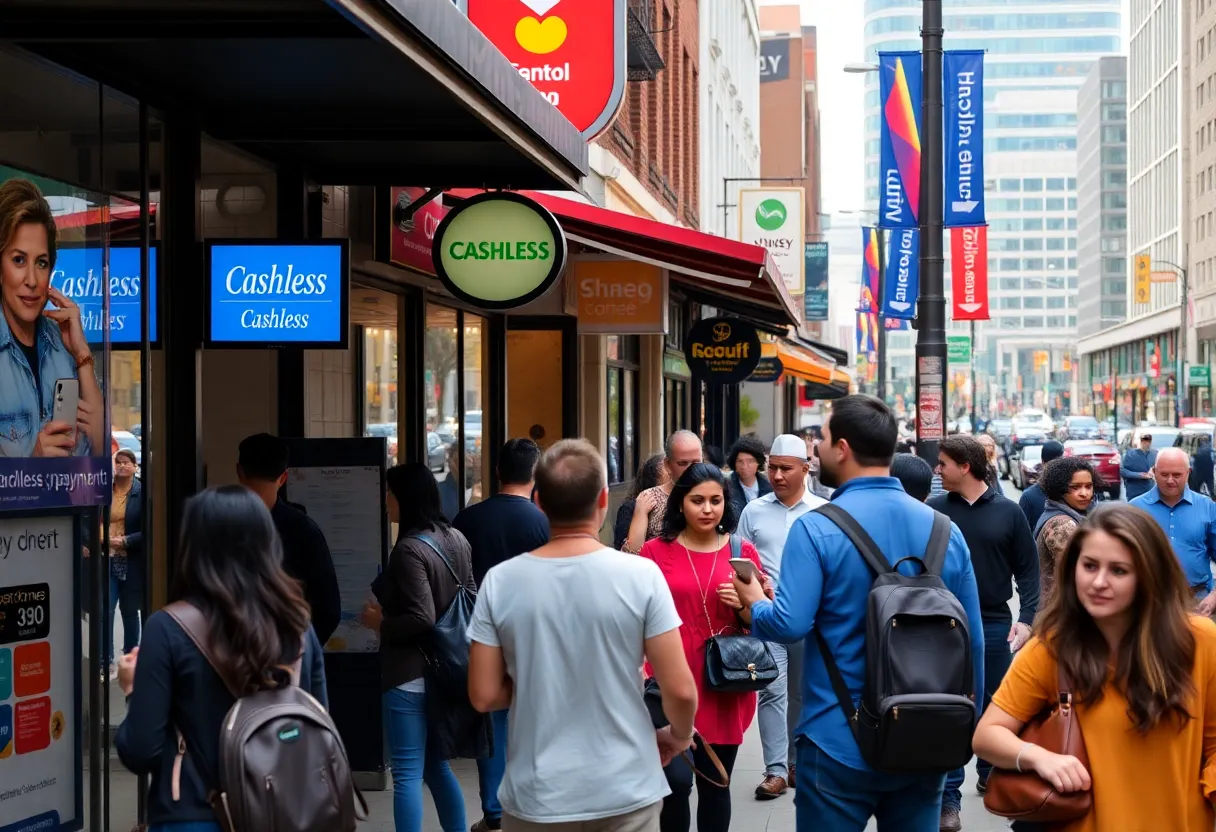
Charlotte is at the center of a renewed debate regarding the increasing trend of businesses adopting cashless payment policies, a development that, while offering convenience, is drawing criticism for potentially excluding vulnerable populations. The discussion highlights that a shift towards a fully cashless system is “not ideal,” with particular emphasis on its impact on unbanked individuals, those with limited digital access, and small businesses. This comes as cashless transactions continue to rise across the nation, driven by perceived efficiency and security benefits.
The move towards a cashless economy involves transactions primarily conducted through digital means such as credit and debit cards, mobile payment applications, and online banking, minimizing the use of physical currency. While proponents cite advantages like speed, convenience, reduced risk of crime, and increased tax transparency, critics in Charlotte and nationwide argue that such policies create significant barriers for various segments of the population.
Impact on Vulnerable Populations
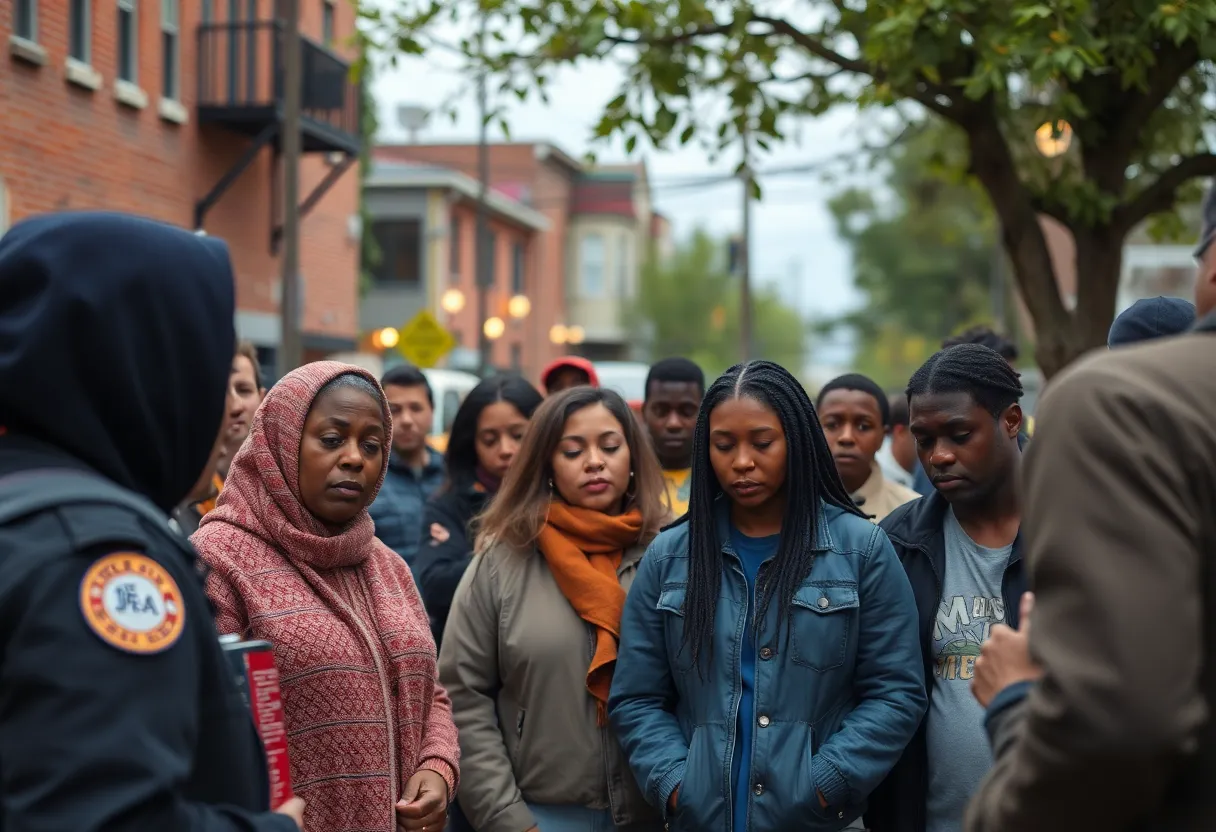
A primary concern surrounding cashless operations is the potential for financial exclusion. Millions of households across the United States are classified as “unbanked,” meaning they do not have traditional bank accounts, or “underbanked,” relying on alternative financial services like check-cashing and money orders. These groups often include low-income individuals, the elderly, minorities, and those without stable internet or access to digital devices, who depend heavily on cash for daily transactions. For instance, in 2021, approximately 4.5% of U.S. households, totaling about 5.9 million people, were unbanked, making digital payments inaccessible for them. More than half of unbanked consumers’ transactions are typically made with cash.
In a cashless environment, these individuals could face significant challenges in purchasing essential goods and services, exacerbating financial inequality. The cost associated with obtaining prepaid cards or devices capable of digital payments can be prohibitive for many underserved individuals.
Digital Divide and Accessibility Issues
The push for cashless systems often assumes universal access to smartphones, banking services, and reliable internet, which is not the reality for everyone. Rural areas, older adults, and low-income communities frequently lack consistent digital access or literacy, making a complete shift to digital payments problematic. This “digital divide” can leave significant portions of the population unable to participate fully in the economy.
Challenges for Businesses and Consumer Habits
While some businesses embrace cashless models to reduce cash-handling costs, improve security against theft, and streamline transactions, there are also downsides for merchants. Accepting only digital payments can mean businesses become more vulnerable to card company fees, which can eat into tight margins, particularly for small businesses in sectors like food and retail.
Furthermore, the “cashless effect” suggests that digital payments can alter consumer spending habits, making budgeting harder and potentially leading to overspending. When physical cash is used, individuals often feel the financial impact more acutely, whereas digital transactions can make spending feel less tangible and increase the risk of debt.
Other Concerns: Privacy and System Reliability
The increased reliance on digital transactions also brings concerns about privacy and cybersecurity. Every digital transaction leaves a traceable record, raising questions about personal data security and potential surveillance. The risk of cyberattacks, identity theft, fraud, and data breaches grows with the increase in digital payment platforms storing sensitive financial information.
Moreover, a fully cashless system depends heavily on stable digital infrastructure. Technical failures, power outages, or cyberattacks could render payment systems inoperable, leaving both consumers and businesses without the ability to conduct transactions during emergencies.
Legislative Responses and the Path Forward
Across the nation, some jurisdictions have taken steps to ensure cash remains a viable payment option. For example, San Francisco banned cashless brick-and-mortar businesses in 2019 to maintain accessibility for all residents, and similar legislation has been considered or enacted in other states and cities to require businesses to accept cash. North Carolina lawmakers have previously introduced bills, like the “Cash Commitment Act,” which aimed to prohibit retail businesses from refusing cash payments statewide, citing discrimination against those without bank accounts. Federal lawmakers have also introduced legislation, such as the Payment Choice Act, to ensure customers can use cash without being charged higher prices.
The overarching sentiment underscores the need for financial systems to remain flexible and inclusive, balancing the benefits of digital innovation with the necessity of ensuring all citizens can participate in the economy without discrimination.
Key Features of Cashless Policies
| Feature | Description | Scope of Impact |
|---|---|---|
| Financial Inclusion | Concerns that cashless systems exclude unbanked and underbanked populations, limiting their access to essential goods and services. | Nationwide |
| Privacy and Data Security | Digital transactions create a traceable record, raising concerns about personal privacy, data collection, and vulnerability to cyberattacks. | Nationwide |
| Operational Efficiency for Businesses | Benefits include reduced cash handling costs, less risk of theft, and faster transaction processing. | Nationwide |
| Costs for Businesses | Businesses may face increased fees from card companies and potential loss of sales during technical outages. | Nationwide |
| Consumer Spending Habits | The “cashless effect” can lead to reduced financial awareness, making budgeting harder and potentially increasing debt risk. | Nationwide |
| Digital Divide | Lack of access to smartphones, internet, or digital literacy particularly affects rural, elderly, and low-income communities. | Nationwide |
| Legislative Response | Some states and cities have passed laws requiring businesses to accept cash, and federal legislation has also been introduced. | State-level / Nationwide (depending on specific law) |
Deeper Dive: News & Info About This Topic
HERE Resources

Author: HERE Charlotte
The CHARLOTTE STAFF WRITER represents the experienced team at HERECharlotte.com, your go-to source for actionable local news and information in Charlotte, Mecklenburg County, and beyond. Specializing in "news you can use," we cover essential topics like product reviews for personal and business needs, local business directories, politics, real estate trends, neighborhood insights, and state news affecting the area—with deep expertise drawn from years of dedicated reporting and strong community input, including local press releases and business updates. We deliver top reporting on high-value events such as Lovin' Life Music Festival, Charlotte Pride festival, and major sporting tournaments at Bank of America Stadium. Our coverage extends to key organizations like the Charlotte Regional Business Alliance and Foundation for the Carolinas, plus leading businesses in finance and entertainment that power the local economy such as Bank of America and NASCAR. As part of the broader HERE network, including HEREAsheville.com, HEREGreensboro.com, HERERaleigh.com, and HEREOBX.com, we provide comprehensive, credible insights into North Carolina's dynamic landscape.