
Charlotte, North Carolina, February 18, 2026
Charlotte, North Carolina, faces growing tension over development in its Historic West End, a process often viewed as gentrification. As property values soar, long-time residents fear displacement and loss of community identity. Key issues include the I-77 South toll lane project and plans for industrial rezoning near the Wilson Heights Neighborhood. Community responses emphasize preservation and sustainable change, along with city initiatives like the ‘Reconnecting the West End Project’ aimed at maintaining affordable housing and local heritage.
Charlotte Confronts Growing Pains in Historic West End Amid Development Friction
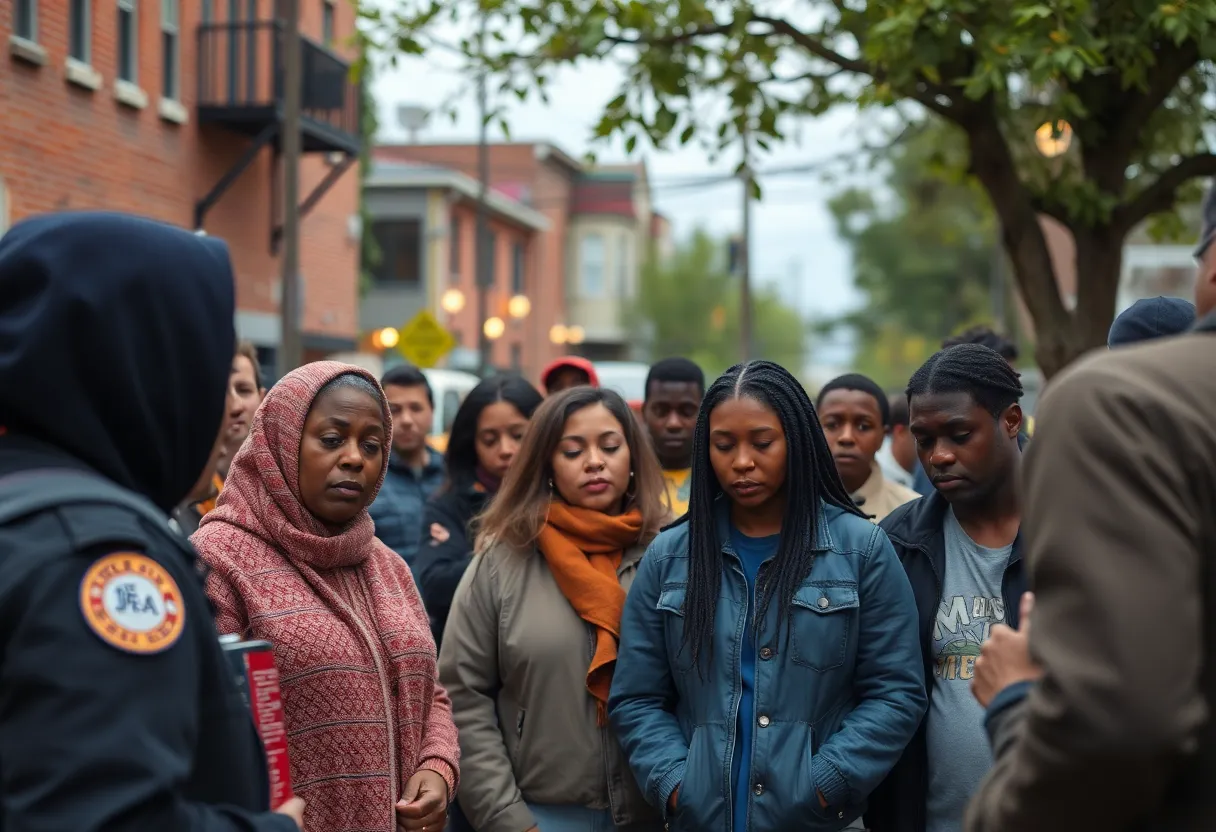
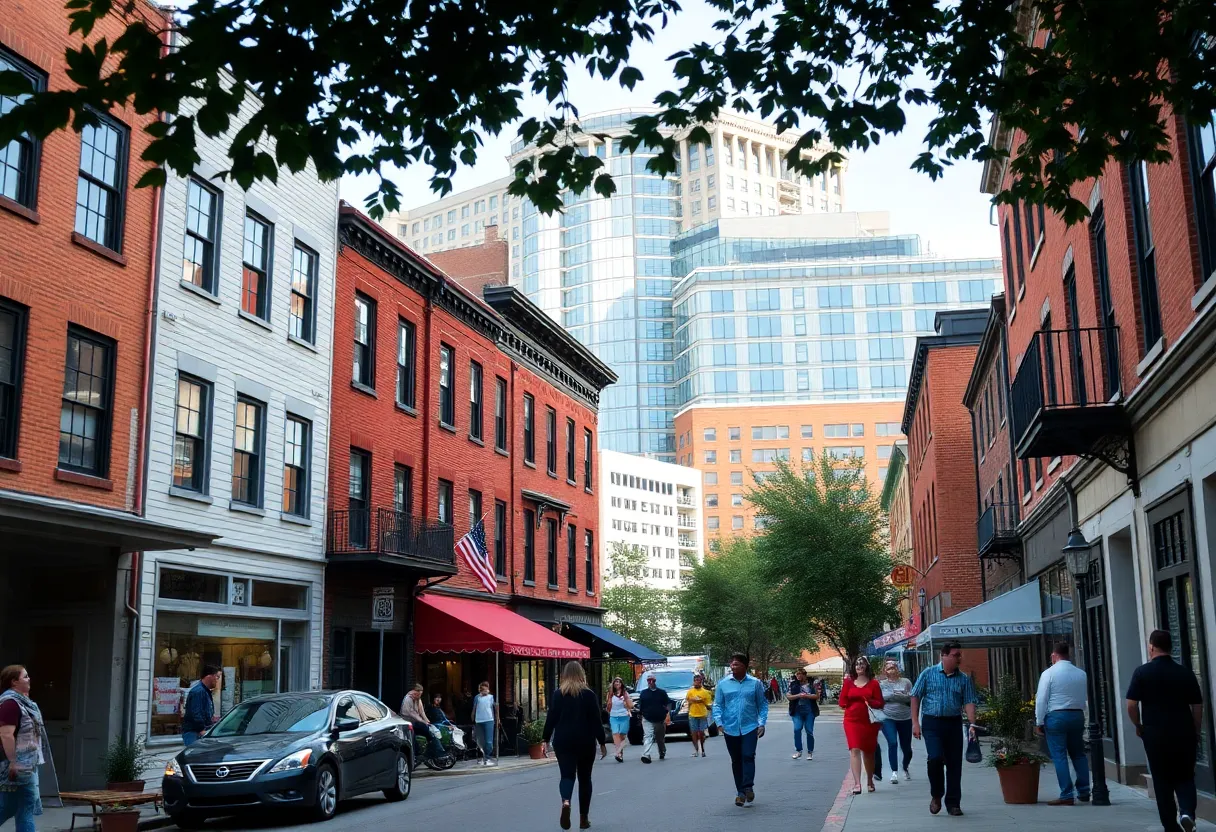
Charlotte, North Carolina, is currently grappling with intensified friction over continued development in its Historic West End, a process often characterized as gentrification, which is causing significant concern among long-time residents. As one of the nation’s fastest-growing cities, Charlotte attracts a substantial influx of new residents daily, driving demand for housing and infrastructure, but also exacerbating fears of displacement and the erosion of community identity. This ongoing tension centers on balancing urban growth with the preservation of historic Black neighborhoods that have deep roots and a rich legacy.
Ongoing Displacement Concerns and Infrastructure Projects Fuel Debate
The rapid pace of development in areas like Biddleville, Wesley Heights, and Smallwood has led to a significant increase in property values, with some areas experiencing a 300% growth in property value since 2015 and a 122% increase in median home prices from 2015 to 2023, adjusted for inflation. This economic shift often makes it challenging for established residents, particularly those who have lived in their homes for generations, to remain in their communities. Residents express apprehension about their future, fearing they may be compelled to sell properties inherited from their families at prices that, while seemingly high, are insufficient to secure comparable housing elsewhere in the city.
A recent point of contention revolves around the proposed I-77 South toll lane project, which some residents view as a repetition of historical infrastructure developments that previously divided and negatively impacted their communities. Furthermore, a proposal to rezone 41 acres near the Wilson Heights Neighborhood from single/multi-family housing to industrial use for a large warehousing, distribution, manufacturing, and office facility has drawn strong opposition. Community members are concerned about the negative environmental and health impacts, including reduced green space, increased truck traffic, and impaired air quality. They argue that such a change contradicts the city’s 2040 Plan, which identifies this area as crucial for creating diverse housing opportunities and mitigating displacement vulnerability.
The city’s growth strategy has often involved attracting corporations by offering incentives like cheaper land and labor, which, in turn, draws higher-salaried individuals to Charlotte. These new residents frequently seek housing in historically undervalued corridors such as Beatties Ford Road, contributing to the redevelopment surge.
Historical Context of Urban Change
The current dynamics of gentrification in Charlotte’s West End are deeply rooted in a history of systemic changes. During the mid-20th century, urban renewal projects and the construction of major interstates, including I-77 and I-277, led to the demolition of predominantly Black neighborhoods like Brooklyn Village, displacing many families. These displaced residents often relocated to the West End, which then became a hub for the African American community, boasting a thriving cultural and economic scene centered around Johnson C. Smith University.
However, the 1950s and 1960s also saw “white flight” to the suburbs, leaving many West End neighborhoods to face decades of disinvestment and neglect. By the year 2000, for instance, Biddleville’s population was 96% African American. The area subsequently experienced challenges such as crime, drugs, and economic stagnation, further exacerbated by a lack of essential amenities like grocery stores and quality schools. Despite these hardships, the Historic West End largely survived, fostering a professional Black middle class and a strong sense of community.
Starting around 2010, national housing trends favoring urban, walkable areas led to a “recovery” in West End communities as individuals sought proximity to Uptown Charlotte. This resurgence, coupled with developments like the planned streetcar line along Beatties Ford Road and an eventual mass transit line, has accelerated the pace of investment and real estate development.
Community-Led Preservation and Future Outlook
In response to these transformative pressures, various community leaders, activists, and organizations are actively working to ensure that new development benefits existing residents rather than displacing them. There is a collective effort to foster “renewal and preservation” that allows for progress without erasing the community’s legacy. Groups are focused on empowering long-time residents, preserving cultural heritage, and building sustainable change through environmental equity and economic opportunity. Initiatives include helping residents understand the value of their properties and offering strategies to build generational wealth, such as placing properties in trusts.
The City of Charlotte has also taken steps to address these concerns, recognizing the need for intentional, community-driven planning. The “Reconnecting the West End Project,” supported by a $1 million federal “Reconnecting Communities” grant from the U.S. Department of Transportation, aims to study I-77 interchanges, West Fifth Street, and West Trade Street to improve accessibility and reconnect the West End to Uptown. This project prioritizes affordable and mixed-income housing solutions and addresses issues such as the West End being designated a “food desert”. The goal is to create a balanced and sustainable community where current residents are integral to and benefit from new investments. These efforts underscore a critical juncture for Charlotte’s Historic West End as it navigates growth while striving to maintain its unique identity and ensure equity for all its residents.
Frequently Asked Questions
Q: What is causing friction in Charlotte’s Historic West End?
A: Friction in Charlotte’s Historic West End is caused by continued development, often characterized as gentrification, which raises concerns among long-time residents about displacement and the erosion of community identity.
Q: How are property values changing in Charlotte’s West End?
A: Property values in some areas of Charlotte’s West End, such as Wesley Heights, have experienced a 300% growth since 2015, and the median home prices in the Historic West End increased by 122% from 2015 to 2023, adjusted for inflation.
Q: What specific development projects are current points of contention?
A: The I-77 South toll lane project is a point of contention, and there is opposition to a proposal to rezone 41 acres near the Wilson Heights Neighborhood for industrial use.
Q: What is the “Reconnecting the West End Project”?
A: The “Reconnecting the West End Project” is a City of Charlotte initiative, supported by a $1 million federal grant, aimed at studying I-77 interchanges, West Fifth Street, and West Trade Street to improve accessibility and reconnect the West End to Uptown.
Q: What historical factors contributed to the current situation in the West End?
A: Historical factors include mid-20th-century urban renewal projects, the construction of interstates (I-77, I-277), “white flight” to the suburbs, and decades of disinvestment in West End neighborhoods.
Q: How are community organizations addressing gentrification in the West End?
A: Community organizations and activists are working to empower long-time residents, preserve cultural heritage, promote sustainable change, and help residents build generational wealth through strategies like placing properties in trusts.
Q: What is the average daily influx of new residents into Charlotte?
A: Approximately 159 individuals move to the city of Charlotte every day, seeking housing, job opportunities, and reliable public transportation.
Key Features of Gentrification in Charlotte’s Historic West End
| Feature | Description |
|---|---|
| Core Issue | Continued development and gentrification causing friction and displacement concerns among long-time residents. |
| Property Value Increases | Significant rises, including 300% growth in Wesley Heights since 2015 and 122% increase in median home prices in the Historic West End (2015-2023). |
| Key Development Projects | I-77 South toll lane project and proposals for industrial rezoning near Wilson Heights are current points of contention. |
| Historical Context | Rooted in mid-20th-century urban renewal, highway construction (I-77, I-277) leading to displacement, followed by decades of disinvestment. |
| Community Response | Activists and organizations work to empower residents, preserve heritage, and advocate for community-driven, equitable development. |
| City Initiatives | “Reconnecting the West End Project” with federal grants aims to improve accessibility, introduce affordable housing, and address food insecurity. |
| Population Growth | Charlotte experiences an average daily influx of 159 new residents, increasing demand for housing and infrastructure. |
Deeper Dive: News & Info About This Topic
HERE Resources
Community Resource Fair Supports Families in East Charlotte
Charlotte Revitalizes Hidden Valley Neighborhood
Reviving Biddleville Cemetery: A Call for Community Awareness
Charlotte’s Hope for Homeownership: A Local Investor’s Mission
Charlotte Author Highlights Diversity Issues in Kids’ Literature
President Trump to Designate English as Official Language
Charlotte’s Original Chicken and Ribs Restaurant: A Cultural Legacy
Eaton Fire Investigation Links Electrical Failures to Tragedy
Devastating Wildfires in Los Angeles: A Community Rallying Together

Author: HERE Charlotte
The CHARLOTTE STAFF WRITER represents the experienced team at HERECharlotte.com, your go-to source for actionable local news and information in Charlotte, Mecklenburg County, and beyond. Specializing in "news you can use," we cover essential topics like product reviews for personal and business needs, local business directories, politics, real estate trends, neighborhood insights, and state news affecting the area—with deep expertise drawn from years of dedicated reporting and strong community input, including local press releases and business updates. We deliver top reporting on high-value events such as Lovin' Life Music Festival, Charlotte Pride festival, and major sporting tournaments at Bank of America Stadium. Our coverage extends to key organizations like the Charlotte Regional Business Alliance and Foundation for the Carolinas, plus leading businesses in finance and entertainment that power the local economy such as Bank of America and NASCAR. As part of the broader HERE network, including HEREAsheville.com, HEREGreensboro.com, HERERaleigh.com, and HEREOBX.com, we provide comprehensive, credible insights into North Carolina's dynamic landscape.