


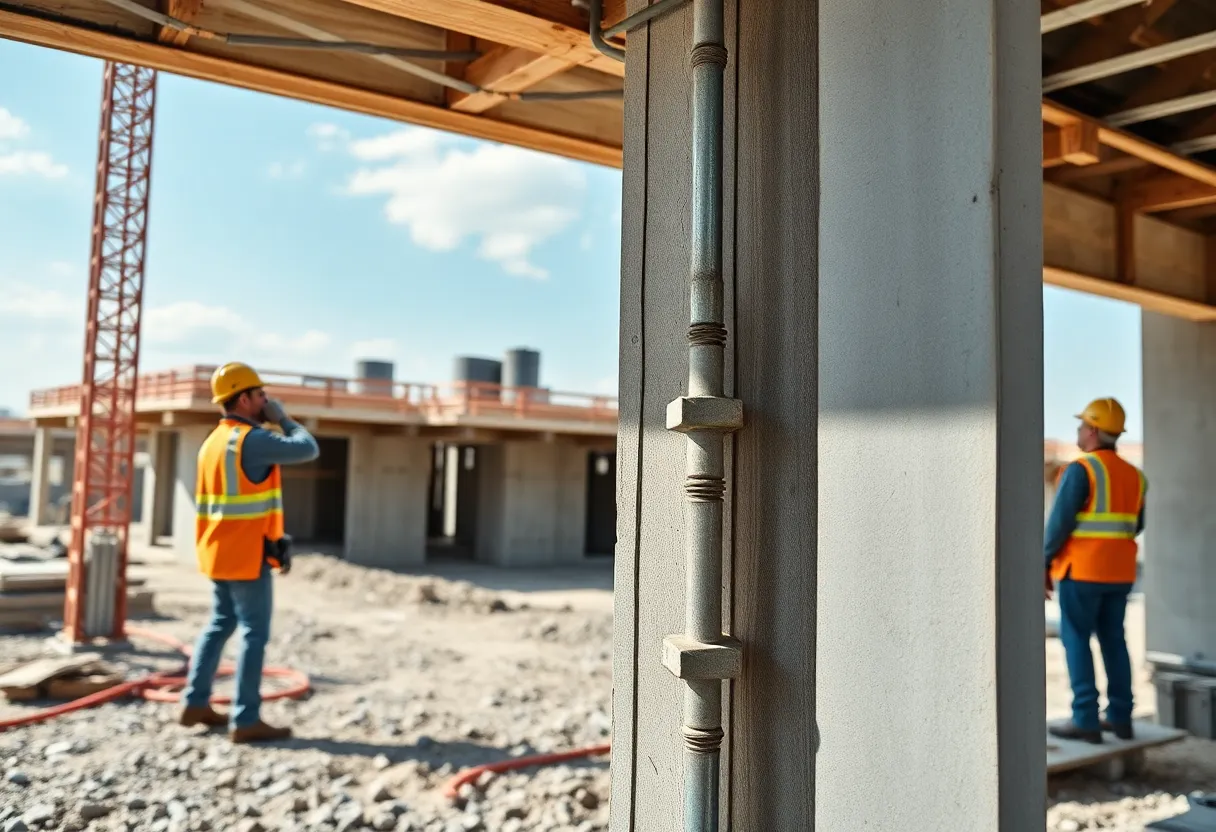
Benefits of Post-Installed Structural Connections
In modern construction, the integrity and durability of structures rely greatly on the efficacy of connections between different components. Post-installed connections have emerged as a preferred solution among engineers and builders for their ability to offer robust structural solutions across various applications. This article delves into the advantages of using post-installed structural connections, with a focus on their implementation through the innovative Direct Tension Force Control (DTFC) method.
Understanding Post-Installed Connections
Post-installed connections refer to joint systems established after the primary structural components are in place. These connections frequently employ anchors and bolts, allowing builders to modify existing structures or enhance their load-bearing capacity without extensive reconstruction. This flexibility has made them a vital element for both new builds and renovations.
Key Benefits of Post-Installed Connections
1. Versatility
One of the leading advantages of post-installed connections is their versatility. These connections can be utilized in diverse materials, including concrete, masonry, and steel. Whether integrating new structural elements or reinforcing existing frameworks, the adaptability of these connections facilitates manifold applications.
2. Enhanced Load-Bearing Capacity
Post-installed connections are engineered to withstand significant loads. By using techniques like DTFC, these connections can ensure that load transfer among components is both secure and efficient. This capability improves the structural performance while maintaining safety standards.
3. Reduced Installation Time
The installation of post-installed connections is typically faster than traditional methods. Pre-drilled holes allow for rapid placement of anchor systems, enabling projects to progress more swiftly. Reduced installation time translates to lower labor costs and optimized project timelines.
4. Minimal Disturbance
Often, construction projects require minimal disruption to surrounding operations. Post-installed connections can be implemented with less disturbance to existing structures compared to traditional methods that demand extensive modification. This aspect is particularly crucial in occupied buildings or sensitive environments.
5. Cost-Effectiveness
While the initial investment in materials and installation may be significant, post-installed connections can result in overall cost savings. Their ease of installation and reduced labor demands can lower the overall project budget. In addition, the long-term durability of these connections leads to decreased maintenance costs.
6. Improved Structural Integrity
Utilizing post-installed connections can enhance the overall integrity of a structure. The DTFC method is designed to maintain consistent tension, allowing for controlled load management across connections. This precision in tensioning contributes significantly to the longevity and reliability of the structural system.
7. Design Flexibility
Structural engineers and architects benefit from the design flexibility that post-installed connections afford. These systems can accommodate adjustments during the design and construction phases, enabling changes to be made without compromising the overall integrity of the design.
8. Performance in Seismic Regions
In areas prone to seismic activity, the performance of post-installed connections can be crucial. By leveraging innovative designs and materials, these connections can help dissipate energy effectively during seismic events, thereby protecting the structural integrity of buildings.
Implementation of Direct Tension Force Control (DTFC)
Understanding DTFC
Direct Tension Force Control (DTFC) is a specific method used in post-installed connections to manage the tension within bolts and screws accurately. Through real-time monitoring, DTFC ensures that connections maintain the requisite tension throughout their lifespan, thus minimizing risks associated with complete structural failure.
Advantages of DTFC
The use of the DTFC method amplifies the benefits of post-installed connections significantly. Here are the advantages specific to this technique:
- Precision: DTFC allows for exact tension measurements, leading to consistent performance across all structural connections.
- Safety: The monitoring of tension reduces the likelihood of connection failure, enhancing overall safety.
- Efficiency: Faster installation processes are made possible by reducing the need for multiple tensioning operations.
- Assessability: DTFC connections can be assessed easily over time to ensure they’ve retained their intended performance specifications.
Conclusion
The adoption of post-installed connections in construction continues to gain traction across various sectors. Their versatility, cost-effectiveness, and ability to enhance structural integrity make them a favorable choice for modern construction challenges. When paired with innovative techniques such as DTFC, these connections elevate the standard for safety and reliability in structural solutions.
As the demand for durable and versatile construction solutions grows, so too will the reliance on post-installed connections. The evolution of these methodologies will undoubtedly shape the future of the construction industry, leading to safer and more resilient buildings worldwide.

Author: HERE Charlotte
The CHARLOTTE STAFF WRITER represents the experienced team at HERECharlotte.com, your go-to source for actionable local news and information in Charlotte, Mecklenburg County, and beyond. Specializing in "news you can use," we cover essential topics like product reviews for personal and business needs, local business directories, politics, real estate trends, neighborhood insights, and state news affecting the area—with deep expertise drawn from years of dedicated reporting and strong community input, including local press releases and business updates. We deliver top reporting on high-value events such as Lovin' Life Music Festival, Charlotte Pride festival, and major sporting tournaments at Bank of America Stadium. Our coverage extends to key organizations like the Charlotte Regional Business Alliance and Foundation for the Carolinas, plus leading businesses in finance and entertainment that power the local economy such as Bank of America and NASCAR. As part of the broader HERE network, including HEREAsheville.com, HEREGreensboro.com, HERERaleigh.com, and HEREOBX.com, we provide comprehensive, credible insights into North Carolina's dynamic landscape.