

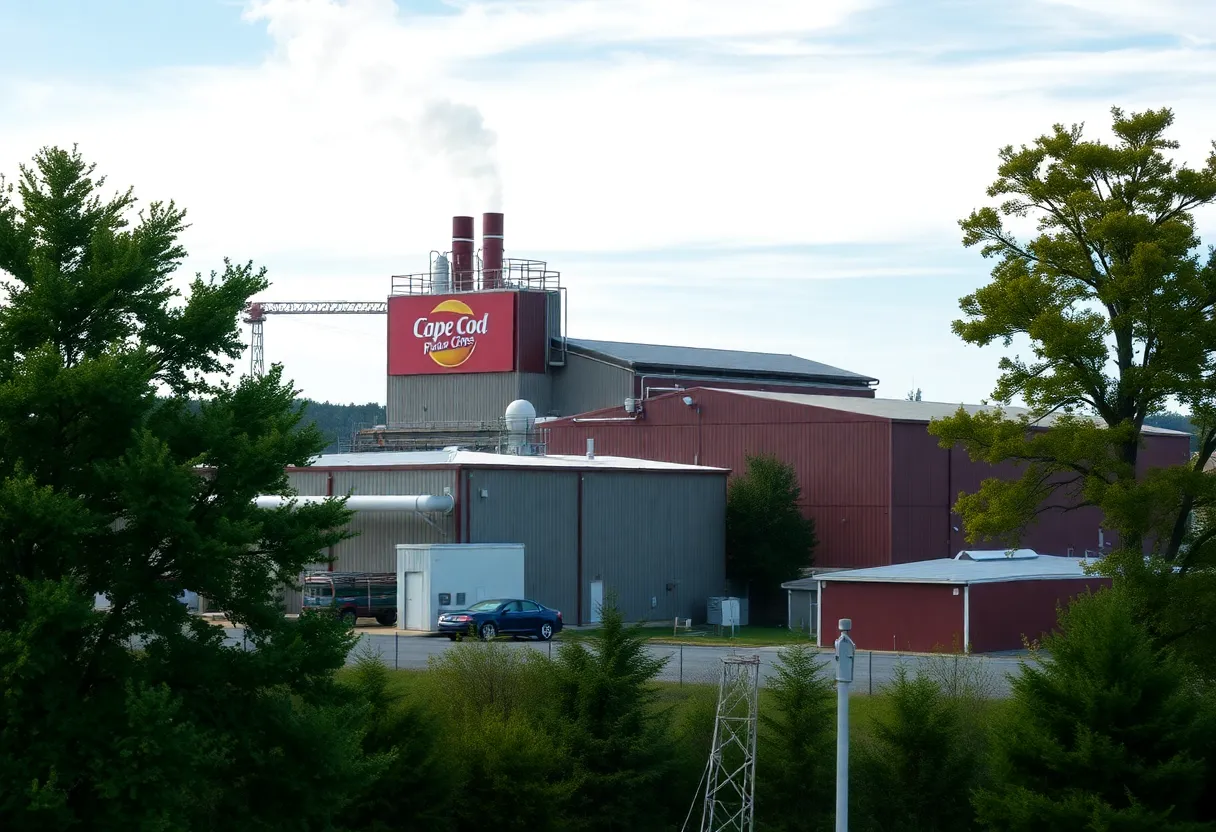
Hyannis, Massachusetts, February 4, 2026
The closure of the Cape Cod potato chip plant in Hyannis is set to impact the local economy, resulting in the layoffs of 49 employees. Owned by Campbell’s Co., the plant has been operational since 1985, but will cease production in April due to economic reasons and its limited output, transferring operations to more efficient facilities in Wisconsin, North Carolina, and Pennsylvania. This decision raises concerns about job loss and the future of the local community.
Hyannis Faces Economic Shift as Iconic Chip Plant Prepares to Close
Hyannis, Massachusetts – The community of Hyannis is preparing for a significant economic shift as the Cape Cod potato chip plant is slated to cease production in April, leading to the layoff of 49 employees. The Campbell’s Co., current owner of the Cape Cod chip brand, announced the closure on January 29, citing economic reasons and the plant’s limited production output.
The facility, which has been operational since 1985 and is the birthplace of the popular chip brand, currently produces only 4% of all Cape Cod chips. The company stated that continuing operations at the Hyannis location “no longer makes economic sense” for the business, and production will be transferred to more modern and efficient plants located in Beloit, Wisconsin; Charlotte, North Carolina; and Hanover, Pennsylvania. This strategic move aims to establish a more agile and flexible manufacturing network.
Operational History and Brand Legacy
The Cape Cod potato chip brand has a deep-rooted history in Hyannis, a coastal town well-known for its association with the Kennedy family. The plant has been a local fixture for 40 years, becoming synonymous with the region’s identity. The brand was founded in Hyannis, and the local facility has contributed significantly to its legacy over the decades.
In 2017, the brand’s former owners, Snider’s Lance, invested $20 million into the Hyannis plant, a move that was intended to bolster the outdated and overcrowded facility and ensure production remained in the region. At that time, approximately 100 individuals were employed at the plant. The current decision by Campbell’s Co. marks a departure from that earlier commitment, emphasizing a shift towards consolidating manufacturing into higher-volume, modernized facilities across the country.
Community and Economic Impact
The impending closure and associated job losses have prompted expressions of concern from local officials. State Representative Steven Xiarhos voiced his disappointment, attributing the relocation to Massachusetts policies that he believes do not adequately support affordability, economic development, or business growth. He highlighted the unfortunate consequences for the state, including the loss of jobs that support families and tax revenues crucial for communities. Representative Xiarhos emphasized the need to reverse this trend to foster a more favorable environment for businesses and retain local employment.
Despite the manufacturing exit, Campbell’s Co. has indicated an intention to maintain a community presence in Hyannis. The company plans to honor the brand’s heritage and continue local investments to support the next generation of food innovators on Cape Cod. This commitment suggests a desire to keep the brand’s origin story alive and contribute to the local economy in different capacities, even as manufacturing operations relocate.
Broader Industry Context
The decision to close the Hyannis plant reflects broader trends within the snack food industry, where companies often seek to optimize their supply chains, reduce costs, and enhance manufacturing efficiency through consolidation. Larger, more technologically advanced facilities can offer economies of scale and improved logistical advantages that smaller, older plants may struggle to match. The move to transfer production to multiple locations underscores a strategy to leverage a more distributed, yet integrated, manufacturing network.
The relocation of the Cape Cod chip production to plants in Wisconsin, North Carolina, and Pennsylvania signifies a shift towards a national manufacturing footprint designed to streamline operations and potentially improve inventory management. This strategy aims to ensure that the popular Cape Cod chips continue to be produced with the “high-quality, carefully selected ingredients” that consumers expect, regardless of the manufacturing location.
Looking Ahead
For the 49 employees affected by the layoffs, the coming months will involve navigating career transitions. The local community will also contend with the loss of a significant employer that has been part of its economic fabric for decades. The brand name, Cape Cod, will endure, continuing to represent its coastal origins even as its production migrates to other states. The closure serves as a reminder of the dynamic nature of corporate operations and their profound impact on local economies and communities across the nation.
Frequently Asked Questions
What chip brand is closing its plant?
The Cape Cod potato chip plant is slated to cease production.
Where is the Cape Cod chip plant closing?
The plant is located in Hyannis, Massachusetts.
When will the Cape Cod chip plant close?
Production at the plant is expected to end in April.
How many employees are affected by the closure?
49 employees are facing layoffs due to the plant closure.
Why is the Cape Cod chip plant closing?
The Campbell’s Co. stated that the plant only produces 4% of all Cape Cod chips and its continued operation “no longer makes economic sense” for the business. The company aims for a more agile and flexible manufacturing network by transferring production to more modern and efficient plants.
Where will Cape Cod chip production be moved?
Production will be transferred to facilities in Beloit, Wisconsin; Charlotte, North Carolina; and Hanover, Pennsylvania.
How long has the Cape Cod chip plant been in operation?
The Hyannis plant has been in use since 1985, marking 40 years of operation.
Key Details of the Cape Cod Chip Plant Closure
| Feature | Detail |
|---|---|
| Brand Name | Cape Cod Potato Chips |
| Owner | The Campbell’s Co. |
| Location of Closure | Hyannis, Massachusetts |
| Production End Date | April (after announcement on January 29) |
| Employees Affected | 49 |
| Reason for Closure | Economic, plant produces only 4% of total output, aiming for more modern and efficient production network. |
| Duration of Operation | 40 years (since 1985) |
| New Production Locations | Beloit, Wisconsin; Charlotte, North Carolina; Hanover, Pennsylvania |
Deeper Dive: News & Info About This Topic
HERE Resources
Campbell’s Closure and Its Implications for Charlotte Business
Retail Shifts and Local Resilience: Lessons for Charlotte’s Economy
Charlotte’s Leaders Drive North Carolina’s Economic Momentum
Navigating Charlotte’s Economic Currents: Inflation, AI, and Investments
Cape Cod Potato Chips Plant in Hyannis Set to Close

Author: HERE Charlotte
The CHARLOTTE STAFF WRITER represents the experienced team at HERECharlotte.com, your go-to source for actionable local news and information in Charlotte, Mecklenburg County, and beyond. Specializing in "news you can use," we cover essential topics like product reviews for personal and business needs, local business directories, politics, real estate trends, neighborhood insights, and state news affecting the area—with deep expertise drawn from years of dedicated reporting and strong community input, including local press releases and business updates. We deliver top reporting on high-value events such as Lovin' Life Music Festival, Charlotte Pride festival, and major sporting tournaments at Bank of America Stadium. Our coverage extends to key organizations like the Charlotte Regional Business Alliance and Foundation for the Carolinas, plus leading businesses in finance and entertainment that power the local economy such as Bank of America and NASCAR. As part of the broader HERE network, including HEREAsheville.com, HEREGreensboro.com, HERERaleigh.com, and HEREOBX.com, we provide comprehensive, credible insights into North Carolina's dynamic landscape.