
Charlotte NC, December 17, 2025
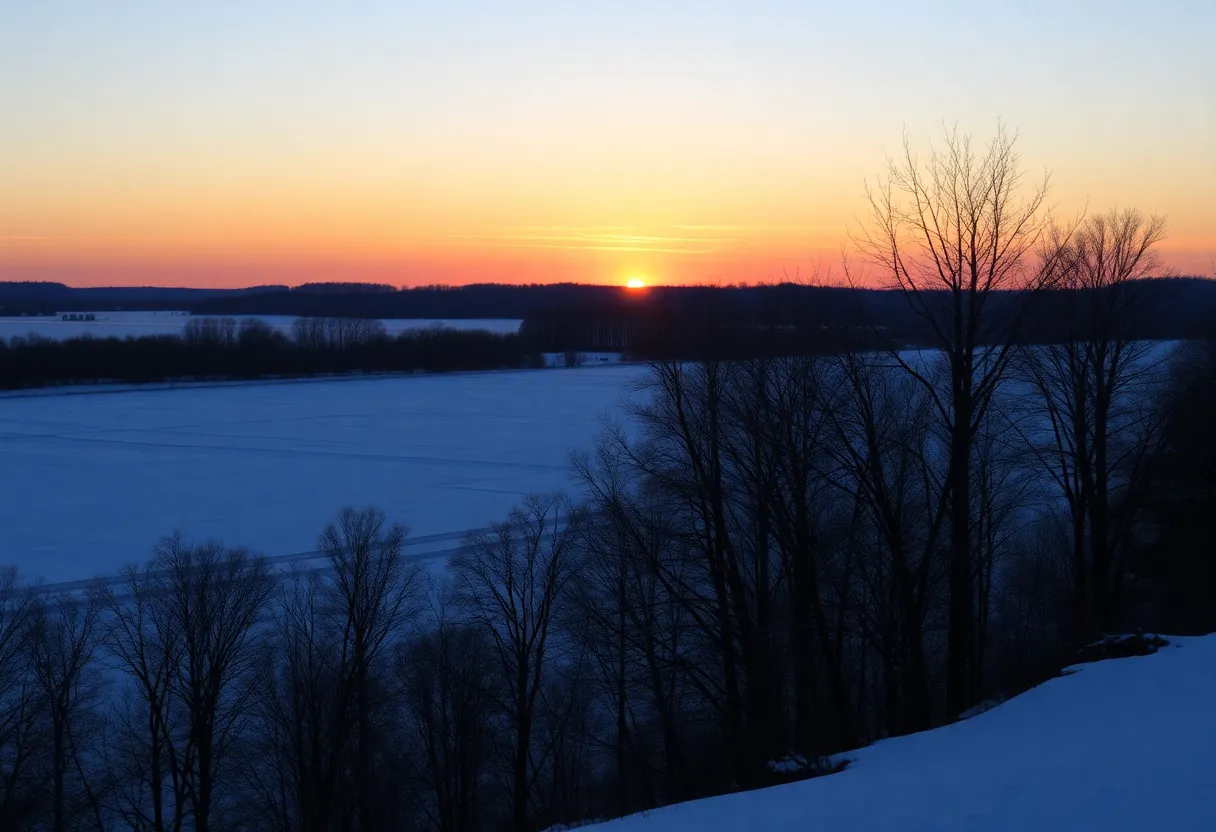
Charlotte, North Carolina, is gearing up for the winter solstice on December 21, marking the shortest day of the year with only 9 hours and 46 minutes of daylight. Occurring at 10:03 a.m. EST, the solstice signifies the official start of winter, as the Northern Hemisphere experiences the least sunlight due to its axial tilt. While the days will immediately start to lengthen afterward, the coldest weather typically arrives later, highlighting a fascinating annual cycle acknowledged in many cultures.
Charlotte Prepares for Winter Solstice, Shortest Day of the Year
Charlotte, North Carolina, is set to experience its shortest day of the year this upcoming Sunday, December 21, 2025, as the Northern Hemisphere marks the winter solstice. The astronomical event, which officially ushers in the winter season, will occur at 10:03 a.m. EST. Residents of Charlotte will see approximately 9 hours and 46 minutes of daylight on this day, the least daylight of the entire year.
The winter solstice is a pivotal astronomical moment when one of Earth’s poles reaches its maximum tilt away from the Sun. For the Northern Hemisphere, this means the North Pole is tilted about 23.5 degrees away from the Sun, causing the Sun to travel its lowest and shortest path across the sky. This tilt results in the fewest hours of daylight and the longest night of the year.
Understanding the Shortest Day
While the winter solstice marks the astronomical beginning of winter, which extends until the spring equinox, many might consider December 1 as the start of meteorological winter. Meteorological seasons are based on annual temperature cycles and climatological patterns, whereas astronomical seasons are determined by Earth’s position relative to the Sun.
The phenomenon of the shortest day also brings nuances regarding sunrise and sunset times. In Charlotte, the earliest sunset of the year already occurred around December 7. The reason the overall daylight continues to decrease until the solstice is attributed to sunrises progressively occurring later each morning. This combination of factors leads to the total daylight hours shrinking until the solstice is reached.
The Gradual Return of Light
Despite being the day with the least sunlight, the winter solstice is often viewed as a turning point. Immediately following Sunday’s solstice, daylight hours will gradually begin to increase. Initially, this gain will be mere seconds each day, but by late January, the increase in afternoon sunshine will become more noticeable. This gradual return of longer days symbolizes a period of hope and renewal in many cultures, representing the symbolic “rebirth” of the Sun. Historically, various ancient civilizations constructed monuments, such as Newgrange and Stonehenge, to align with the sunrise or sunset on the winter solstice, highlighting its ancient significance.
It is important to note that while daylight hours will start to lengthen after the solstice, the coldest temperatures of winter typically arrive later in January and February. This effect is due to a phenomenon known as seasonal lag, where the Earth continues to lose more heat than it gains for some time after the shortest day.
Global Perspective
On a Nationwide and global scale, the winter solstice is a synchronized event. Occurring at the same moment around the world, its impact on daylight varies by geographical location. While the Northern Hemisphere experiences its shortest day and longest night, the Southern Hemisphere simultaneously experiences its summer solstice, marking its longest day and the beginning of its summer season. This fascinating contrast underscores the Earth’s dynamic relationship with the Sun, driven by its axial tilt.
Frequently Asked Questions about the Winter Solstice
- What is the winter solstice?
- The winter solstice is the day with the fewest hours of daylight and the longest night of the year in the Northern Hemisphere. It marks the official start of astronomical winter.
- When is the winter solstice in Charlotte in 2025?
- The winter solstice in Charlotte in 2025 will occur on Sunday, December 21, at 10:03 a.m. EST.
- How much daylight will Charlotte have on the winter solstice?
- Charlotte will have approximately 9 hours and 46 minutes of daylight on the winter solstice, which is the least amount of daylight all year.
- Why does the winter solstice happen?
- The winter solstice occurs because Earth’s axis is tilted approximately 23.5 degrees. During this time, the Northern Hemisphere is tilted farthest away from the Sun, causing the Sun to take its lowest and shortest path across the sky.
- Do days start getting longer immediately after the winter solstice?
- Yes, days begin to grow longer immediately after the winter solstice. Initially, the increase in daylight is by seconds per day, becoming more noticeable by late January.
- Is the winter solstice the coldest day of the year?
- No, the winter solstice is not typically the coldest day of the year. Due to seasonal lag, the coldest temperatures usually occur later in January and February, even as daylight hours begin to increase.
Key Features of the Winter Solstice
| Feature | Description | Scope |
|---|---|---|
| Date in 2025 | Sunday, December 21 | Nationwide |
| Time in EST | 10:03 a.m. EST | Nationwide |
| Daylight in Charlotte | Approximately 9 hours, 46 minutes | State-level |
| Astronomical Significance | Shortest day and longest night of the year in the Northern Hemisphere; marks the start of astronomical winter | Nationwide |
| Cause | Earth’s axial tilt (approximately 23.5 degrees) away from the Sun in the Northern Hemisphere | Nationwide |
| Post-Solstice Daylight | Days gradually begin to lengthen, initially by seconds, then by minutes | Nationwide |
| Coldest Period | Typically occurs later in January and February due to seasonal lag | Nationwide |
Deeper Dive: News & Info About This Topic
HERE Resources

Author: HERE Charlotte
The CHARLOTTE STAFF WRITER represents the experienced team at HERECharlotte.com, your go-to source for actionable local news and information in Charlotte, Mecklenburg County, and beyond. Specializing in "news you can use," we cover essential topics like product reviews for personal and business needs, local business directories, politics, real estate trends, neighborhood insights, and state news affecting the area—with deep expertise drawn from years of dedicated reporting and strong community input, including local press releases and business updates. We deliver top reporting on high-value events such as Lovin' Life Music Festival, Charlotte Pride festival, and major sporting tournaments at Bank of America Stadium. Our coverage extends to key organizations like the Charlotte Regional Business Alliance and Foundation for the Carolinas, plus leading businesses in finance and entertainment that power the local economy such as Bank of America and NASCAR. As part of the broader HERE network, including HEREAsheville.com, HEREGreensboro.com, HERERaleigh.com, and HEREOBX.com, we provide comprehensive, credible insights into North Carolina's dynamic landscape.