
Charlotte, North Carolina, December 24, 2025
Bishop Michael Martin of the Diocese of Charlotte has issued a ban on altar rails, kneelers, and prie-dieus for receiving Holy Communion, effective January 16, 2026. This decision has sparked significant disagreement among clergy and the lay faithful, many of whom are concerned about the impracticality of the ban. Bishop Martin argues that these fixtures contradict the normative posture of standing during Communion, although critics claim the prohibition reflects personal preference over Church tradition.
Charlotte Bishop’s Ban on Altar Rails and Kneelers Sparks Widespread Disagreement
Charlotte, North Carolina – Bishop Michael Martin of the Diocese of Charlotte has issued a pastoral letter prohibiting the use of altar rails, kneelers, and prie-dieus for the reception of Holy Communion in all public celebrations within the diocese. The directive, announced on December 17, is set to take effect on January 16, 2026. This decision has ignited significant backlash and criticism from both priests and lay faithful throughout the diocese.
Details of the New Directive
The pastoral letter mandates that by January 16, 2026, not only must fixed altar rails and kneelers be unused, but any temporary or movable fixtures employed for kneeling during Communion must also be removed from churches and missions within the Diocese of Charlotte. Bishop Martin has further instructed all clergy, catechists, ministers of Holy Communion, and teachers to educate communicants about standing as the normative posture for receiving Holy Communion in the United States. The bishop stated that allowing these fixtures contradicts the “normative posture” of standing during Communion, which aligns with guidelines from the U.S. bishops, and emphasizes the understanding of the Church as a “pilgrim people on their way” journeying forward.
Bishop Martin’s rationale, as outlined in his December 17 letter, suggests that conciliar documents, liturgical reforms, and current liturgical documents do not explicitly mention the use of altar rails or kneelers for the distribution of Holy Communion. He previously indicated in a leaked draft letter from May that the suggestion “kneeling is more reverent than standing” is “simply absurd.” The bishop stated his intention to facilitate “peace and unity” in diocesan liturgies through these changes. While emphasizing standing as the normative posture (Nationwide), Bishop Martin’s letter also acknowledges that individual faithful retain the right to kneel for Communion and cannot be denied the Eucharist based solely on this preference.
Widespread Opposition and Clergy Concerns
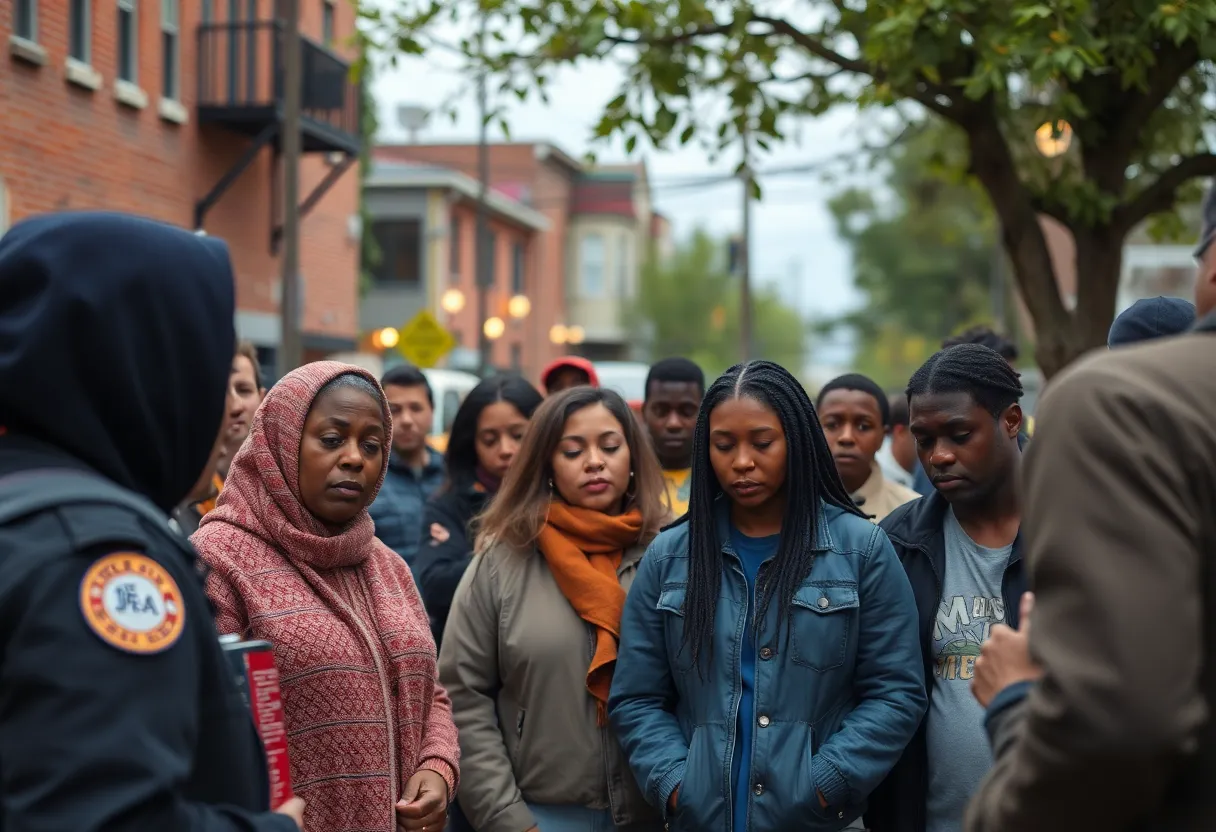
The directive has been met with considerable opposition. Many priests in the Diocese of Charlotte are reportedly voicing criticisms of the bishop’s approach. One anonymous priest suggested that a large majority of the diocesan presbyterate would express a vote of no confidence in Bishop Martin’s leadership. An anonymous letter circulated among the clergy, reportedly from a canon lawyer, accused the bishop of disregarding the principle of synodality and ignoring the feedback provided by his presbyteral council. This letter suggested that the decision to prohibit altar rails and kneeling aids stemmed more from the bishop’s personal preference rather than established Church law or tradition. Reports indicate that the presbyteral council itself had advised against implementing this ban.
Lay Faithful React to Changes
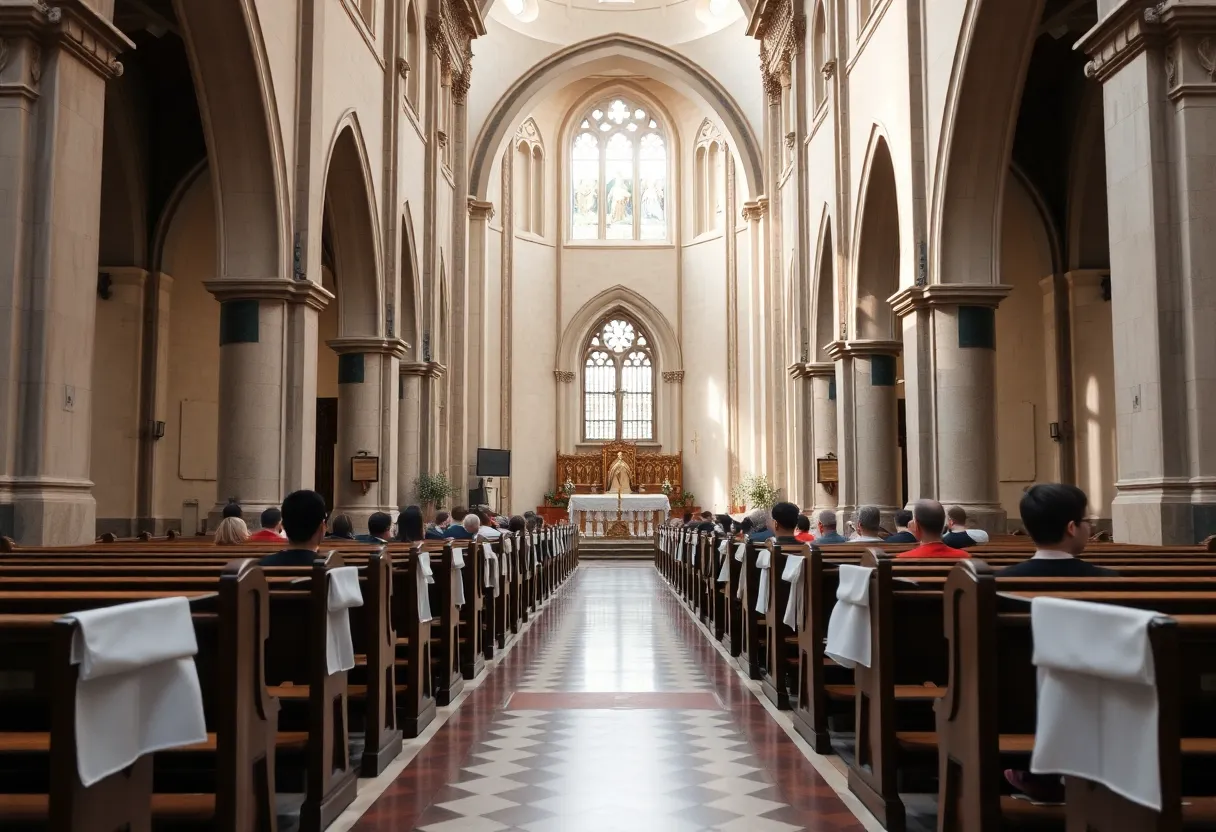
The ban has also generated significant concern among the lay faithful, particularly within communities that traditionally practice kneeling to receive Holy Communion, such as those attending the Traditional Latin Mass. Some congregants have raised practical concerns, noting that the removal of kneelers could pose difficulties for individuals who require support due to age or physical limitations when kneeling. The diocese has experienced a series of controversial decisions since Bishop Martin assumed leadership last year, contributing to a sense of discontent among some members.
Context of Previous Controversies
This latest directive follows a period of ongoing liturgical controversy within the Diocese of Charlotte. In May, a draft document outlining broader liturgical policies was leaked, proposing a wide array of restrictions including prohibitions on Roman-style vestments, certain altar crucifixes and candles, the use of the Latin language, and the recitation of vesting prayers by priests. This draft met with widespread opposition from both clergy and laity. Prior to that, Bishop Martin had also implemented sweeping restrictions on the Traditional Latin Mass, confining its celebration to a single designated chapel within the diocese, despite existing Vatican permissions that allowed for its celebration in multiple parish churches. In January 2025, an anonymous open letter expressing concerns about Bishop Martin’s leadership circulated within the diocese, highlighting issues such as “arbitrary micromanagement,” “the speed of change and lack of pastoral sensitivity,” and an “autocratic approach” to governance.
Historical Perspective and Normative Posture (Nationwide)
Altar rails have been a long-standing feature in Catholic churches for centuries, and the practice of kneeling for Communion has been a deeply ingrained tradition for many. While the U.S. bishops’ guidelines (Nationwide) identify standing, accompanied by a bow of reverence, as the normative posture for receiving Holy Communion in the United States, the universal Church explicitly allows for kneeling. Vatican documents, such as Redemptionis Sacramentum, affirm the right of any Catholic to receive Holy Communion while kneeling. Historically, prominent Church leaders, including Popes Benedict XVI and John Paul II, have encouraged or facilitated kneeling for the reception of the Eucharist. It is important to note that while some churches in the Diocese of Charlotte had reintroduced altar rails and kneelers in recent decades, the majority of parishes in the diocese already follow the practice of standing for Communion, consistent with the U.S. norms (Nationwide).
Frequently Asked Questions
- What is the main change announced by the Bishop of Charlotte?
- Bishop Michael Martin of the Diocese of Charlotte has issued a pastoral letter banning the use of altar rails, kneelers, and prie-dieus for receiving Holy Communion in all public celebrations within the diocese.
- When does this ban take effect?
- The directive, announced on December 17, is set to take effect on January 16, 2026.
- What is the reason cited by the bishop for this decision?
- The bishop stated that these fixtures contradict the “normative posture” of standing for Communion in the United States (Nationwide), as per episcopal conference guidelines, and emphasizes receiving communion as a “pilgrim people on their way.”
- Are Catholics still allowed to kneel for Communion individually?
- Yes, Bishop Martin’s letter acknowledges that individual faithful retain the right to kneel for Communion and cannot be denied the Eucharist based solely on this preference.
- What has been the reaction to this directive?
- The decision has ignited significant backlash and criticism from both priests and lay faithful throughout the diocese.
Key Features of the Charlotte Diocese Directive
| Feature | Description | Scope |
|---|---|---|
| Effective Date of Ban | January 16, 2026 | State-level |
| Prohibited Items | Altar rails, kneelers, and prie-dieus for Holy Communion reception; temporary or movable kneeling fixtures must be removed. | State-level |
| Bishop’s Stated Rationale | Contradicts normative standing posture for Communion in the U.S. (Nationwide); absence of mention in conciliar/liturgical documents. | State-level (rationale based on Nationwide norm) |
| Individual Right to Kneel | Catholics retain the right to kneel for Communion and cannot be denied for this preference. | Nationwide |
| Clergy and Lay Reaction | Significant backlash, criticism, and concerns regarding leadership and liturgical practices. | State-level |
Deeper Dive: News & Info About This Topic
HERE Resources
Diocese of Charlotte Delays Traditional Latin Mass Restrictions
Bishop Announces New Restrictions on Traditional Latin Mass in Charlotte
Crisis Erupts in Diocese of Charlotte Over Latin Mass Restrictions
Catholic Diocese of Charlotte to Limit Latin Mass Services
Charlotte’s Greater Steps Scholars Program Supports Students
Charlotte Mourns the Loss of Pope Francis
Bishop Michael Martin Holds First Palm Sunday Mass in Charlotte
North Carolina High School Basketball Playoffs Heat Up

Author: HERE Charlotte
The CHARLOTTE STAFF WRITER represents the experienced team at HERECharlotte.com, your go-to source for actionable local news and information in Charlotte, Mecklenburg County, and beyond. Specializing in "news you can use," we cover essential topics like product reviews for personal and business needs, local business directories, politics, real estate trends, neighborhood insights, and state news affecting the area—with deep expertise drawn from years of dedicated reporting and strong community input, including local press releases and business updates. We deliver top reporting on high-value events such as Lovin' Life Music Festival, Charlotte Pride festival, and major sporting tournaments at Bank of America Stadium. Our coverage extends to key organizations like the Charlotte Regional Business Alliance and Foundation for the Carolinas, plus leading businesses in finance and entertainment that power the local economy such as Bank of America and NASCAR. As part of the broader HERE network, including HEREAsheville.com, HEREGreensboro.com, HERERaleigh.com, and HEREOBX.com, we provide comprehensive, credible insights into North Carolina's dynamic landscape.