
Charlotte NC, February 12, 2026
Charlotte has committed $259 million through its Corridors of Opportunity program over six years to revitalize underserved neighborhoods. The initiative, started in 2020, aims to enhance mobility, support small businesses, and improve public safety in areas with high unemployment rates. With funding from the city, corporate partners, and the federal government, the program focuses on infrastructure improvements and community engagement, ensuring that no resident is left behind in the city’s growth.
Charlotte
Charlotte Boosts Underserved Corridors with $259 Million Investment Over Six Years
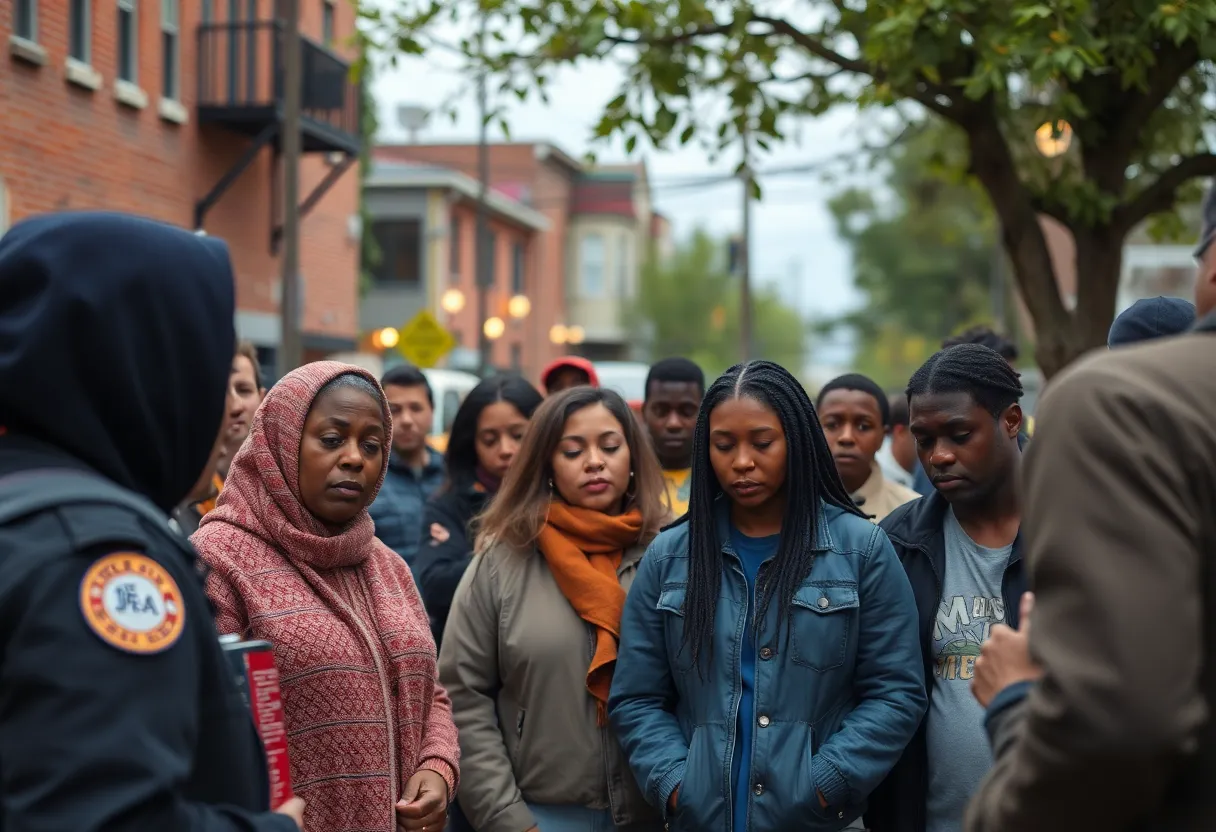
Charlotte has channeled a substantial $259 million into six of its underserved corridors over the past six years through the comprehensive Corridors of Opportunity program. This significant financial commitment, launched in 2020, aims to revitalize historically underinvested areas by fostering equitable growth and creating lasting community legacies.
The total investment is a collaborative effort, with the city government contributing $95 million, corporate partners adding $110 million, and the federal government providing $53 million. These funds are strategically deployed to ensure that as Charlotte experiences rapid development, no communities are left behind.
Driving Progress in Key Neighborhoods
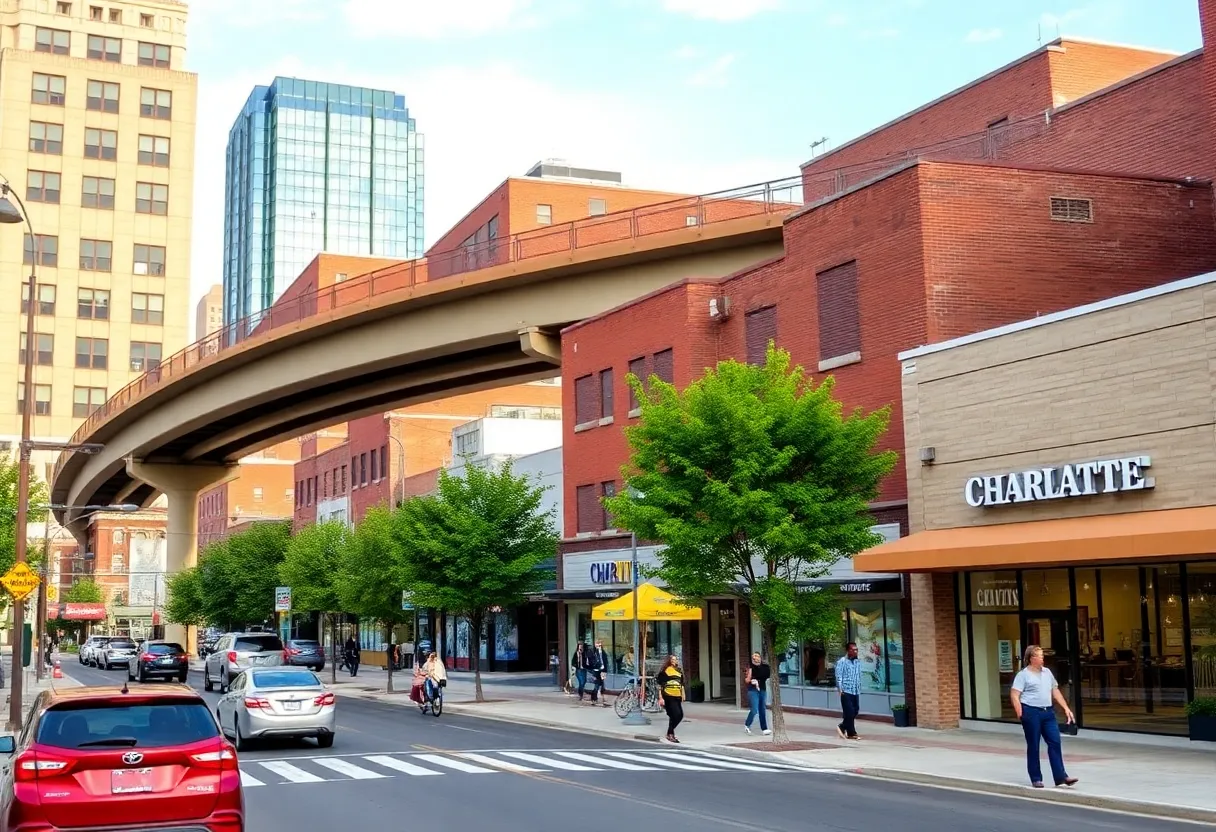
The Corridors of Opportunity program targets six specific areas within Charlotte that have historically experienced high rates of unemployment and poverty. These include vital thoroughfares such as Beatties Ford Road, North Graham and North Tryon Streets, Albemarle Road and Central Avenue, Sugar Creek Road and I-85, Freedom Drive and Wilkinson Boulevard, and West Boulevard. The overarching goal is to transform these areas into prosperous, safe, and vibrant communities where residents can thrive.
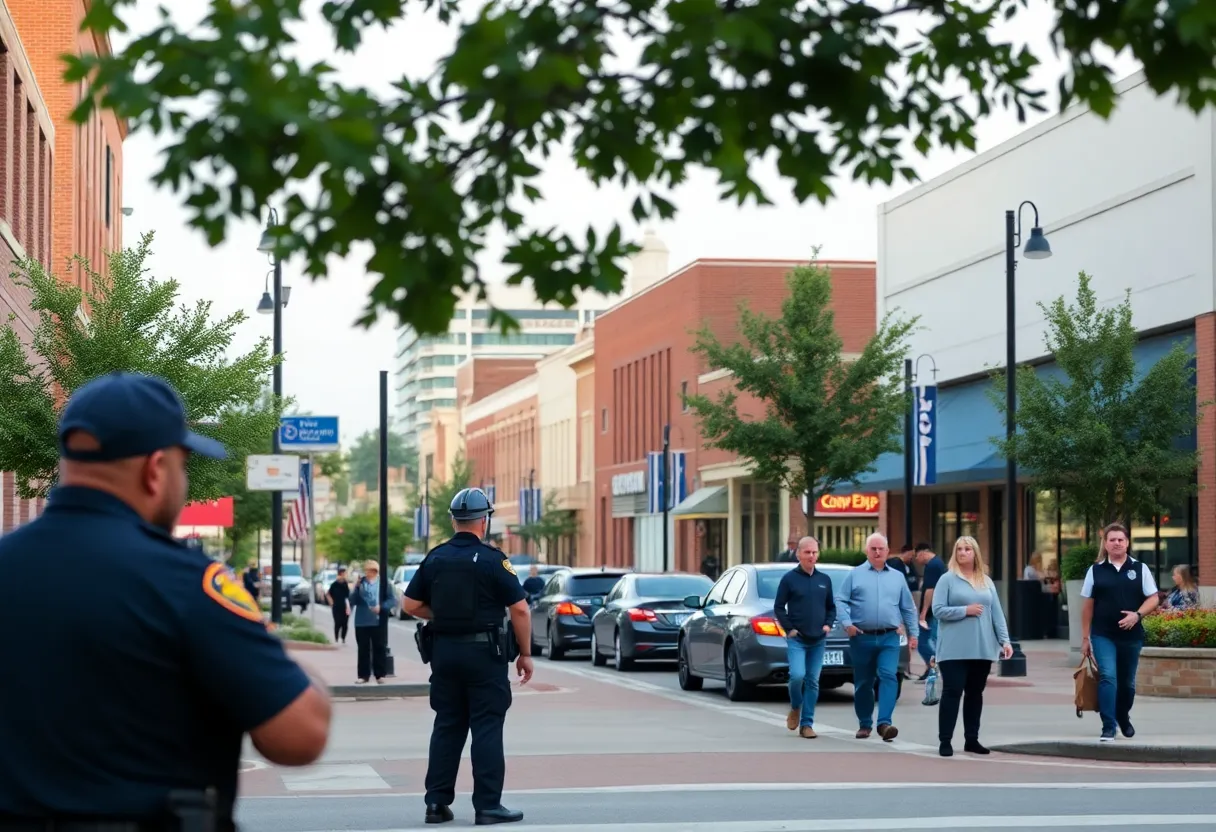
A core focus of the program is critical infrastructure improvements, particularly those enhancing mobility to connect residents with employment opportunities. Beyond physical enhancements, the initiative also seeks to preserve the unique identity and rich history of these neighborhoods amidst new development, ensuring that new residents appreciate the established community character. The program also works to reduce crime and promote economic growth within these districts.
Key Areas of Investment and Development
The program’s multifaceted approach addresses several key aspects of community development:
- Mobility and Infrastructure: A significant portion of the investment is directed toward improving transportation networks, making it easier for residents to access jobs and essential services.
- Economic Development and Small Business Support: The initiative supports the growth of businesses, with particular attention given to minority-owned enterprises. This includes creating environments where major corporations and small local businesses can coexist and flourish.
- Workforce Development: A crucial component involves enhancing access to diverse and well-paying jobs, along with providing the necessary skills training for residents to qualify for them.
- Affordable Housing and Community Identity: Efforts are underway to ensure access to affordable housing options while simultaneously preserving and celebrating the distinct cultural heritage of each corridor. Strategic investments, such as the redevelopment of the Economy Inn in the Sugar Creek Corridor for supportive and workforce housing, exemplify this commitment.
- Public Safety and Community Resources: Initiatives aim to make neighborhoods safer. For instance, Mecklenburg County plans to establish a resource center on Beatties Ford Road to address issues like crime and substance abuse.
Emergence of Opportunity Hubs
A notable development within the Corridors of Opportunity program is the establishment of six physical Opportunity Hubs, with one located in each corridor. These hubs, which began opening in 2024, are designed to serve as central points for workforce development, entrepreneurial support, and resources from Hire CLT. They offer affordable workspaces and host workshops covering essential business topics such as web design and financial management, empowering local small businesses to thrive.
Evidence of the program’s success is visible in areas like Beatties Ford Road, where a mix of large corporations and local small businesses now contributes to a revitalized economic landscape. The program has also successfully secured over $20 million in federal funding in 2023, moving closer to its ambitious goal of $100 million for corridor projects. Additionally, programs like Wells Fargo’s “Open for Business” initiative have distributed substantial grants, with $4.8 million benefiting 116 small businesses specifically within the Corridors of Opportunity.
Challenges and Future Outlook
Despite significant progress, challenges persist, with crime and illicit activities continuing to pose barriers for businesses and communities within these corridors. City leaders acknowledge these hurdles and emphasize the ongoing priority of the Corridors of Opportunity program.
Looking ahead, the program plans to intensify its focus on implementing corridor-specific strategies throughout 2024, particularly in areas of public safety, infrastructure, mobility, workforce development, housing, and the reinforcement of community identity. Future investments are also slated for transit improvements, further enhancing connectivity and access for residents. The city’s commitment underscores a long-term vision to foster vibrant, sustainable, and equitable communities across Charlotte.
Frequently Asked Questions
What is the Charlotte Corridors of Opportunity program?
The Charlotte Corridors of Opportunity program is an initiative launched in 2020 to invest in and revitalize six historically underserved areas within the city. Its goal is to foster thriving communities, build lasting legacies, and promote equitable growth by addressing various needs such as infrastructure, economic development, housing, and public safety.
How much money has been invested in the Corridors of Opportunity program?
Over the past six years, a total of $259 million has been invested in the Corridors of Opportunity program. This funding comes from the city government ($95 million), corporate partners ($110 million), and the federal government ($53 million).
Which areas are included in the Corridors of Opportunity program?
The program targets six specific corridors in Charlotte, which include Beatties Ford Road, North Graham and North Tryon Streets, Albemarle Road and Central Avenue, Sugar Creek Road and I-85, Freedom Drive and Wilkinson Boulevard, and West Boulevard. These areas were identified due to systemically high unemployment and poverty rates.
What are the main goals of the investment?
The primary goals include making targeted investments in areas that could be left behind as Charlotte grows, ensuring residents have access to affordable housing, diverse and well-paying jobs, reliable transportation, updated infrastructure, and safe neighborhoods. It also aims to preserve neighborhood identity and reduce crime while promoting economic growth.
What are Opportunity Hubs?
Opportunity Hubs are six physical centers, one in each corridor, that opened starting in 2024. They provide workforce development, entrepreneurial support, and a base for Hire CLT resources. These hubs offer affordable workspaces and workshops on business-related topics like web design and financial management for small businesses.
What types of improvements are being made?
Improvements focus heavily on infrastructure, particularly mobility projects that help residents access jobs. Other investments include support for small and minority-owned businesses, a federal program for tree canopy care, initiatives to address crime and substance abuse, and strategic redevelopments for supportive and workforce housing.
Key Features of the Corridors of Opportunity Program
| Feature | Description |
|---|---|
| Total Investment | $259 million over six years |
| Funding Sources | City Government ($95M), Corporate Partners ($110M), Federal Government ($53M) |
| Program Launch Year | 2020 |
| Number of Corridors Targeted | Six underserved corridors |
| Primary Goals | Equitable growth, community revitalization, job creation, improved infrastructure, affordable housing, neighborhood preservation, crime reduction |
| Key Initiatives | Infrastructure enhancements (mobility projects), small business support, Opportunity Hubs, workforce development, public safety initiatives |
| Opportunity Hubs | Six physical centers providing workspace and workshops for businesses, opened starting in 2024 |
| Progress Highlight | Secured over $20 million in federal funding in 2023; significant private and public sector collaboration |
Deeper Dive: News & Info About This Topic
HERE Resources
Atlanta Hawks Fall to Charlotte Hornets in Close Contest
Crime in Charlotte-Mecklenburg Schools Approaches Pre-Pandemic Levels
Charlotte’s Initiative Gains $1M for Homelessness Solution
Rock Hill’s I-77 Corridor Set for New Marriott Hotel Developments
Charlotte’s Job Boom: A National Success Story
Park Road Corridor Sees Boost with New Apartment Development
Charlotte’s Building Boom Welcomes New Leadership for Continued Growth
North Carolina Forests Forge Ahead with $290 Million Recovery
Charlotte’s Stage Awakens: Music & Community at Truliant
Charlotte’s Opportunity: National Triathlon Growth Ignites Local Spirit

Author: HERE Charlotte
The CHARLOTTE STAFF WRITER represents the experienced team at HERECharlotte.com, your go-to source for actionable local news and information in Charlotte, Mecklenburg County, and beyond. Specializing in "news you can use," we cover essential topics like product reviews for personal and business needs, local business directories, politics, real estate trends, neighborhood insights, and state news affecting the area—with deep expertise drawn from years of dedicated reporting and strong community input, including local press releases and business updates. We deliver top reporting on high-value events such as Lovin' Life Music Festival, Charlotte Pride festival, and major sporting tournaments at Bank of America Stadium. Our coverage extends to key organizations like the Charlotte Regional Business Alliance and Foundation for the Carolinas, plus leading businesses in finance and entertainment that power the local economy such as Bank of America and NASCAR. As part of the broader HERE network, including HEREAsheville.com, HEREGreensboro.com, HERERaleigh.com, and HEREOBX.com, we provide comprehensive, credible insights into North Carolina's dynamic landscape.