
Charlotte, February 13, 2026
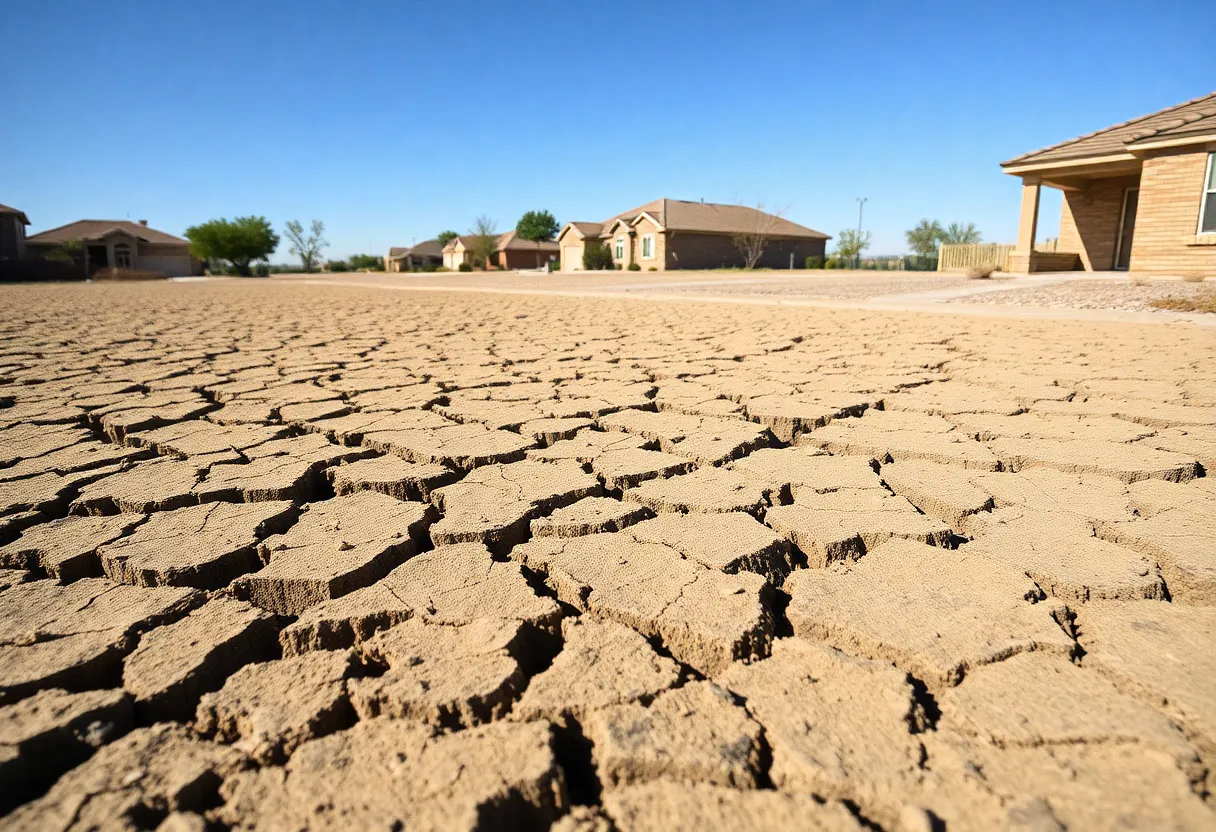
Charlotte is facing extreme drought conditions for the first time in over 17 years, raising concerns for agriculture and the local environment. The dry spell, which began in late March, has worsened as the region enters the growing season. Meteorologists note that the higher temperatures and lack of rainfall could exacerbate the impacts on water resources, local flora, and agriculture. Residents are urged to stay informed and adhere to water conservation measures as experts monitor the evolving weather patterns.
Charlotte
Extreme Drought Conditions Return to Charlotte After 17 Years
Charlotte is currently experiencing extreme drought conditions, a situation not seen in the region for over 17 years. This significant environmental development raises concerns, especially as the area moves further into the growing season. The lack of substantial rainfall since late March has contributed to the deteriorating conditions across the region.
Impact on the Growing Season and Local Environment
The return of extreme drought is particularly worrisome during the current growing season. Experts are closely monitoring the situation as sustained dryness can severely impact agriculture, local flora, and water resources. The dry spell that began in late March has steadily worsened, culminating in the current critical state.
Recent Weather Patterns and Meteorological Observations
Local meteorologists have been closely tracking weather patterns, noting the prolonged dry period. While the focus is currently on the drought, the region has also experienced other notable weather events recently. Just days ago, the area saw a surprisingly warm day, with temperatures reaching 72 degrees Fahrenheit at 2 PM, marking the warmest day since January 10th, when it hit 74 degrees Fahrenheit. These warm temperatures, especially during periods of low rainfall, can further exacerbate dry conditions by increasing evaporation rates.
Earlier in the year, Charlotte and the Piedmont region were under ice storm warnings, the first such warnings since 2005. This highlights the variability of weather conditions in the area, moving from freezing precipitation threats to significant drought within a relatively short period. While winter storms bring precipitation, the overall trend since late March has been one of significant dryness. Forecasters have also been diligently reviewing data for upcoming weather systems, including potential winter storms, and providing frequent updates on the evolving conditions. The monitoring of such forecasts is crucial for residents and local authorities alike to prepare for any significant weather shifts.
Historical Context and Future Outlook
The return of extreme drought after more than 17 years provides a historical perspective on Charlotte’s climate variability. The last time the region faced such severe conditions, the impacts were widespread, affecting water supply, agriculture, and natural ecosystems. While the immediate focus is on managing the current drought, long-term climate trends suggest that communities need to remain vigilant and prepared for a range of extreme weather phenomena, from severe droughts to intense winter storms and even powerful hurricanes, as meteorologists continue to track various systems.
Residents are encouraged to stay informed through local weather updates and to follow any guidelines issued by local authorities regarding water conservation or other drought-related measures. The sustained dryness calls for a collective effort to conserve resources and adapt to the challenging conditions. The ongoing monitoring by meteorological experts aims to provide timely information to help the community navigate these weather extremes effectively.
Frequently Asked Questions
-
What is the current weather condition in Charlotte?
Charlotte is currently experiencing extreme drought conditions, a situation not seen in the region for over 17 years.
-
When did the dry period in Charlotte begin?
It has been pretty dry in Charlotte since the end of March.
-
What was a recent notable temperature in Charlotte?
Recently, it was 72 degrees Fahrenheit at 2 PM, which was the warmest day since January 10th, when it reached 74 degrees Fahrenheit.
-
When were ice storm warnings last issued for the Charlotte area prior to a recent event?
Ice storm warnings were in effect for the Charlotte area and Piedmont, the first since 2005.
Key Features of Recent Charlotte Weather
| Event | Description | Significance |
|---|---|---|
| Extreme Drought Conditions | Returned to Charlotte for the first time in over 17 years. | Major concern for agriculture and water resources during the growing season. |
| Prolonged Dry Period | In effect since the end of March. | Contributes significantly to the current drought severity. |
| Recent Warm Temperature | 72°F at 2 PM, the warmest since January 10th (74°F). | Can exacerbate drought by increasing evaporation. |
| Recent Ice Storm Warnings | First time since 2005 across the Charlotte area and Piedmont. | Highlights recent extreme weather variability in the region. |
Deeper Dive: News & Info About This Topic
HERE Resources
Charlotte’s Public Safety and Economic Landscape Shifts
Charlotte Schools Implement Delays Due to Winter Weather
Navigating Winter Challenges in Charlotte
North Carolina Teachers Demand Better Pay and Funding
Carolina Panthers Clinch NFC South Title and Home Playoff Game
Record Corporate Deals and Panthers’ Playoff Hopes
Recent Developments in College Football Landscape
Crest Chargers Celebrate 7th State Championship Victory
Body Found in Vehicle Linked to Missing Woman in Charlotte
Charlotte’s Festive Weekend: Top Events to Enjoy

Author: HERE Charlotte
The CHARLOTTE STAFF WRITER represents the experienced team at HERECharlotte.com, your go-to source for actionable local news and information in Charlotte, Mecklenburg County, and beyond. Specializing in "news you can use," we cover essential topics like product reviews for personal and business needs, local business directories, politics, real estate trends, neighborhood insights, and state news affecting the area—with deep expertise drawn from years of dedicated reporting and strong community input, including local press releases and business updates. We deliver top reporting on high-value events such as Lovin' Life Music Festival, Charlotte Pride festival, and major sporting tournaments at Bank of America Stadium. Our coverage extends to key organizations like the Charlotte Regional Business Alliance and Foundation for the Carolinas, plus leading businesses in finance and entertainment that power the local economy such as Bank of America and NASCAR. As part of the broader HERE network, including HEREAsheville.com, HEREGreensboro.com, HERERaleigh.com, and HEREOBX.com, we provide comprehensive, credible insights into North Carolina's dynamic landscape.