

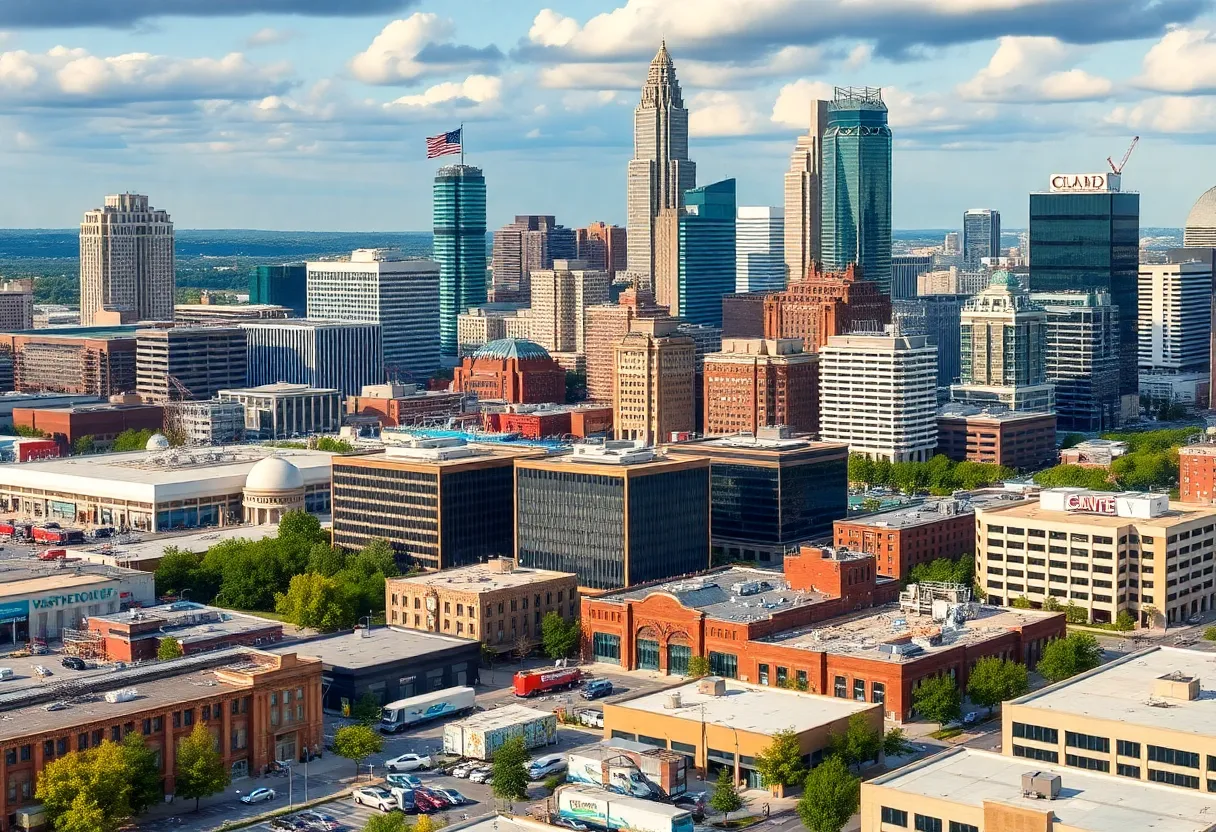
Charlotte, NC, February 13, 2026
Charlotte faces significant manufacturing changes with recent plant closures impacting local jobs. Despite challenges, the city’s entrepreneurial spirit shines as small businesses thrive and innovations emerge, paving the way for future growth and resilience in the community. As the local economy adapts, investment in new sectors promises continued opportunities for job creation and prosperity.
Charlotte
Charlotte Navigates Economic Shifts: Local Impact and Enduring Resilience
Recent plant closures highlight an evolving manufacturing landscape in the Charlotte area, while the city’s vibrant entrepreneurial spirit and diversified economy drive future growth.
Charlotte, North Carolina, a city long celebrated for its dynamic growth and expanding economic footprint, is currently navigating shifts within its manufacturing sector. While the news of plant closures and subsequent layoffs can cast a temporary shadow, it also underscores the continuous evolution inherent in a robust, competitive economy. Our community has consistently demonstrated a remarkable capacity for adaptation, fueled by the ingenuity of North Carolina entrepreneurs and the enduring strength of Charlotte small business. It is in these moments of transition that the underlying resilience and innovative spirit of our local economy truly shine, promising new avenues for growth and opportunity.
The city’s economic narrative is not solely defined by the challenges but by the determined response of its residents and businesses. By fostering an environment where innovation can thrive and recognizing the pivotal role of local enterprise, Charlotte continues to solidify its position as a leading hub for opportunity. These transitions, while impactful for those directly affected, also serve as a catalyst, encouraging deeper private investment and thoughtful approaches to economic development that prioritize long-term prosperity and job creation across diverse sectors.
Local Manufacturing Shifts: Recent Plant Closures
The Charlotte area has recently seen significant announcements regarding manufacturing operations. Dublin-based power management company Eaton plans to close one of its Charlotte facilities by August 29, resulting in the loss of 76 jobs. The company indicated that operations would be moved to other Eaton facilities as part of efforts to increase U.S. manufacturing capacity and find efficiencies. This facility was primarily involved in assembling residential electric metering products.
Another instance involves industrial manufacturing company Columbus McKinnon, which is closing its Duff-Norton facility in Charlotte, impacting 79 employees. Operations from this facility are slated to move to Mexico. The company cited “ongoing and continued poor plant performance” as the reason for the closure. The layoffs for Columbus McKinnon are planned in phases, with 73 employees in September and an additional 6 in March of 2025.
Additionally, Smithfield Foods closed its Charlotte pork-processing plant in October 2023, affecting 107 employees. Production was transferred to their Tar Heel, North Carolina, facility to increase efficiency and better utilize existing capacity.
Beyond Local: Understanding Broader Economic Currents
These local manufacturing shifts are not isolated incidents but rather reflect broader economic trends influencing industries both regionally and Nationwide. For decades, North Carolina has experienced a significant transformation in its manufacturing landscape. Over the last 30 years, there has been a notable decline in traditional manufacturing jobs across the state, with many sectors undergoing restructuring due to globalization and evolving market demands.
This macro-level change is part of a larger economic recalibration that has seen the rise of new industries. Simultaneously, the broader economic landscape has seen a Nationwide trend of significant layoffs within the tech sector. While distinct from manufacturing, these shifts highlight a period of adjustment for many global enterprises, emphasizing efficiency and strategic reallocation of resources across various industries. Such dynamics mean that communities, including Charlotte, must continually adapt their economic strategies to foster new opportunities for their workforce.
Charlotte’s Entrepreneurial Engine: A Foundation of Growth
Despite these specific industry adjustments, the overarching narrative for the Charlotte economy remains one of substantial growth and diversification. Charlotte is recognized as one of the fastest-growing metropolitan cities in the United States, transforming from a primarily financial services hub into a vibrant center for technology, energy, healthcare, and logistics. This diversification is crucial for buffering against industry-specific downturns.
The city’s economic vitality is significantly propelled by its robust small business sector. Charlotte is home to over 80,000 small businesses, which collectively employ nearly half of the city’s private workforce. These enterprises are not just job creators; they are vital contributors to local tax revenue, supporting public infrastructure and services. The economic impact of supporting these local ventures is substantial, with approximately $68 of every $100 spent at a small business remaining within the local economy.
Fostering Innovation and Investment
Charlotte’s environment is highly conducive to entrepreneurship and innovation. Organizations like LISC Charlotte and Charlotte Center City Partners actively support small businesses by providing essential resources, capital access, and networking opportunities. The city’s commitment to nurturing startups is further evidenced by a significant increase in federal funding for Charlotte-based businesses, with a 46% rise in Small Business Innovation Research and Technology Transfer awards between 2019 and 2023.
The region has also seen impressive venture capital growth, with $1.5 billion raised across 261 deals from 2019 to 2023. This robust investment climate signals confidence in the city’s future. Academic institutions play a key role, with UNC Charlotte achieving Carnegie R1 status for its research impact and the upcoming Wake Forest University School of Medicine–Charlotte poised to be a new innovation anchor in a burgeoning life sciences district. Such developments contribute to Charlotte’s national recognition, including its jump into the top 10 of the Milken Institute’s Best-Performing Cities in 2024.
Community Resilience and the Path Forward
The strength of Charlotte NC business is not merely in its impressive statistics but in the resilience and adaptability of its community. When larger manufacturing plants adjust their operations, it creates a need for an agile workforce and new opportunities. The entrepreneurial ecosystem in Charlotte is designed to meet such challenges, encouraging individuals to innovate and build new ventures. This spirit of self-reliance and community support is vital, ensuring that talent and resources are redirected into emerging sectors or expanding small businesses.
A business-friendly regulatory environment, coupled with private sector leadership and community involvement, empowers local entrepreneurs to fill economic gaps and drive new growth. The focus on local innovation and private investment is key to fostering a dynamic market where job creation and business success can flourish, building on the strong foundation laid by both established and emerging industries.
Conclusion
While the closure of manufacturing plants in the Charlotte area presents immediate challenges for affected employees and their families, it also serves as a poignant reminder of the perpetual evolution of modern economies. Charlotte’s robust and diversifying economic landscape, characterized by significant investment in technology, healthcare, and logistics, coupled with a thriving Charlotte small business sector, positions the city for continued long-term prosperity. The spirit of North Carolina entrepreneurs and the collective commitment to local innovation are powerful forces that will continue to drive economic growth and create opportunities.
We encourage all residents to actively support local businesses, engage with community initiatives focused on economic development, and champion the entrepreneurial spirit that makes Charlotte truly exceptional. By working together, we can ensure that Charlotte remains a beacon of economic opportunity and community strength.
Key Features of Charlotte’s Economic Landscape
| Feature | Detail | Scope |
|---|---|---|
| Eaton Plant Closure | Closing Charlotte facility by August 29, affecting 76 jobs. | Charlotte-area |
| Columbus McKinnon Plant Closure | Closing Duff-Norton facility, moving operations to Mexico, affecting 79 employees. | Charlotte-area |
| Smithfield Foods Plant Closure | Closed Charlotte plant in October 2023, affecting 107 employees. | Charlotte-area |
| Manufacturing Sector Trend | North Carolina has seen a decline in traditional manufacturing over the last 30 years. | State-level |
| Tech Layoffs Context | Major tech companies have been implementing layoffs. | Nationwide |
| Charlotte’s Economic Diversification | Evolved into a hub for technology, energy, healthcare, and logistics. | Charlotte-area |
| Number of Small Businesses | Over 80,000 small businesses. | Charlotte-area |
| Local Spending Impact | Approximately $68 of every $100 spent at a small business stays in the local economy. | Charlotte-area |
| Venture Capital Growth (2019-2023) | $1.5 billion raised across 261 deals. | Charlotte-area |
| National Recognition | Ranked in the top 10 of Milken Institute’s Best-Performing Cities in 2024. | Charlotte-area |
Deeper Dive: News & Info About This Topic
HERE Resources
Charlotte’s Lithium Future: Kings Mountain Mine Reaches Milestone
Touio’s Intellidrip Solution Innovates Farming in Wilson
Charlotte’s Driven Brands and Economic Growth
Truist Enhances Charlotte’s Financial Landscape with Open Banking
Charlotte Reflects on a Business Journalism Milestone
Enhancing Behavioral Health Services in North Carolina
Cabarrus Candidates Eye Tax Cuts and Teacher Pay Hikes
Camp North End Marks New Era of Innovation in Charlotte
Charlotte to Host Ian Munsick’s ‘The Eagle Flies Free Tour’
Charlotte’s St. Patrick’s Day: A Celebration of Local Spirit

Author: HERE Charlotte
The CHARLOTTE STAFF WRITER represents the experienced team at HERECharlotte.com, your go-to source for actionable local news and information in Charlotte, Mecklenburg County, and beyond. Specializing in "news you can use," we cover essential topics like product reviews for personal and business needs, local business directories, politics, real estate trends, neighborhood insights, and state news affecting the area—with deep expertise drawn from years of dedicated reporting and strong community input, including local press releases and business updates. We deliver top reporting on high-value events such as Lovin' Life Music Festival, Charlotte Pride festival, and major sporting tournaments at Bank of America Stadium. Our coverage extends to key organizations like the Charlotte Regional Business Alliance and Foundation for the Carolinas, plus leading businesses in finance and entertainment that power the local economy such as Bank of America and NASCAR. As part of the broader HERE network, including HEREAsheville.com, HEREGreensboro.com, HERERaleigh.com, and HEREOBX.com, we provide comprehensive, credible insights into North Carolina's dynamic landscape.