
Charlotte, North Carolina, December 13, 2025
The Charlotte Fire Department continues its commitment to tradition by incorporating the historic single-beam pompier ladder into its training program. This practice, rare among fire departments, instills vital values such as determination and respect among new recruits. The training emphasizes the connection between contemporary firefighters and the profession’s historical roots, reinforcing teamwork and mental discipline through individual and group climbs using the traditional equipment.
Charlotte, North Carolina – December 13, 2025
Charlotte Fire Department Upholds Historic Pompier Ladder Training Tradition
The Charlotte Fire Department continues to honor its rich history by incorporating the historic single-beam pompier ladder into its recruit training program. This rare practice, maintained by only a few fire departments nationwide, serves as a powerful tool to instill confidence, discipline, and a deep connection to the profession’s roots among new firefighters.
Training Overview
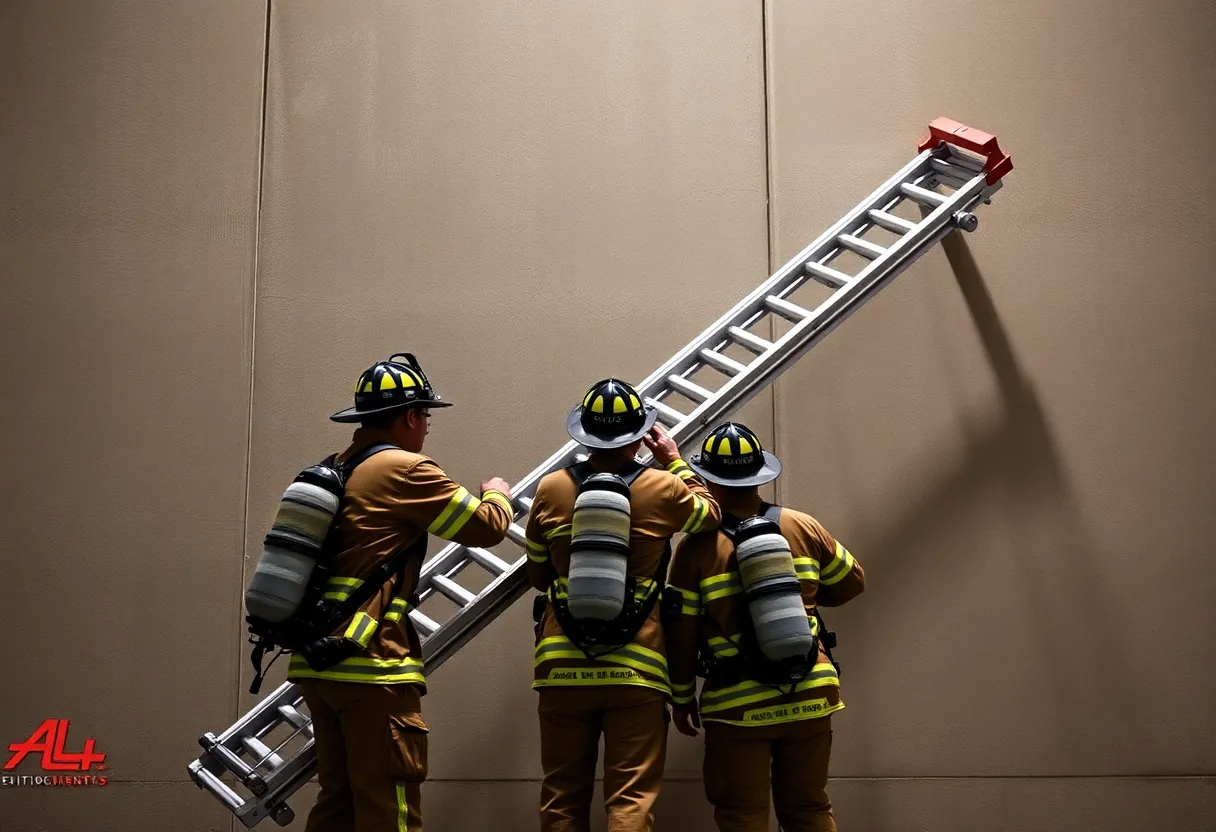
During a recent training session at the Charlotte Fire Training Academy, Recruit Class 134 faced the challenge of ascending the single-beam pompier ladder. This traditional equipment, characterized by its curved hook and narrow rungs, was once essential for scaling multi-story buildings in tight spaces. Although no longer in active use on Charlotte’s firegrounds, the ladder remains a vital component of the department’s training regimen.
Purpose and Significance
The inclusion of the pompier ladder in training is not about technical proficiency but about reinforcing core values such as determination, trust, and respect for the profession. Fire Chief Reginald Johnson emphasized that this tradition connects every new firefighter to the generations who built Charlotte Fire into what it is today. The climb is demanding and intentional, requiring focus, trust, and a steady mind, thereby building confidence and mental discipline among recruits.
Historical Context
Originating in 19th-century Europe, the pompier ladder was designed to reach windows in cramped alleys and courtyards where conventional ladders could not fit. By the late 1800s, it became a staple in the American fire service. Over time, advancements in technology and rescue techniques led to its replacement in everyday firefighting. However, its symbolic value endures, representing courage and discipline that define the fire service.
Training Process
Recruits approach the training wall individually, each taking a turn on the ladder while classmates observe and await their next attempt. The process demands deliberate movements, attention to detail, and effective communication. Instructors guide each climber through the sequence, reinforcing the importance of teamwork and precision. After completing individual climbs, the entire class returns to the wall together for a group photograph, symbolizing unity and shared accomplishment.
Community Impact
This tradition not only strengthens individual character but also fosters a sense of camaraderie among recruits. It serves as a reminder of the department’s commitment to progress and innovation while honoring the lessons that built the profession. The pompier ladder remains a testament to the enduring spirit of firefighting, connecting present-day firefighters to those who once relied on the tool in life-and-death situations.
About the Charlotte Fire Department
The Charlotte Fire Department provides fire suppression, emergency medical services, technical rescue services, hazardous materials mitigation, disaster response, code enforcement, fire investigations, and public education for the city of Charlotte, North Carolina. Established in 1875, the department operates across an area of approximately 312 square miles, serving a day population of two million and a night population of 885,000. With a dedicated team of over 1,300 employees, the department is committed to ensuring the safety and well-being of the community it serves.
Frequently Asked Questions (FAQ)
What is the pompier ladder, and why is it used in training?
The pompier ladder is a historic single-beam ladder with a curved hook, once essential for scaling multi-story buildings in tight spaces. In training, it reinforces core values such as determination, trust, and respect for the profession, building confidence and mental discipline among recruits.
Is the pompier ladder still used in active firefighting?
No, the pompier ladder is no longer in active use on Charlotte’s firegrounds. However, it remains a vital component of the department’s training regimen, serving as a link to the past and a test of heart for new recruits.
How does the pompier ladder training benefit recruits?
The training builds confidence, mental discipline, and a deep connection to the profession’s roots. It reinforces core values and fosters a sense of camaraderie among recruits, preparing them for the challenges of firefighting.
What is the historical significance of the pompier ladder?
Originating in 19th-century Europe, the pompier ladder was designed to reach windows in cramped alleys and courtyards where conventional ladders could not fit. It became a staple in the American fire service by the late 1800s, symbolizing courage and discipline that define the fire service.
How does the Charlotte Fire Department incorporate the pompier ladder into its training?
Recruits approach the training wall individually, each taking a turn on the ladder while classmates observe. The process demands deliberate movements, attention to detail, and effective communication. After individual climbs, the entire class returns to the wall together for a group photograph, symbolizing unity and shared accomplishment.
Key Features of the Pompier Ladder Training
| Feature | Description |
|---|---|
| Historic Significance | Originated in 19th-century Europe, symbolizing courage and discipline in firefighting. |
| Training Purpose | Reinforces core values such as determination, trust, and respect for the profession. |
| Training Process | Recruits ascend the ladder individually, followed by a group climb to foster unity. |
| Community Impact | Builds confidence, mental discipline, and camaraderie among recruits. |
| Current Use | No longer in active use on firegrounds but remains vital in training. |
Deeper Dive: News & Info About This Topic
HERE Resources

Author: HERE Charlotte
The CHARLOTTE STAFF WRITER represents the experienced team at HERECharlotte.com, your go-to source for actionable local news and information in Charlotte, Mecklenburg County, and beyond. Specializing in "news you can use," we cover essential topics like product reviews for personal and business needs, local business directories, politics, real estate trends, neighborhood insights, and state news affecting the area—with deep expertise drawn from years of dedicated reporting and strong community input, including local press releases and business updates. We deliver top reporting on high-value events such as Lovin' Life Music Festival, Charlotte Pride festival, and major sporting tournaments at Bank of America Stadium. Our coverage extends to key organizations like the Charlotte Regional Business Alliance and Foundation for the Carolinas, plus leading businesses in finance and entertainment that power the local economy such as Bank of America and NASCAR. As part of the broader HERE network, including HEREAsheville.com, HEREGreensboro.com, HERERaleigh.com, and HEREOBX.com, we provide comprehensive, credible insights into North Carolina's dynamic landscape.