
Charlotte, February 14, 2026
Charlotte has concluded its temporary sidewalk vending program in the NoDa arts district, ending the operation of street vendors. This change will impact the vibrancy and accessibility of this cultural hub that attracts both locals and visitors. NoDa, known for its arts and entertainment, will see a shift as the city refines its approach to managing public spaces while balancing the needs of small businesses.
Charlotte Halts Sidewalk Vending in Vibrant NoDa Arts District
Charlotte has concluded its temporary sidewalk vending program in the city’s vibrant NoDa arts district, effectively ending the operation of street vendors on its sidewalks. The decision marks a shift in how public spaces within the popular cultural hub will be utilized and regulated moving forward.
Understanding the Change in NoDa
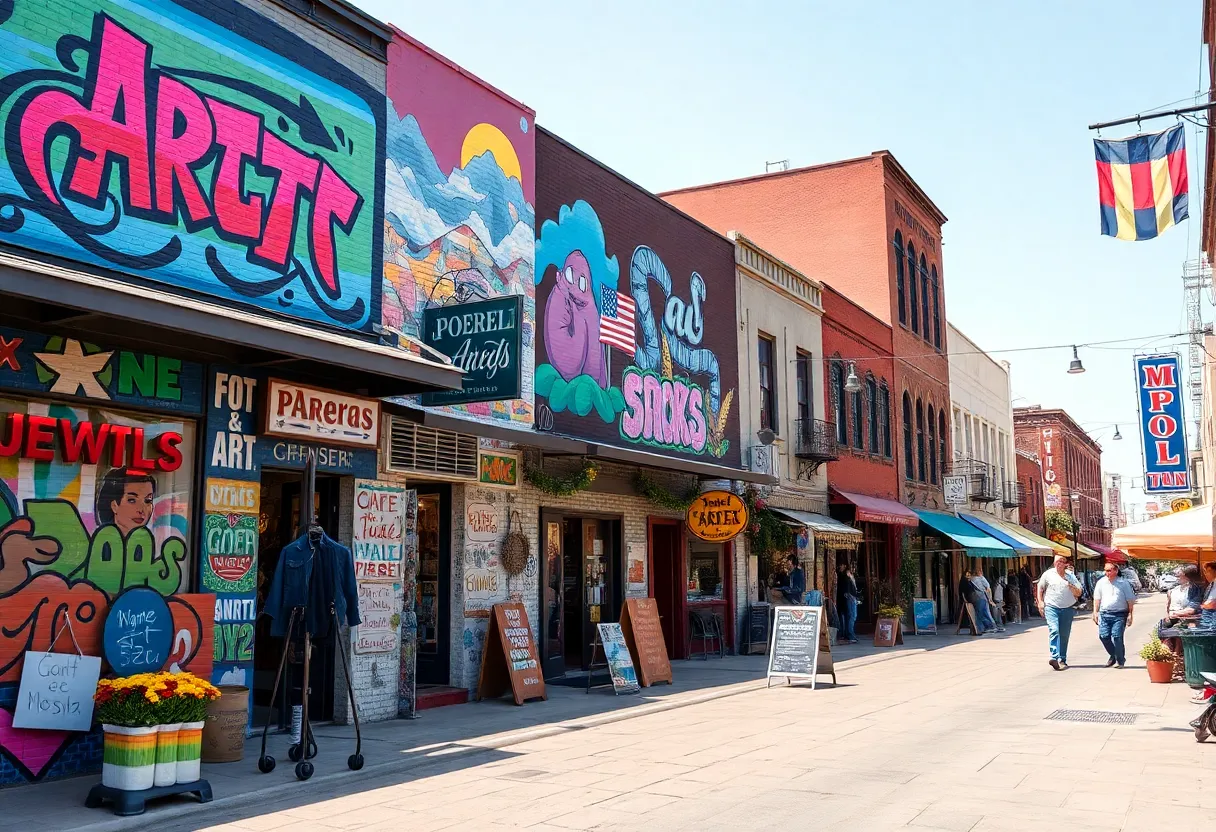
The NoDa area, officially known as North Davidson, has long been celebrated as Charlotte’s dedicated arts and entertainment district. Characterized by its unique galleries, music venues, local boutiques, and distinctive dining establishments, NoDa attracts a diverse crowd of residents and visitors. The temporary sidewalk vending program allowed a variety of street sellers to operate, contributing to the district’s lively atmosphere and offering an eclectic mix of goods and services directly to pedestrians. These vendors often ranged from local artisans selling handmade crafts to food trucks and small businesses providing unique culinary experiences, enhancing the street-level commerce and cultural flavor of the neighborhood.
The Role of Temporary Urban Programs
Cities frequently implement temporary programs, such as the one recently concluded in NoDa, to test new ideas for urban space management, foster economic activity, or respond to specific community needs. Such initiatives allow urban planners and city officials to evaluate the impact of various activities on public infrastructure, pedestrian flow, safety, and the overall character of a district without committing to permanent changes. These programs often serve as pilot projects, providing valuable data and feedback that inform future policy decisions regarding the use of public rights-of-way. The conclusion of a temporary program typically follows a period of assessment, where city departments review its success, challenges, and alignment with broader urban development goals.
Impact on Street Vending and Public Spaces
The presence of street vendors can significantly shape the pedestrian experience in an urban environment. They contribute to the vitality and spontaneity of public spaces, creating dynamic streetscapes that draw people out of their homes and into the community. For many small entrepreneurs, street vending provides an accessible entry point into commerce, often requiring less overhead than traditional brick-and-mortar establishments. Their removal from the sidewalks of NoDa means that the district’s commercial landscape will undergo an adjustment, potentially altering the casual shopping and dining experiences for which the area has been known. The decision underscores the ongoing balance cities must strike between supporting small businesses, ensuring public accessibility, and maintaining order in popular public areas.
Managing public sidewalks and thoroughfares is a complex task for municipal authorities, involving considerations such as pedestrian safety, compliance with accessibility standards, sanitation, and the aesthetics of the urban environment. Regulations for sidewalk vending are typically designed to address these concerns, ensuring that public spaces remain safe, clean, and enjoyable for everyone. The conclusion of the temporary program in NoDa reflects a city’s prerogative to adjust such policies in response to its evolving urban planning strategies and community priorities.
Looking Ahead for NoDa
As Charlotte moves forward without the temporary sidewalk vending program in NoDa, the district will continue to evolve. The area’s core appeal—its focus on arts, culture, and local businesses—remains a strong draw. The city’s decision signals a refined approach to the management of its public spaces, particularly in high-traffic and culturally significant areas like NoDa. While the direct economic and social impacts of this change will unfold over time, the emphasis will likely shift towards existing businesses and potentially other forms of public engagement that align with the updated regulatory framework for the district’s sidewalks.
Frequently Asked Questions
- What is happening in Charlotte’s NoDa district?
Charlotte is ending its temporary sidewalk vending program in the NoDa arts district.
- Who is affected by this decision?
Sidewalk street vendors operating in the NoDa arts district are affected by this decision.
- What was the nature of the vending program?
It was a temporary program that allowed sidewalk sellers to operate in the NoDa area.
- What is NoDa?
NoDa is known as Charlotte’s arts district.
Key Features of the NoDa Sidewalk Vending Program Change
| Feature | Detail |
|---|---|
| City | Charlotte |
| District | NoDa (Arts District) |
| Program Status | Ending |
| Program Type | Temporary Sidewalk Vending Program |
| Affected | Sidewalk Street Vendors |
Deeper Dive: News & Info About This Topic
HERE Resources
Charlotte Weighs New Vending Rules: Balancing Opportunity and Order

Author: HERE Charlotte
The CHARLOTTE STAFF WRITER represents the experienced team at HERECharlotte.com, your go-to source for actionable local news and information in Charlotte, Mecklenburg County, and beyond. Specializing in "news you can use," we cover essential topics like product reviews for personal and business needs, local business directories, politics, real estate trends, neighborhood insights, and state news affecting the area—with deep expertise drawn from years of dedicated reporting and strong community input, including local press releases and business updates. We deliver top reporting on high-value events such as Lovin' Life Music Festival, Charlotte Pride festival, and major sporting tournaments at Bank of America Stadium. Our coverage extends to key organizations like the Charlotte Regional Business Alliance and Foundation for the Carolinas, plus leading businesses in finance and entertainment that power the local economy such as Bank of America and NASCAR. As part of the broader HERE network, including HEREAsheville.com, HEREGreensboro.com, HERERaleigh.com, and HEREOBX.com, we provide comprehensive, credible insights into North Carolina's dynamic landscape.