
Charlotte, February 18, 2026
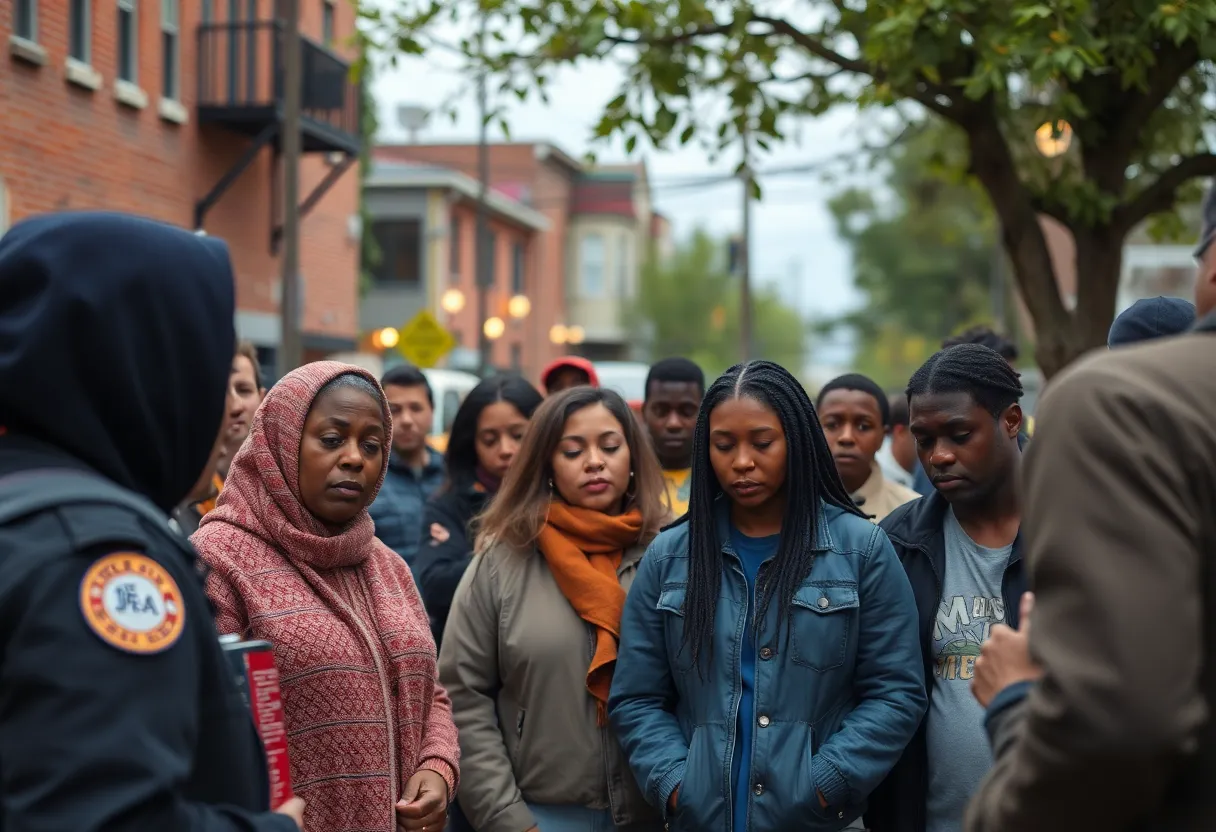
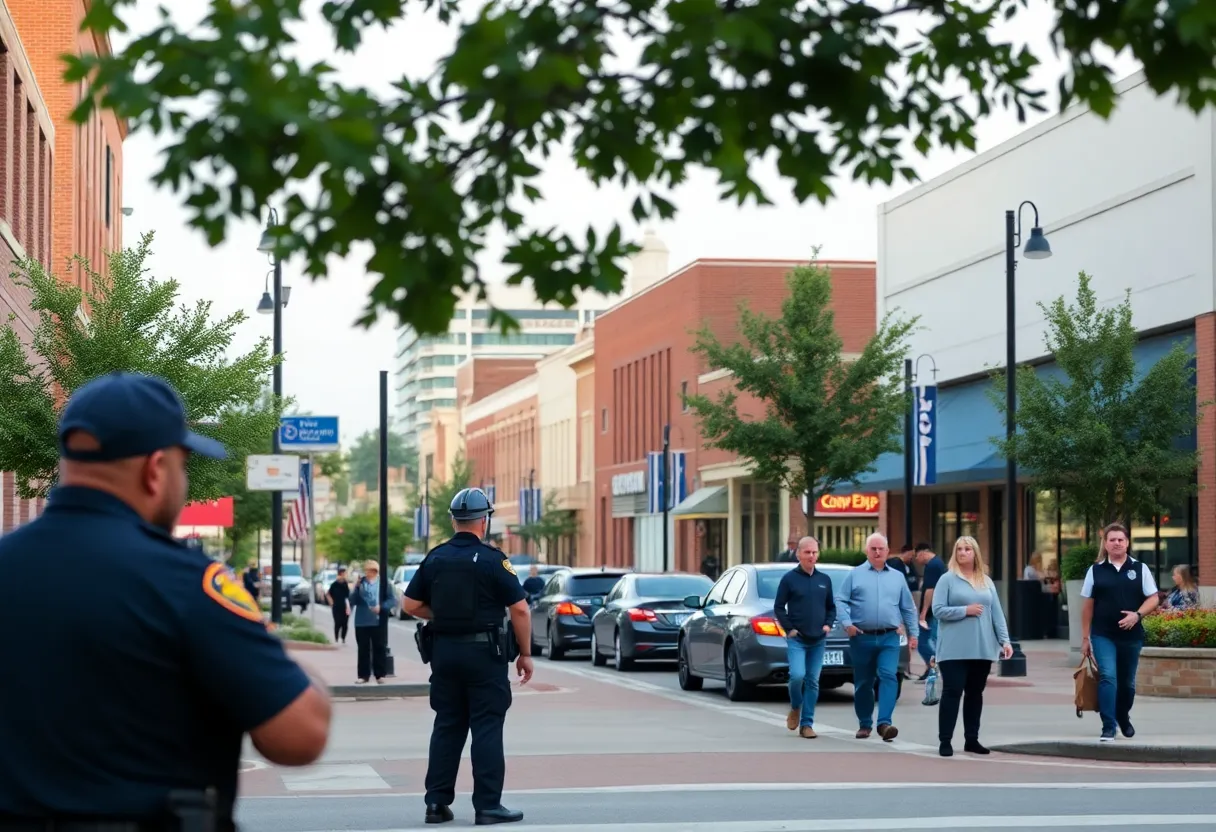
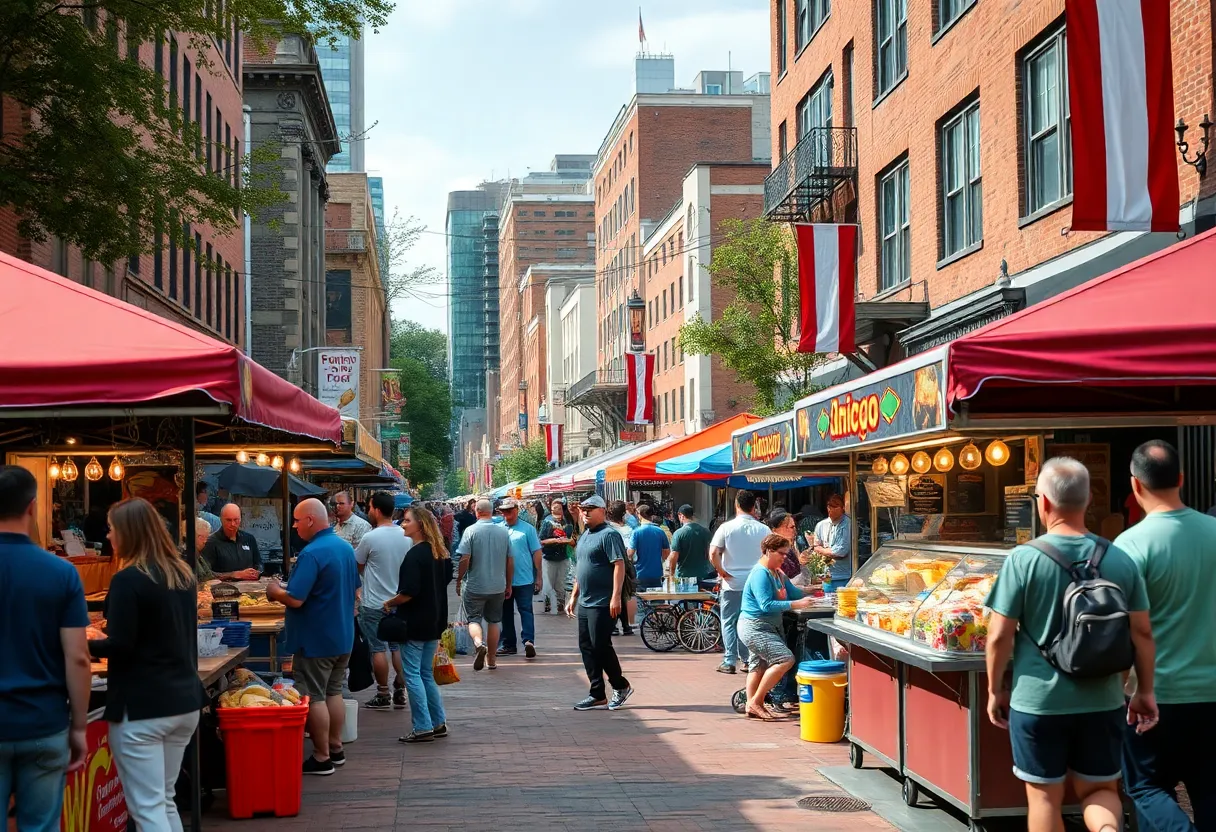
Charlotte is currently engaged in discussions over new street vending regulations aimed at balancing public safety and entrepreneurial opportunities in thriving areas like NoDa and South End. Local leaders are seeking to create a supportive environment for small-scale entrepreneurs while addressing the concerns of established businesses regarding competition and safety hazards. The city’s evolving approach reflects the challenges of managing various economic activities in its bustling neighborhoods, with ongoing dialogues expected to shape the future of street vending regulations.
Charlotte
Balancing Commerce: Charlotte Debates Street Vending Regulations in Thriving Neighborhoods
Charlotte, a city celebrated for its dynamic growth and entrepreneurial spirit, is currently navigating a pivotal discussion concerning the future of street vending. As vibrant districts like NoDa and South End continue to flourish, local leaders and business owners are seeking to strike a balance between fostering small-scale entrepreneurial endeavors and ensuring orderly commerce and public safety. This conversation highlights the intricate dance between supporting grassroots business innovation and establishing sensible frameworks for economic activity in burgeoning urban areas.
The city’s approach to street vending has evolved, reflecting the ongoing efforts to create environments where both established storefronts and mobile entrepreneurs can thrive. This debate underscores a fundamental question for many growing cities: how to best support diverse economic participation while maintaining the quality of life and business climate that attract residents and investment. Thoughtful regulation can protect the investments of traditional businesses while still allowing flexible, low-barrier entry for new ventures, promoting a healthy and competitive marketplace for all Charlotte small businesses.
Current Landscape: Uptown Regulations and the NoDa Pilot Program
Currently, street vending regulations in Charlotte vary significantly across different areas. The Uptown area, designated as a Congested Business District, generally prohibits vending unless specific city-authorized exceptions or permits are obtained. This structured approach aims to manage foot traffic and ensure clear access in the city’s central business hub.
Recently, the NoDa neighborhood operated under a six-month pilot program. This initiative required street vendors to obtain permits and restricted vending to designated areas. The program also increased fines for violations. However, the NoDa pilot program officially concluded on February 15, 2026, leading to the effective banning of street vending in the area, with illegal activities now subject to a $500 fine.
Expanding the Framework: Proposed Changes for NoDa and South End
Following the expiration of the NoDa pilot, the Charlotte City Council is actively considering significant changes to citywide street vending regulations. Key proposals involve expanding these regulations beyond the existing Congested Business District to encompass other high-traffic areas, including NoDa and South End. A crucial aspect of the proposed changes is the potential introduction of a Class III misdemeanor as an enforcement option for illegal vending, moving beyond the current system of civil citations.
These discussions aim to address the complexities that arise from increased street vending activity in popular districts. The intent is to develop a consistent and enforceable framework that supports the city’s economic vitality while mitigating potential challenges associated with unregulated commerce.
Perspectives of Established Businesses: Leveling the Playing Field
Many brick-and-mortar business owners in areas like South End and NoDa have voiced concerns regarding the current state of street vending. A primary point of contention revolves around what they perceive as an uneven playing field. Established businesses highlight the significant financial and procedural hurdles they navigate, including substantial investments in physical storefronts, adherence to health department permits, insurance requirements, and various taxes and operational costs.
Conversely, some unregulated street vendors may operate without these overheads, leading to concerns about unfair competition. Business owners also point to issues such as sidewalk congestion, which can impede customer access to storefronts, and potential public safety hazards from unregulated operations, particularly concerning food vendors who may not undergo health inspections. These concerns underscore a desire for regulations that ensure equity and safety across all commercial activities in Charlotte.
Championing Entrepreneurship: The Vendor Perspective
On the other side of the discussion are the street vendors themselves and their advocates, who emphasize the vital role vending plays in Charlotte’s local economy and vibrant community culture. For many, street vending represents a crucial pathway to entrepreneurship and a source of livelihood. Vendors argue that their presence adds character, diversity, and an accessible entry point for new businesses, contributing to the unique atmosphere of neighborhoods like NoDa.
Some established businesses, particularly in NoDa, have even noted that street vendors can be beneficial, drawing more visitors and foot traffic to the area, which in turn can positively impact surrounding shops and restaurants. This perspective highlights the importance of fostering an environment that nurtures the entrepreneurial spirit and allows individuals to pursue their business aspirations with minimal barriers, recognizing the contribution of every participant to the Charlotte NC business landscape.
Navigating Community Impact and Economic Growth
The debate over street vending regulations in Charlotte reflects a broader conversation about how cities manage growth and support a diverse local economy. While structured oversight aims to address concerns about public safety, congestion, and fair competition, it also raises questions about the potential impact on emerging entrepreneurs and the unique cultural fabric of neighborhoods. The city’s Safety Committee and council members are actively seeking a solution that balances these competing interests.
A 2015 national report highlighted that street vending is a significant economic activity. It found that 96 percent of large-city vendors own their businesses, and 39 percent employ full- or part-time workers. This data illustrates the substantial economic contribution of street vendors, generating taxes and supporting local economies across the nation. As Charlotte considers its next steps, the dialogue underscores the need for policies that encourage small-business resilience and innovation while ensuring a safe and accessible urban environment for all.
Conclusion: Supporting a Dynamic Charlotte Economy
The ongoing discussions surrounding street vending regulations in Charlotte’s NoDa and South End neighborhoods are a testament to the city’s dynamic economic environment and its commitment to supporting diverse business models. Finding an optimal path forward requires careful consideration of both the challenges faced by established businesses and the opportunities sought by aspiring entrepreneurs. By fostering open dialogue and seeking innovative solutions, Charlotte can continue to cultivate an environment where entrepreneurial innovation thrives, small-business resilience is celebrated, and economic growth benefits the entire community. Residents and businesses alike are encouraged to stay engaged in these important conversations, helping to shape a prosperous and vibrant future for Charlotte’s economy.
Frequently Asked Questions About Charlotte Street Vending Regulations
Here are answers to common questions regarding the ongoing debate over street vending regulations in Charlotte:
What are the current street vending regulations in Charlotte?
Street vending is largely unregulated outside of Uptown’s Congested Business District (CBD), where permits are required. A pilot program for NoDa recently expired, effectively banning vending there and imposing fines.
What are the proposed changes to street vending regulations for NoDa and South End?
Charlotte City Council is considering expanding regulations citywide, including NoDa and South End, and introducing criminal penalties (Class III misdemeanor) for illegal vending instead of just civil citations.
What concerns do brick-and-mortar businesses have about street vending?
Brick-and-mortar businesses cite concerns about unfair competition, disparity in costs and regulatory requirements (health inspections, taxes, rent), sidewalk congestion, safety hazards, and difficulty for customers to access storefronts.
What are the arguments in favor of street vending?
Street vendors and their allies argue that vending is their livelihood and contributes to the local economy and culture. Some brick-and-mortar businesses state that vendors actually draw customers to the area, benefiting surrounding businesses.
What was the outcome of the NoDa street vending pilot program?
The NoDa street vending pilot program, which required permits and increased fines, ended on February 15, 2026, due to “negative impacts” such as congestion and safety issues, although some saw it as showing progress.
Key Features of Charlotte Street Vending Debate
| Feature | Description | Affected Areas |
|---|---|---|
| Current Status (Uptown) | Designated Congested Business District; vending generally illegal except with city-authorized permits. | Uptown Charlotte |
| NoDa Pilot Program | Required permits and had increased fines; ended February 15, 2026. | NoDa |
| Proposed Regulatory Expansion | Consideration to expand regulations citywide and to specific high-traffic areas. | NoDa, South End, Potentially Citywide |
| Proposed Penalties | Introduction of Class III misdemeanor for illegal vending, replacing civil citations. | NoDa, South End, Potentially Citywide |
| Concerns from Brick-and-Mortar Businesses | Unfair competition, disparity in operational costs, sidewalk congestion, safety hazards, and customer access. | NoDa, South End |
| Vendor Perspectives | Livelihood, cultural contribution, economic access, and attracting foot traffic for other businesses. | NoDa, South End |
| National Economic Impact of Vending | 96% of large-city vendors own businesses; 39% employ others, contributing to taxes and local economies. | Nationwide |
Deeper Dive: News & Info About This Topic
HERE Resources
Charlotte Ends Sidewalk Vending in NoDa Arts District
Crime in Charlotte-Mecklenburg Schools Approaches Pre-Pandemic Levels
CMPD Launches Operation Queen City Safe to Tackle Uptown Crime
Charlotte Police Make Major Arrests in Violent Crime Cases
Charlotte’s Evolving Job Market: Tech Shifts, Healthcare Surges
Charlotte’s Stewart Engineering Joins National Stratus
Charlotte’s Economic Engine: Innovation & Investment Drive Growth
American Express Expands in Uptown Charlotte, Creating Jobs
Charlotte: Navigating Economic Evolution with Innovation
Charlotte Weighs New Vending Rules: Balancing Opportunity and Order

Author: HERE Charlotte
The CHARLOTTE STAFF WRITER represents the experienced team at HERECharlotte.com, your go-to source for actionable local news and information in Charlotte, Mecklenburg County, and beyond. Specializing in "news you can use," we cover essential topics like product reviews for personal and business needs, local business directories, politics, real estate trends, neighborhood insights, and state news affecting the area—with deep expertise drawn from years of dedicated reporting and strong community input, including local press releases and business updates. We deliver top reporting on high-value events such as Lovin' Life Music Festival, Charlotte Pride festival, and major sporting tournaments at Bank of America Stadium. Our coverage extends to key organizations like the Charlotte Regional Business Alliance and Foundation for the Carolinas, plus leading businesses in finance and entertainment that power the local economy such as Bank of America and NASCAR. As part of the broader HERE network, including HEREAsheville.com, HEREGreensboro.com, HERERaleigh.com, and HEREOBX.com, we provide comprehensive, credible insights into North Carolina's dynamic landscape.