

Charlotte, February 17, 2026
A local towing company owner, David Satterfield, has been ordered to pay $30,000 in restitution for discriminatory practices and price gouging during the COVID-19 pandemic. This judgment from the North Carolina Attorney General underscores the importance of fair business operations. New legislation aims to prevent predatory towing practices and support ethical business conduct in Charlotte, which is crucial for community trust and economic growth.
Charlotte Towing Company Faces Judgment: A Focus on Fair Business Practices
Charlotte’s vibrant business landscape thrives on innovation and ethical conduct. Recent developments involving a local towing company highlight the critical importance of maintaining fair and transparent practices to foster trust and ensure equitable economic opportunities for all entrepreneurs and residents in our community.
This situation underscores the ongoing commitment to upholding standards that benefit consumers and honest businesses, promoting a marketplace where integrity and adherence to established guidelines are paramount for sustainable growth and community well-being. Ensuring clear regulations and their consistent enforcement can help prevent incidents that detract from the positive momentum of Charlotte’s small business sector.
Judgment Issued Against Charlotte Towing Operator
A Charlotte towing company owner, David Jewel Satterfield, and his companies, A1 Towing Solutions and Automobile Recovery and Parking Enforcement, have been ordered to pay $30,000 in restitution to individuals impacted by his actions. This judgment also imposes significant operational restrictions on his businesses.
Allegations of Discriminatory Practices and Price Gouging
The North Carolina Attorney General’s office announced a judgment against Satterfield, who was accused of racially targeting drivers and charging excessive fees, particularly during the COVID-19 pandemic.
The Department of Justice initiated legal action in 2020, alleging that Satterfield’s companies booted and towed trucks that were involved in delivering essential supplies such as food, water, and medical goods during the pandemic. Reports indicated that fees for vehicle release could reach up to $4,000.
It was further alleged that some drivers had valid parking permits or parked their vehicles before towing notices were installed, yet their vehicles were still towed. The Attorney General’s office later added allegations of racial discrimination against Black drivers to its existing lawsuit regarding price gouging.
Evidence of Disproportionate Tows
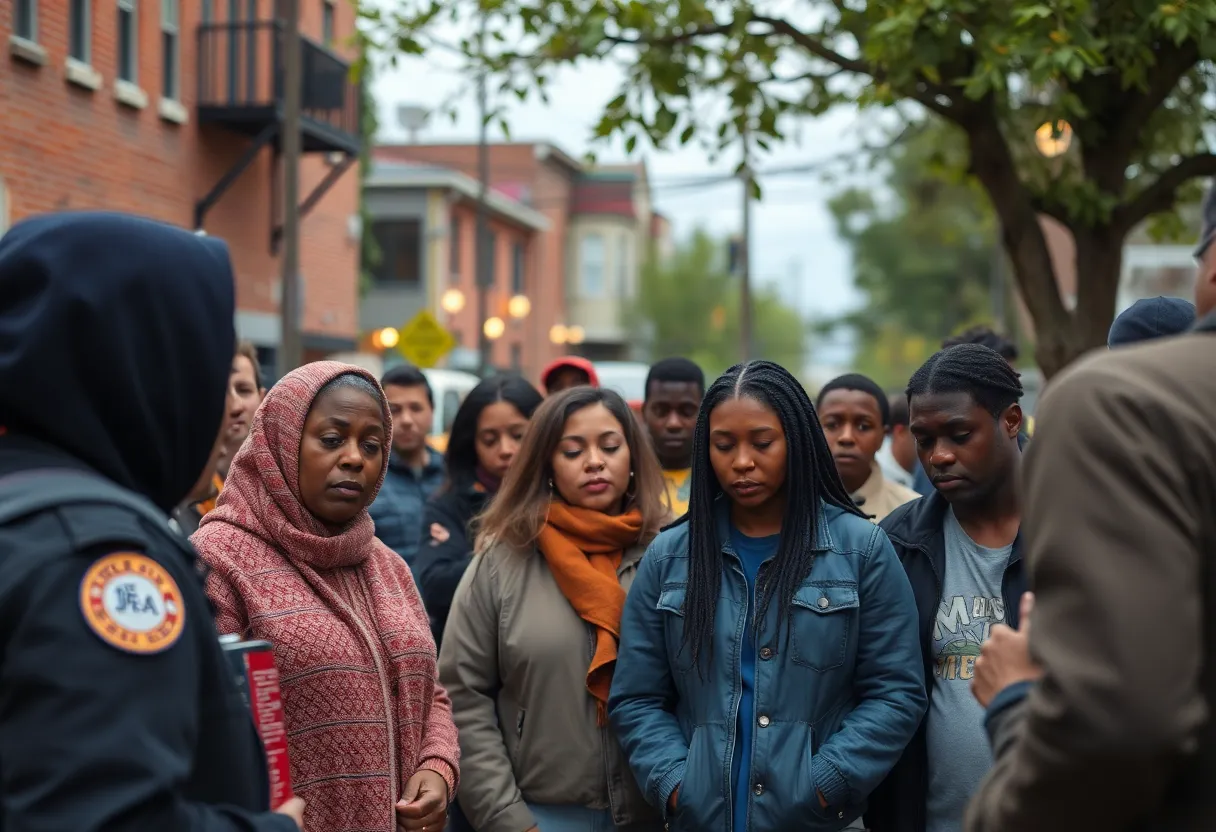
Records from the Charlotte-Mecklenburg Police Department, which monitors all county tows, revealed that Satterfield’s companies towed vehicles owned by African Americans at a disproportionately high rate. Furthermore, his operations were found to be conducted almost exclusively in areas of Charlotte with majority African American populations. Some African American consumers also alleged that Satterfield used racial slurs and engaged in assault during towing incidents.
State-Level Impact and Precedent
This case marks North Carolina’s first judgment in a discriminatory towing case, according to the Attorney General’s office. The judgment was reached through the collaborative efforts of the Department of Justice’s Consumer Protection Division and Civil Rights Unit.
Under the terms of the judgment, Satterfield and any towing companies he owns or manages are prohibited from engaging in several specific actions, including discriminatory business practices based on race or color. A $110,000 penalty to the state will be imposed if the terms of the judgment are violated.
New State-level legislation, House Bill 199, effective December 1, 2025, aims to combat predatory towing practices by creating a Towing and Recovery Commission to oversee fair practices and setting clear fee structures. This law will ban the booting of semi-trucks Statewide.
Local Regulations and Community Support for Ethical Business
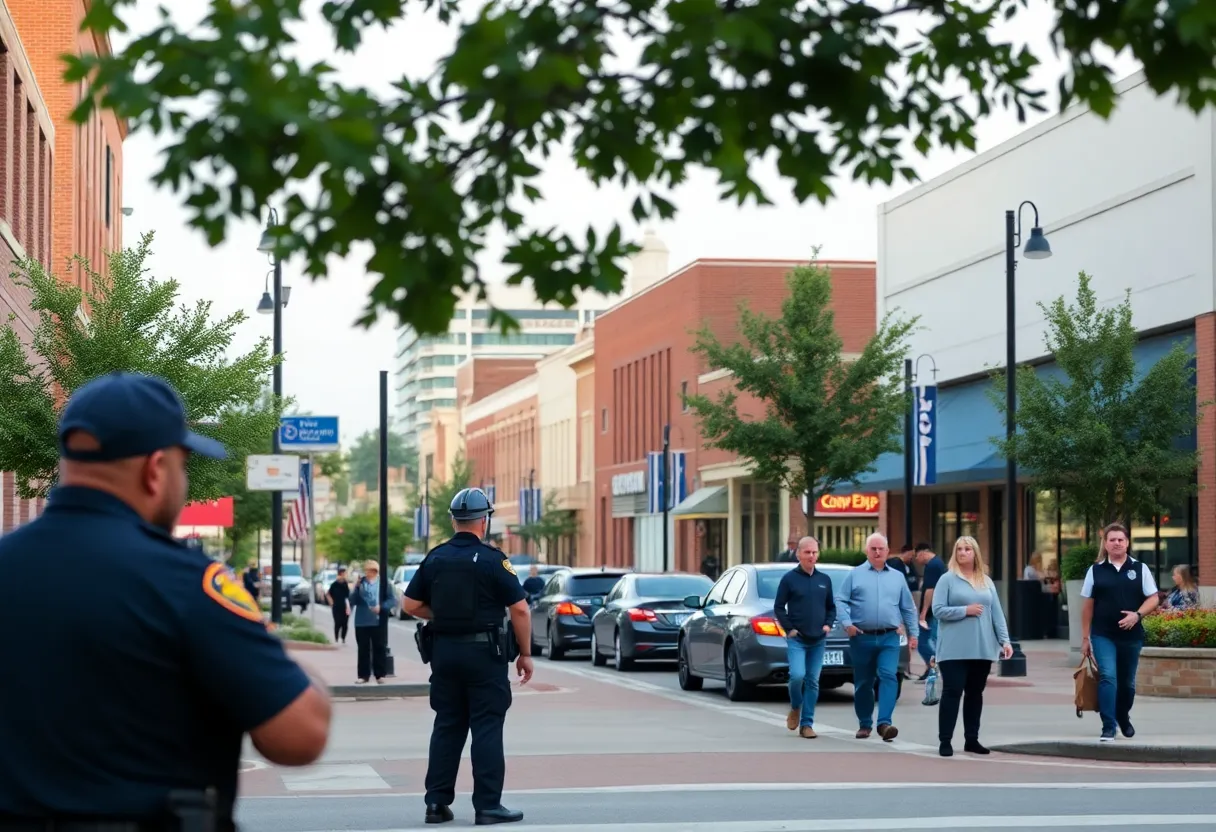
Charlotte has local ordinances designed to regulate towing practices from private parking lots. These regulations require clear notice to be posted, specify conditions for towing, and mandate that towed vehicles be made available for retrieval within a certain timeframe.
The city’s commitment to supporting Charlotte small business owners and entrepreneurs is evident through various programs and resources aimed at fostering growth and ensuring ethical business environments. Initiatives such as AMP Up Charlotte and NXT|CLT focus on preparing minority business owners for strategic growth, while the Charlotte Community Capital Fund assists with access to capital. Organizations like the CLT Alliance Foundation also actively support local entrepreneurs, recognizing that a vibrant community of over 40,000 small businesses forms the backbone of the regional economy.
Conclusion
The judgment against a Charlotte towing company serves as a crucial reminder of the importance of fair and ethical business operations in fostering a robust and equitable economic environment. While unfortunate, such incidents underscore the necessity of strong regulatory frameworks and diligent enforcement to protect consumers and uphold the principles of fair competition. Charlotte continues to champion its North Carolina entrepreneurs and small businesses through various support systems, emphasizing that adherence to the law and a commitment to community well-being are fundamental to sustained prosperity. We encourage all residents and businesses to stay informed about local regulations and support enterprises that demonstrate unwavering integrity, contributing to a thriving and just Charlotte NC business landscape.
Frequently Asked Questions
- What was the judgment against the Charlotte towing company owner?
- The Charlotte towing company owner, David Jewel Satterfield, and his companies, A1 Towing Solutions and Automobile Recovery and Parking Enforcement, were ordered to pay $30,000 in restitution to individuals impacted by his actions, along with facing significant operational restrictions.
- What were the primary allegations against the towing company?
- The primary allegations included racially targeting drivers and charging excessive fees, particularly during the COVID-19 pandemic. It was also alleged that vehicles delivering essential supplies were booted and towed, with release fees up to $4,000.
- Did the allegations include racial discrimination?
- Yes, the North Carolina Attorney General’s office added allegations of racial discrimination against Black drivers, noting that records showed vehicles owned by African Americans were towed at disproportionately high rates, and operations were conducted almost exclusively in majority African American areas of Charlotte.
- What is the significance of this case at the State-level?
- This case marks North Carolina’s first judgment in a discriminatory towing case, setting a precedent for similar situations Statewide.
- Are there new State-level laws addressing predatory towing?
- Yes, House Bill 199, effective December 1, 2025, is a new State-level law in North Carolina aimed at combating predatory towing practices. It will establish a Towing and Recovery Commission, set clear fee structures, and ban the booting of semi-trucks Statewide.
Key Aspects of the Charlotte Towing Case
| Aspect | Details | Scope |
|---|---|---|
| Parties Involved | David Jewel Satterfield, A1 Towing Solutions, Automobile Recovery and Parking Enforcement | Charlotte, NC |
| Allegations | Racial discrimination, price gouging (up to $4,000 for vehicle release), illegal towing/booting of essential supply trucks during COVID-19 pandemic | Charlotte, NC |
| Judgment Outcome | $30,000 restitution to victims, significant operational restrictions, $110,000 penalty for violations | State-level |
| Precedent Set | North Carolina’s first judgment in a discriminatory towing case | State-level |
| Evidence of Discrimination | Disproportionately high rates of towing vehicles owned by African Americans, operations almost exclusively in majority African American areas of Charlotte | Charlotte, NC |
| New State-level Legislation | House Bill 199 (effective Dec 1, 2025) to regulate towing, set fee structures, ban semi-truck booting | State-level |
Deeper Dive: News & Info About This Topic
HERE Resources
I-85 in Kannapolis Reopens After Massive Pileup
I-85 South Lanes Reopened After Tractor-Trailer Overturn in Kannapolis
Tragic Stowaway Incident at Charlotte Douglas Airport
Tragic Stowaway Discovery at Charlotte Airport
Tragic Discovery at Charlotte Douglas International Airport
Stowaway Found Dead in American Airlines Plane in Charlotte
Tragic Accident on I-485 Near Charlotte Claims Six Lives
Vandalism Spree in Charlotte Publix Parking Lot
North Carolina Proposes Significant Off-Street Parking Reform
U.S. Air Force Stops Training on Tuskegee Airmen and WASPs

Author: HERE Charlotte
The CHARLOTTE STAFF WRITER represents the experienced team at HERECharlotte.com, your go-to source for actionable local news and information in Charlotte, Mecklenburg County, and beyond. Specializing in "news you can use," we cover essential topics like product reviews for personal and business needs, local business directories, politics, real estate trends, neighborhood insights, and state news affecting the area—with deep expertise drawn from years of dedicated reporting and strong community input, including local press releases and business updates. We deliver top reporting on high-value events such as Lovin' Life Music Festival, Charlotte Pride festival, and major sporting tournaments at Bank of America Stadium. Our coverage extends to key organizations like the Charlotte Regional Business Alliance and Foundation for the Carolinas, plus leading businesses in finance and entertainment that power the local economy such as Bank of America and NASCAR. As part of the broader HERE network, including HEREAsheville.com, HEREGreensboro.com, HERERaleigh.com, and HEREOBX.com, we provide comprehensive, credible insights into North Carolina's dynamic landscape.