

Charlotte, North Carolina, December 19, 2025
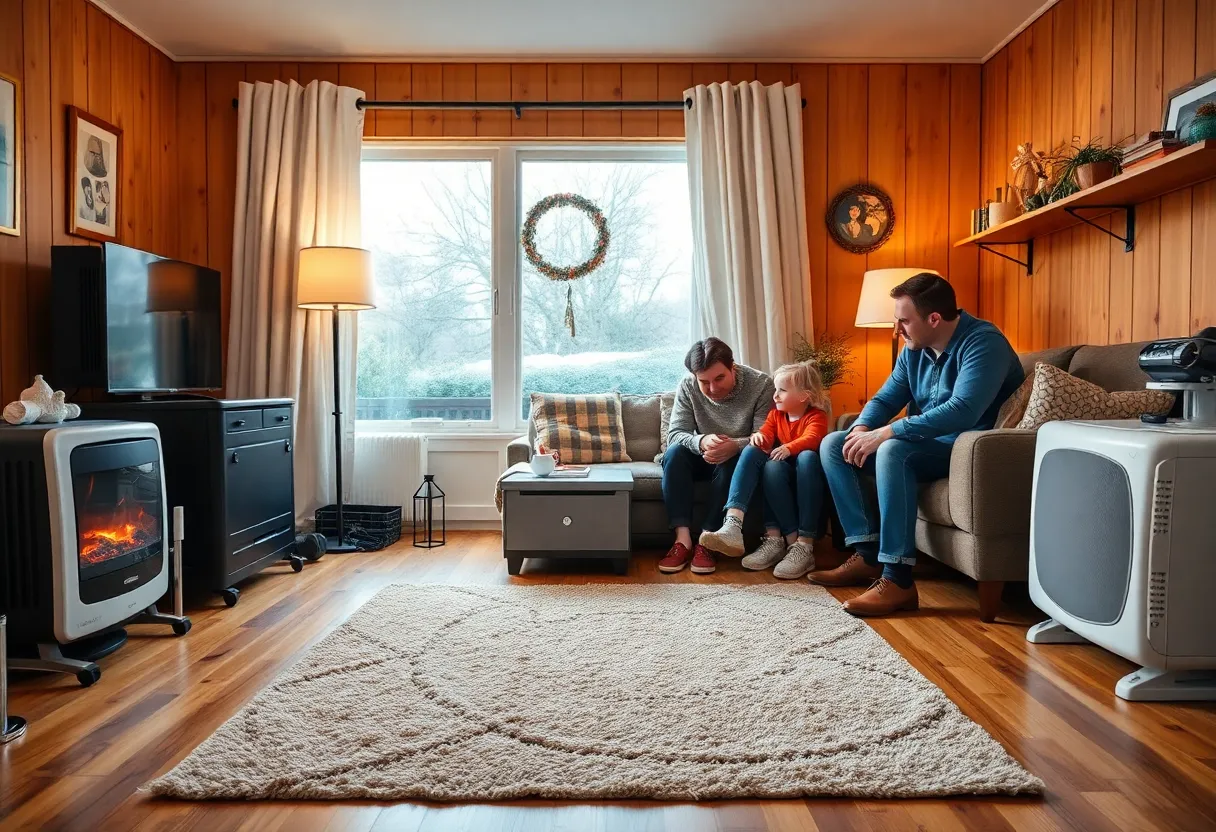
As winter approaches, the American Red Cross is urging North Carolina residents to prioritize home heating safety due to a 26% increase in home fires since November 1st compared to last year. The agency highlights heating equipment as a leading cause of these fires, especially during colder months. Residents are encouraged to follow fire safety guidelines, including the three-foot rule around heating devices and ensuring smoke alarms are functioning properly. Such measures can significantly reduce risks and protect families from heating-related tragedies.
Charlotte, North Carolina
The American Red Cross is urging residents across North Carolina to prioritize home heating safety as the official start of winter approaches, following a notable 26% increase in home fires across the state since November 1st compared to last year. This warning comes as heating equipment remains a leading cause of home fires nationwide, with incidents typically rising significantly during colder months.
Home fires represent the majority of the more than 60,000 disasters the Red Cross responds to annually across the country, and these incidents see a 30% increase during cold weather periods compared to warmer times of the year. With temperatures continuing to drop, the risk of heating-related fires becomes a critical concern for families.
Understanding the Risk of Heating Fires
Heating equipment is a significant contributor to residential blazes throughout the United States. Annually, U.S. fire departments respond to an estimated average of 38,881 home heating equipment fires, resulting in hundreds of civilian deaths, over a thousand injuries, and property damages exceeding $1 billion. Nearly half, or 46%, of all U.S. home heating equipment fires occur between December and February, highlighting winter as a particularly dangerous period.
Space Heaters: A Primary Concern
Among various heating methods, space heaters are most often responsible for home heating fires, accounting for a large share of both fires and associated fatalities and injuries. Misuse of these portable devices is a primary cause. Common mistakes include placing space heaters too close to flammable materials such as furniture, bedding, or drapes, or leaving them unattended. Additionally, plugging space heaters into extension cords can cause overheating and increase fire risk; they should always be plugged directly into a wall outlet. It is crucial to turn off portable heaters every time you leave a room or go to sleep.
Other Heating Equipment Hazards
Beyond space heaters, other heating sources also pose risks if not properly maintained and operated. Fireplaces and wood stoves can cause fires if embers escape or if chimneys are not regularly cleaned. Creosote buildup in chimneys is highly flammable and can ignite, leading to chimney fires. It is recommended to use a metal or glass fire screen to contain embers and to ensure all embers are completely extinguished before going to bed or leaving the home.
Furnaces and central heating systems require annual professional inspections and cleaning to prevent malfunctions that could lead to fires. Dirty air filters can restrict airflow, causing motors to overheat, and faulty wiring or mechanical failures can also present fire hazards.
An unsafe practice is using cooking ranges or ovens to heat a home, which is strongly discouraged due to significant fire and carbon monoxide risks.
Essential Fire Safety Measures
To mitigate the increased risk of home fires during winter, the Red Cross and other safety organizations emphasize several key preventive actions:
The Three-Foot Rule
Maintain at least three feet of clear space around all heating equipment, including furnaces, fireplaces, wood stoves, and space heaters. This safety zone should be free of anything that can burn, such as furniture, curtains, clothing, and bedding. Children and pets should also be kept outside this safety perimeter.
Smoke Alarms and Carbon Monoxide Detectors
Working smoke alarms are critical for early warning, reducing the risk of dying in a home fire by more than half. Install smoke alarms on every level of the home, inside and outside sleeping areas, and test them monthly. Replace batteries annually unless they are 10-year lithium batteries. Additionally, install carbon monoxide detectors in any room with a carbon-fueled appliance to guard against invisible, odorless gas leaks.
Home Fire Escape Plans
Develop and regularly practice a home fire escape plan with all household members. This ensures everyone knows two ways out of every room and where to meet outside the home. The goal is to be able to escape a burning home in less than two minutes, which is often the critical window available from the time a smoke alarm sounds.
Community Impact and Resources
The American Red Cross Home Fire Campaign has been instrumental in enhancing fire safety across the country. Since October 2014, this campaign, in collaboration with community partners, has saved thousands of lives by educating families, assisting with escape plans, and installing free smoke alarms in high-risk communities. In North Carolina alone, these efforts have saved at least 93 lives. If individuals cannot afford smoke alarms or are physically unable to install them, the Red Cross may be able to provide assistance.
By taking proactive steps and adhering to safety guidelines, residents can significantly reduce the risk of home heating fires, protect their loved ones, and prevent tragedies during the winter season.
Frequently Asked Questions About Home Heating Safety
-
Q: Why is the Red Cross urging home heating safety in North Carolina?
A: The Red Cross is urging home heating safety in North Carolina because home fires have increased by 26% since November 1st compared to last year, coinciding with the approach of winter. -
Q: What is a leading cause of home fires nationwide?
A: Heating equipment is a leading cause of home fires nationwide. -
Q: How much do home fire incidents increase during colder months?
A: Home fire incidents increase by 30% during colder months compared to warmer times of the year. -
Q: What type of heating equipment is most often responsible for home heating fires?
A: Space heaters are most often responsible for home heating fires. -
Q: What is the recommended safe distance for heating equipment from flammable materials?
A: It is recommended to maintain at least three feet of clear space around all heating equipment, including furnaces, fireplaces, wood stoves, and space heaters. -
Q: How often should smoke alarms be tested?
A: Smoke alarms should be tested monthly. -
Q: Should extension cords be used with space heaters?
A: No, space heater power cords should be plugged directly into outlets, never into an extension cord. -
Q: What should be done before going to bed if a fire is burning in the fireplace?
A: Ensure any embers in the fireplace are extinguished before going to bed or leaving home. -
Q: How often should furnaces, chimneys, and wood/coal stoves be inspected?
A: Furnaces, chimneys, fireplaces, wood and coal stoves should be inspected annually by a professional and cleaned if necessary.
Key Home Heating Safety Features
| Feature | Description | Scope |
|---|---|---|
| Increase in Home Fires (NC) | 26% rise in home fires since November 1st compared to last year in North Carolina. | State-level |
| Heating Equipment as Cause | Heating equipment is a leading cause of home fires. | Nationwide |
| Seasonal Increase | Home fire incidents increase by 30% during colder months. | Nationwide |
| Space Heater Risk | Most often responsible for home heating fires, deaths, and injuries. | Nationwide |
| Three-Foot Rule | Maintain at least three feet of clear space around all heating equipment. | Nationwide |
| Smoke Alarms | Install on every level and test monthly; replace batteries annually (or every 10 years for lithium). | Nationwide |
| Carbon Monoxide Detectors | Install in rooms with carbon-fueled appliances. | Nationwide |
| Professional Inspections | Annual inspections for furnaces, chimneys, fireplaces, and stoves. | Nationwide |
| Extension Cords for Heaters | Never use extension cords with space heaters; plug directly into outlets. | Nationwide |
| Fireplace Safety | Use a fire screen and extinguish embers before leaving or sleeping. | Nationwide |
| Cooking Ranges for Heat | Never use cooking ranges or ovens to heat your home. | Nationwide |
| Home Fire Escape Plan | Develop and practice a plan to escape within two minutes. | Nationwide |
Deeper Dive: News & Info About This Topic
HERE Resources
Mobile Home Fire Displaces Residents in Charlotte
Charlotte Faces Arctic Chill as Dangerous Wind Chills Hit
Arctic Blast Brings Severe Cold to the Carolinas
Unattended Candle Causes $325,000 in Damages in Charlotte House Fire
Energy-Saving Tips for Charlotte Residents This Winter
Tensions Escalate in Chicago Amid Immigration Enforcement Plans
Charlotte Officials Assess Local Air Conditioning Solutions
House Fire in East Charlotte Leaves One Injured
Charlotte’s Economy Faces Uncertainty Amid Tax Changes
Two Alarming Fires Rock South Charlotte Neighborhood

Author: HERE Charlotte
The CHARLOTTE STAFF WRITER represents the experienced team at HERECharlotte.com, your go-to source for actionable local news and information in Charlotte, Mecklenburg County, and beyond. Specializing in "news you can use," we cover essential topics like product reviews for personal and business needs, local business directories, politics, real estate trends, neighborhood insights, and state news affecting the area—with deep expertise drawn from years of dedicated reporting and strong community input, including local press releases and business updates. We deliver top reporting on high-value events such as Lovin' Life Music Festival, Charlotte Pride festival, and major sporting tournaments at Bank of America Stadium. Our coverage extends to key organizations like the Charlotte Regional Business Alliance and Foundation for the Carolinas, plus leading businesses in finance and entertainment that power the local economy such as Bank of America and NASCAR. As part of the broader HERE network, including HEREAsheville.com, HEREGreensboro.com, HERERaleigh.com, and HEREOBX.com, we provide comprehensive, credible insights into North Carolina's dynamic landscape.