
Huntersville, NC, February 8, 2026
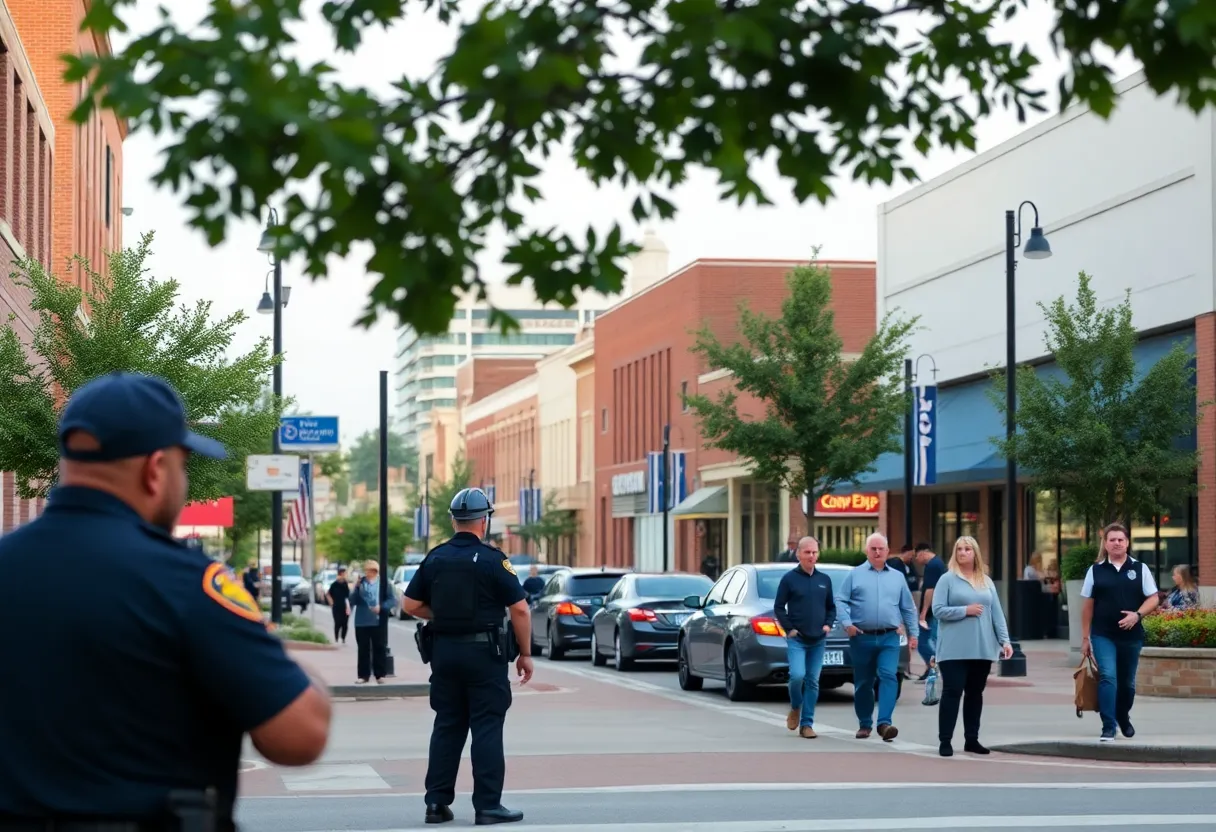
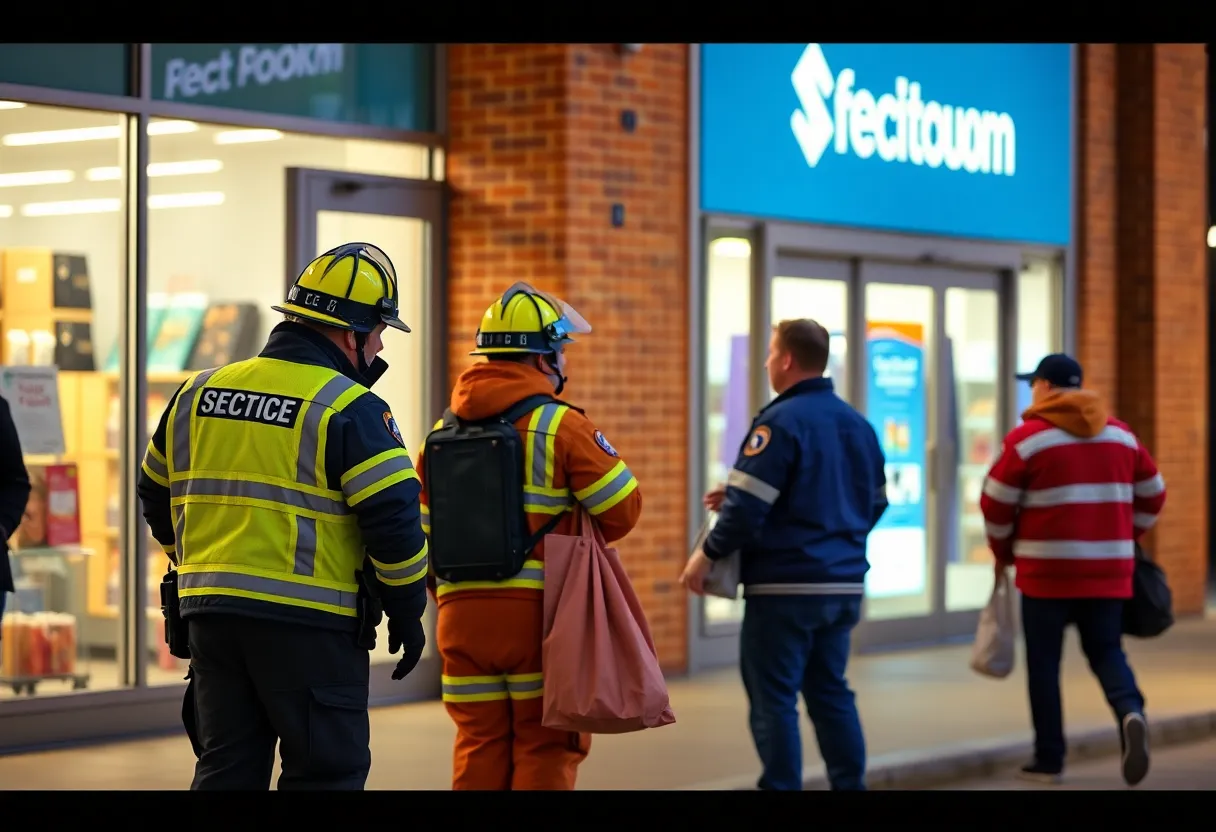
A Target store in Huntersville, NC, was evacuated due to a detected carbon monoxide leak. The Huntersville Fire Department swiftly responded to the emergency alert, ensuring safety for all store occupants. The potential sources of carbon monoxide in commercial buildings include various fuel-burning appliances. Awareness of this silent threat is crucial as it can lead to severe health risks, highlighting the need for proper detectors and safety measures in commercial spaces.
Huntersville Experiences Emergency Evacuation Due to Carbon Monoxide Leak
Huntersville, NC – A local Target store was recently evacuated following the detection of a carbon monoxide leak, prompting an immediate response from the Huntersville Fire Department. The evacuation was initiated after an alert indicated the presence of the dangerous gas within the retail establishment. Store occupants were safely moved out of the building as emergency services arrived on the scene to address the hazardous situation.
Emergency Response and Initial Findings
Upon receiving the alert, the Huntersville Fire Department swiftly responded to the Target location. The rapid detection and subsequent evacuation are critical steps in mitigating the risks associated with carbon monoxide exposure. Carbon monoxide (CO) is a highly dangerous gas because it is colorless, odorless, and tasteless, making it impossible for individuals to detect without the aid of specialized equipment. It is produced when fuels such as gas, oil, coal, and wood burn incompletely.
The immediate cause of the leak at the Huntersville Target has not been detailed, but common sources of carbon monoxide in commercial properties include a variety of fuel-burning appliances. These can range from boilers, furnaces, and water heaters to cooking equipment and heating systems. Other potential culprits include portable generators, gas-powered tools, wood-burning stoves, and vehicle exhaust that may infiltrate indoor spaces, especially in areas with poor ventilation. Malfunctioning gas appliances, leaky air ducts pulling CO indoors, and inadequate indoor ventilation can also contribute to dangerous accumulations of the gas.
Understanding the Silent Threat of Carbon Monoxide
Carbon monoxide poisoning occurs when CO builds up in the blood, replacing oxygen in red blood cells. This impedes the body’s natural ability to deliver oxygen to vital organs and tissues, particularly affecting the brain and heart. The symptoms of carbon monoxide poisoning can often be mistaken for less severe illnesses like the flu, as they include headache, dizziness, weakness, nausea or vomiting, upset stomach, chest pain, and confusion. Other symptoms may involve shortness of breath, fatigue, blurred vision, sleepiness, muscle pain, a flushed face, and even loss of vision.
Prolonged or high-level exposure to carbon monoxide can lead to severe health consequences. These include irreversible brain damage, significant heart damage, and can ultimately result in loss of consciousness, cardiac arrhythmias, seizures, or death. Individuals who are asleep, intoxicated, infants, the elderly, or those with pre-existing chronic heart disease, anemia, or breathing problems are particularly vulnerable to its effects. Nationally, carbon monoxide poisoning is a serious public health concern, with over 400 Americans dying from unintentional CO poisoning not linked to fires each year. Additionally, more than 100,000 people visit emergency departments, and over 14,000 are hospitalized annually due to carbon monoxide exposure.
Safety Measures and Regulations
The presence of carbon monoxide detectors is crucial for providing an early warning of dangerous CO levels, allowing for timely evacuation and ventilation of affected areas. For commercial properties, it is generally recommended that carbon monoxide detectors be installed on every floor, in hallways, and in rooms that contain fuel-burning equipment. However, detectors should not be placed directly in the room with the fuel-burning equipment, but rather at least 15 feet away. They are also advised near fuel-burning appliances (within 10-15 feet), in common areas, basements, mechanical rooms, and close to HVAC systems. These devices should always have a continuous electrical power supply and remain unobstructed to function effectively.
Nationwide, regulations regarding carbon monoxide detectors in commercial buildings vary significantly by state and city. There is no single overarching federal regulation mandating CO detectors in all commercial structures. However, federal legislation such as The Health and Safety at Work Act 1974 places a responsibility on employers and building owners to ensure the safety and welfare of all individuals on their premises, which may necessitate the installation of CO detectors to manage risks from harmful substances. Furthermore, the Gas Safety (Installation and Use) Regulations 1998 requires regular checks of gas appliances to prevent carbon monoxide leaks.
At the state level, various requirements exist. For example, several states, including New Hampshire, Oregon, Connecticut, Rhode Island, Pennsylvania, Washington, Vermont, Utah, and West Virginia, mandate carbon monoxide detectors in all new commercial constructions. Florida requires detectors in all new constructions and in all rooms with boilers. Specific commercial settings, such as schools and day-care centers, are required to have CO detectors in Connecticut, California, Illinois, Maryland, and Maine. Moreover, fourteen U.S. states have made the installation of carbon monoxide detectors mandatory in motels and hotels.
Beyond detector installation, proactive measures are essential. This includes annual servicing of heating systems, water heaters, and other gas, oil, or coal-burning appliances by a qualified technician. Proper venting of gas appliances is also critical, ensuring that horizontal vent pipes angle slightly upwards towards the outdoors to prevent CO leakage. Chimneys should be checked and cleaned annually to prevent blockages. The public is advised never to burn charcoal indoors, use portable gas camp stoves inside, or run vehicles or generators in enclosed spaces like attached garages.
Key Information on Carbon Monoxide Safety
| Feature | Description | Scope |
|---|---|---|
| Nature of Carbon Monoxide | Colorless, odorless, tasteless gas, byproduct of incomplete fuel combustion. | Nationwide |
| Common Commercial Sources | Boilers, furnaces, water heaters, cooking equipment, vehicle exhaust, portable generators. | Nationwide |
| Typical Symptoms of Poisoning | Headache, dizziness, nausea, confusion, weakness, shortness of breath, chest pain. | Nationwide |
| Severe Health Risks | Brain damage, heart damage, loss of consciousness, seizures, death. | Nationwide |
| Vulnerable Populations | Infants, elderly, those with chronic heart disease, individuals asleep or intoxicated. | Nationwide |
| Detector Placement (Commercial) | On every floor, in hallways, and rooms with fuel-burning equipment (at least 15 feet away). | General Safety Guideline |
| Commercial CO Detector Regulations | Vary by state; no overarching federal mandate for all commercial buildings. Several states require them in new constructions, schools, day-care centers, hotels/motels. | State-level |
| Preventive Maintenance | Annual servicing of heating systems and appliances, proper venting, chimney cleaning. | Nationwide |
Deeper Dive: News & Info About This Topic
HERE Resources
American Red Cross Urges Home Heating Safety in North Carolina

Author: HERE Charlotte
The CHARLOTTE STAFF WRITER represents the experienced team at HERECharlotte.com, your go-to source for actionable local news and information in Charlotte, Mecklenburg County, and beyond. Specializing in "news you can use," we cover essential topics like product reviews for personal and business needs, local business directories, politics, real estate trends, neighborhood insights, and state news affecting the area—with deep expertise drawn from years of dedicated reporting and strong community input, including local press releases and business updates. We deliver top reporting on high-value events such as Lovin' Life Music Festival, Charlotte Pride festival, and major sporting tournaments at Bank of America Stadium. Our coverage extends to key organizations like the Charlotte Regional Business Alliance and Foundation for the Carolinas, plus leading businesses in finance and entertainment that power the local economy such as Bank of America and NASCAR. As part of the broader HERE network, including HEREAsheville.com, HEREGreensboro.com, HERERaleigh.com, and HEREOBX.com, we provide comprehensive, credible insights into North Carolina's dynamic landscape.