
Charlotte, NC, February 7, 2026
The Mecklenburg County Sheriff’s Office has initiated a reformed Traffic Unit aimed at enhancing road safety across Mecklenburg County. This specialized team, officially established on October 16, focuses on traffic enforcement and crash investigations. With the goal of improving response times and reducing crime, the unit conducted over 3,500 traffic stops in its first operational year. Additionally, the deputies have received advanced training on state systems for crash documentation, demonstrating a commitment to effective traffic management and community safety.
Charlotte, NC
Mecklenburg County Sheriff’s Office Launches Reformed Traffic Unit to Enhance Road Safety
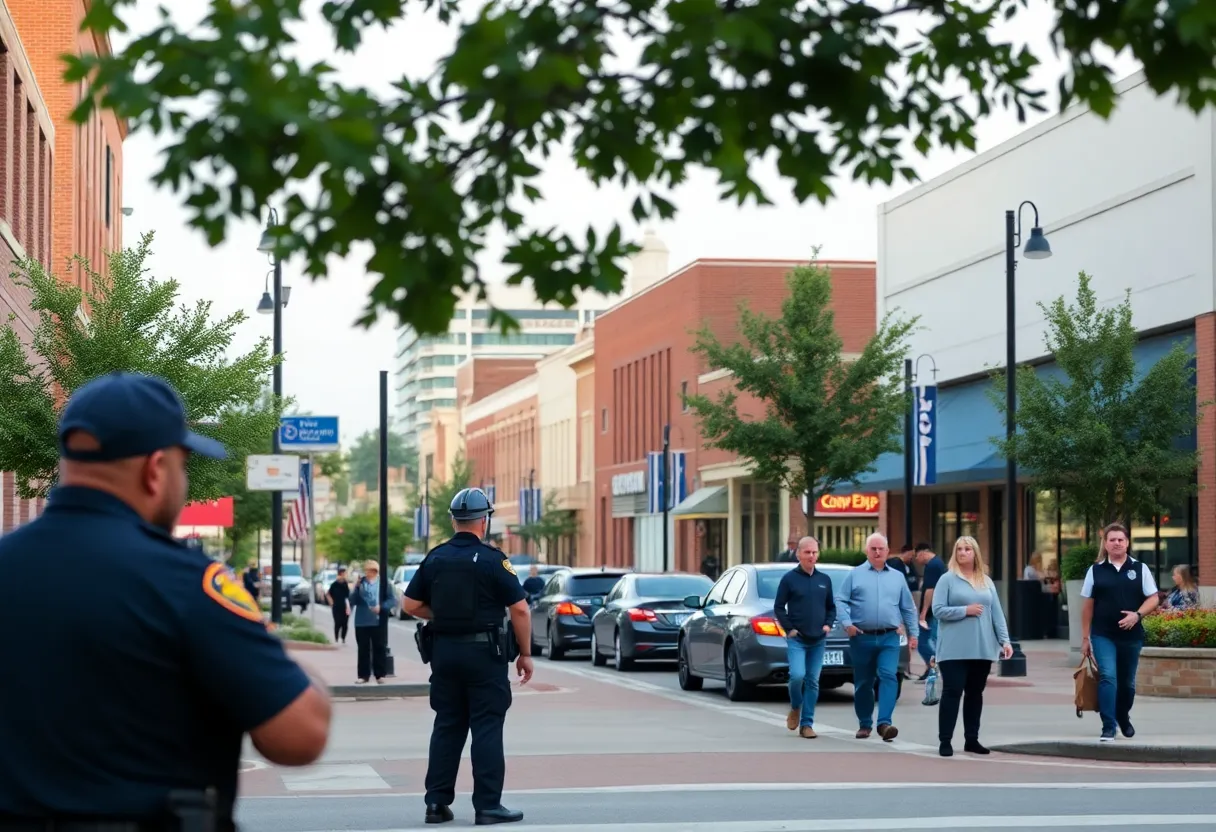
The Mecklenburg County Sheriff’s Office (MCSO) has launched a newly reformed Traffic Unit, a specialized team dedicated to comprehensive traffic enforcement and crash investigations across Mecklenburg County. This initiative, officially re-emphasized in recent days, aims to significantly bolster roadway safety, reduce crime, and improve response times for traffic-related incidents throughout the area. The unit, which was formally established on October 16, 2024, is now fully operational with specially trained deputies focusing exclusively on traffic stops and roadway safety. This strategic move is expected to alleviate workload pressures on other local agencies, including the North Carolina State Highway Patrol and the Charlotte-Mecklenburg Police Department, by providing dedicated personnel for traffic management.
Expanded Focus and Early Impact of the Traffic Unit
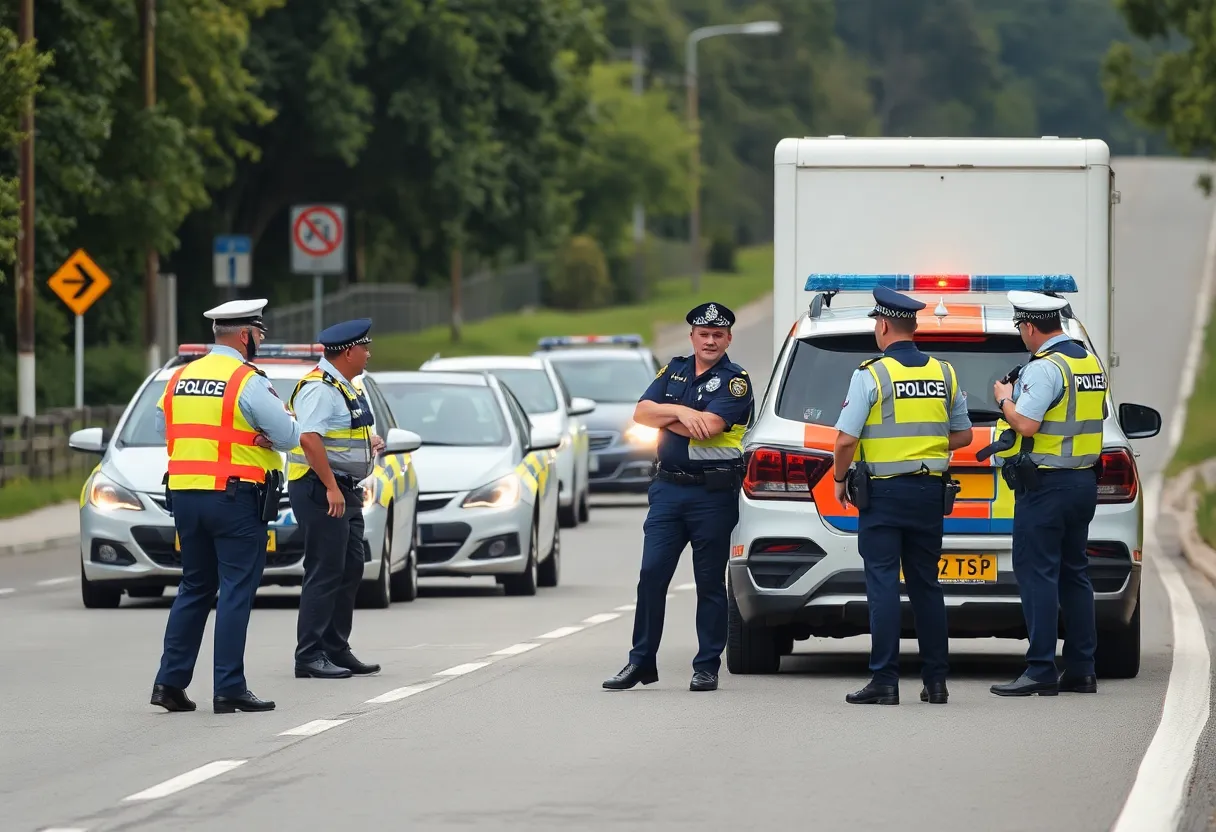
The reformed Traffic Unit represents a focused effort by the MCSO to proactively address traffic issues and their broader impact on community safety. During its initial full year of operation in 2025, the unit demonstrated considerable activity, conducting more than 3,500 traffic stops. These efforts led to 31 arrests, with several instances resulting in drug charges and the seizure of firearms, underscoring the unit’s role in crime reduction beyond just traffic violations.
The establishment of this specialized unit ensures that the sheriff’s office has trained personnel solely dedicated to managing traffic incidents, which were previously handled by deputies as part of their general daily duties. Sheriff Garry McFadden indicated that the specialized team will reduce response times for traffic incidents and decrease the reliance on other law enforcement entities for assistance. He anticipates that the traffic unit will expand further as the initiative progresses.
Advanced Training and Technology Integration
A crucial component of the unit’s recent operational enhancement involved intensive specialized training for its deputies. In August 2025, seven deputies underwent a rigorous, week-long training program led by state troopers. This comprehensive training included both classroom instruction and hands-on exercises, covering essential skills such as marking accident scenes and utilizing distance-measuring tools in simulated crash environments.
Furthermore, the training certified deputies to effectively use the state’s Traffic Records and Crash System, commonly known as TraCS. This application, provided by the North Carolina Division of Motor Vehicles, is designed to allow law enforcement agencies to document crash data electronically. The Mecklenburg County Sheriff’s Office Traffic Unit received official authorization to begin using the TraCS system on January 2, 2026. Since gaining access to this advanced reporting system, the unit has already completed five crash investigations, demonstrating its readiness and capacity to report on-site. This capability is vital for reducing call response times and enhancing the efficiency of crash documentation and investigation.
Broader Context of Traffic Enforcement in Mecklenburg County
The renewed focus on a dedicated traffic unit by the MCSO builds upon previous adjustments to traffic enforcement policies within Mecklenburg County. In 2022, the Mecklenburg County Sheriff’s Office implemented significant changes to its Uniform Traffic Enforcement Policy, which included ending administrative traffic stops for non-moving violations. This policy adjustment meant that deputies could only charge drivers with offenses such as driving without a valid license, lack of insurance, or outdated inspections if they had first stopped the vehicle for a more serious or potentially hazardous violation. Regulatory offenses could not serve as the sole reason for a traffic stop.
This earlier policy shift was a response to concerns about racial disparities in traffic stops within North Carolina, where data indicated that Black drivers were disproportionately affected by stops, particularly for regulatory infractions. Black individuals constitute 22% of North Carolina’s population but accounted for 30% of traffic stops, while White individuals made up 69% of the population and 60% of stops, according to law enforcement data at the time. By focusing on more serious violations, the MCSO aimed to promote equal treatment under the law and encourage deputies to prioritize dangerous traffic offenses.
The current establishment of the reformed Traffic Unit emphasizes the ongoing commitment to road safety while also integrating lessons from past policy adjustments. While the Mecklenburg County Sheriff’s Office handles county-wide enforcement, the Charlotte-Mecklenburg Police Department (CMPD) also operates within the county, with its own traffic safety initiatives. For instance, in January 2025, the CMPD sought a grant to enforce traffic laws in areas with high rates of crashes and speeding, reflecting a broader, multi-agency effort to address traffic concerns in the Charlotte metropolitan area. The comprehensive approach by the MCSO’s dedicated unit is poised to complement these wider efforts, contributing to safer roads and a reduction in overall crime across Mecklenburg County.
Frequently Asked Questions
What is the Mecklenburg County Sheriff’s Office Traffic Unit?
The Mecklenburg County Sheriff’s Office Traffic Unit is a specialized team dedicated to traffic enforcement and crash investigations throughout Mecklenburg County.
When was the Traffic Unit officially established?
The Traffic Unit was officially established on October 16, 2024.
What are the primary goals of the Traffic Unit?
The primary goals of the Traffic Unit are to bolster roadway safety, reduce crime, and improve response times for traffic-related incidents.
What activities did the Traffic Unit undertake in 2025?
In 2025, the Traffic Unit conducted more than 3,500 traffic stops and made 31 arrests, with some leading to drug charges and firearm seizures.
What specialized training did the deputies receive?
Seven deputies underwent a week-long specialized training in August 2025, led by state troopers, covering accident scene marking, distance-measuring tools, and the TraCS system.
What is the TraCS system?
The TraCS system is the state’s Traffic Records and Crash System, a North Carolina Division of Motor Vehicles application for electronically documenting crash data.
When did the Traffic Unit begin using the TraCS system?
The Traffic Unit began using the TraCS system on January 2, 2026.
How many crash investigations has the unit completed using TraCS since January 2026?
Since gaining access to the TraCS system on January 2, 2026, the unit has completed five crash investigations.
What was a notable change in MCSO’s traffic enforcement policy in 2022?
In 2022, the Mecklenburg County Sheriff’s Office ended administrative traffic stops for non-moving violations, meaning such violations could not be the sole basis for a stop unless a more serious offense occurred.
Key Features of the Mecklenburg County Sheriff’s Office Reformed Traffic Unit
| Feature | Description | Scope |
|---|---|---|
| Establishment Date | October 16, 2024 | Local (Mecklenburg County) |
| Primary Objectives | Traffic enforcement, crash investigations, enhanced road safety, crime reduction, improved response times | Local (Mecklenburg County) |
| 2025 Activities | Over 3,500 traffic stops, 31 arrests (including drug charges and firearm seizures) | Local (Mecklenburg County) |
| Specialized Training | Week-long program in August 2025 for 7 deputies, led by state troopers | State-level (North Carolina, for training standards) & Local (Mecklenburg County, for deputies) |
| Training Focus | Accident scene marking, distance-measuring tools, TraCS system certification | Local (Mecklenburg County) |
| TraCS System | North Carolina Division of Motor Vehicles application for electronic crash data documentation | State-level (North Carolina) |
| TraCS Authorization Date | January 2, 2026 | Local (Mecklenburg County) |
| Recent TraCS Usage | 5 crash investigations completed since January 2, 2026 | Local (Mecklenburg County) |
| Sheriff’s Vision | Anticipates unit expansion, ensures trained personnel dedicated to safer roadways and crime reduction | Local (Mecklenburg County) |
| Contextual Policy Change (2022) | Ended administrative traffic stops for non-moving violations as a sole basis, aiming to address racial disparities | Local (Mecklenburg County) & State-level (North Carolina, for disparity context) |
Deeper Dive: News & Info About This Topic
HERE Resources
Fatal Pedestrian Accident in East Charlotte
Charlotte Experiences Dual Public Safety Incidents
Charlotte Police Make Major Arrests in Violent Crime Cases
Charlotte Faces Morning Commute Disruption Following Fatal I-485 Crash
Road Safety Concerns Highlighted by Recent Crash on Tuckaseegee Road
Police Neutralize Threat After Shots Fired on Wilson Lee Boulevard
Bessemer City High School Fire Investigation Ongoing
Four Arrested Following Northwest Charlotte Hotel Shooting
Multi-Vehicle Crash with Injuries at Ballantyne Intersection
Pedestrian Fatality Reported on North Tryon Street

Author: HERE Charlotte
The CHARLOTTE STAFF WRITER represents the experienced team at HERECharlotte.com, your go-to source for actionable local news and information in Charlotte, Mecklenburg County, and beyond. Specializing in "news you can use," we cover essential topics like product reviews for personal and business needs, local business directories, politics, real estate trends, neighborhood insights, and state news affecting the area—with deep expertise drawn from years of dedicated reporting and strong community input, including local press releases and business updates. We deliver top reporting on high-value events such as Lovin' Life Music Festival, Charlotte Pride festival, and major sporting tournaments at Bank of America Stadium. Our coverage extends to key organizations like the Charlotte Regional Business Alliance and Foundation for the Carolinas, plus leading businesses in finance and entertainment that power the local economy such as Bank of America and NASCAR. As part of the broader HERE network, including HEREAsheville.com, HEREGreensboro.com, HERERaleigh.com, and HEREOBX.com, we provide comprehensive, credible insights into North Carolina's dynamic landscape.