
Charlotte, North Carolina, November 26, 2025
North Carolina’s hemp industry is grappling with potential devastation due to new federal legislation imposing stricter THC limits on hemp-derived products. The upcoming regulations, effective November 2026, threaten the legality of many popular products and could lead to significant business closures statewide. In response, lawmakers are considering state-level initiatives to ensure the sustainability of the hemp market. As businesses adjust to this uncertain regulatory landscape, the future of the hemp sector in North Carolina hangs in the balance.
North Carolina’s Hemp Industry Faces New Federal Challenges
New legislation threatens local businesses as lawmakers scramble for solutions
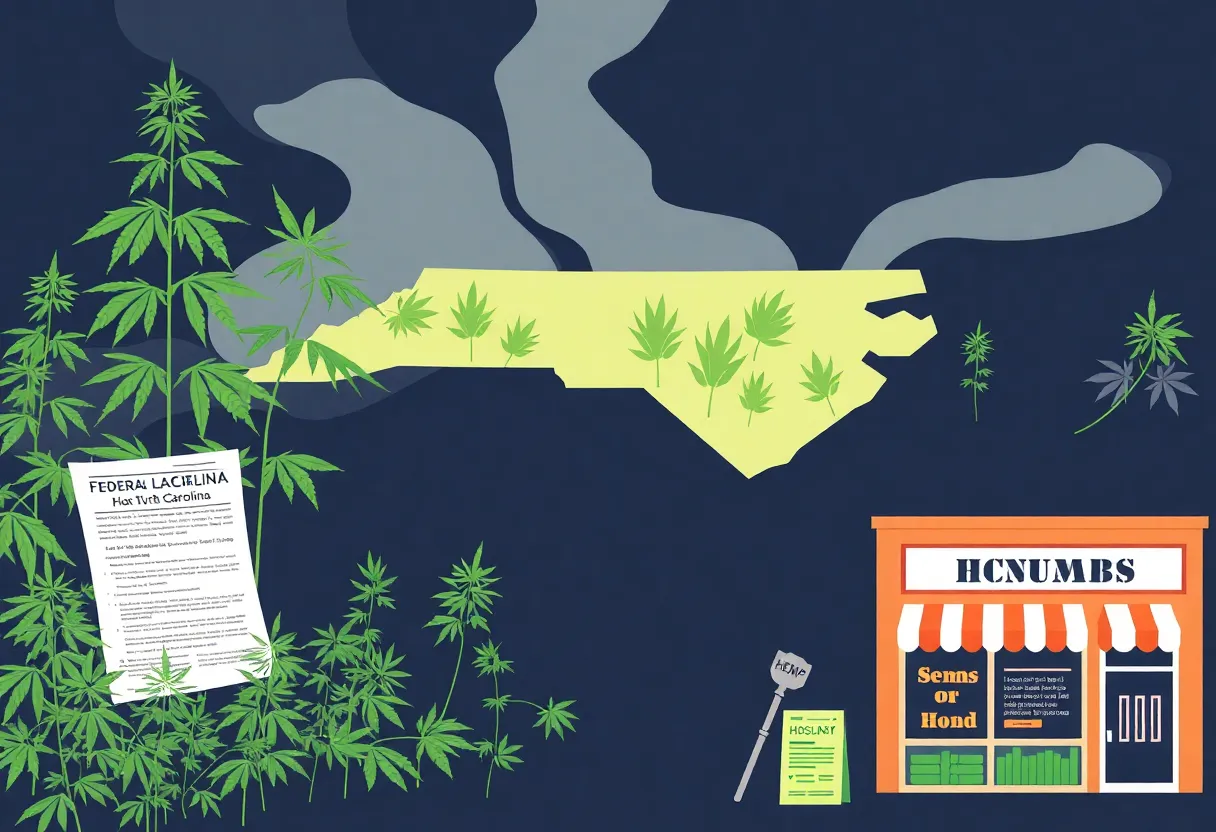
Charlotte, North Carolina – North Carolina’s hemp industry faces significant challenges due to recent federal legislation that could lead to the shutdown of numerous businesses statewide. A provision in the federal spending bill, set to take effect in November 2026, mandates that hemp-derived products contain no more than 0.4 milligrams of total THC per container. This stringent limit threatens to render most current THC-infused products, such as edibles and seltzers, illegal, potentially devastating the state’s rapidly growing hemp sector.
The new federal regulation is poised to impact a wide array of hemp-derived consumables, including popular THC-infused seltzers and gummies. Many of these products currently exceed the 0.4-milligram THC threshold, placing them in jeopardy of being banned. Industry leaders express concern that this federal mandate could cripple small businesses that have flourished under the existing legal framework. For instance, the owner of a Raleigh-based CBD and hemp store indicated that the law would render 99% of the products in their store illegal, highlighting the potential widespread impact on local businesses.
State-Level Initiatives to Address Challenges
In response to these federal changes, North Carolina lawmakers have been considering state-level legislation to regulate the hemp industry more effectively. House Bill 328, for example, aims to impose age restrictions on the sale of hemp-derived products, prohibiting sales to individuals under 21 and banning such products from educational properties. Additionally, Senate Bill 265 seeks to establish a comprehensive regulatory framework for hemp products, introducing licensing requirements, packaging standards, and penalties for non-compliance. These legislative efforts reflect a growing recognition of the need for structured oversight in the hemp sector to ensure consumer safety and industry sustainability.
The Current Regulatory Landscape
Despite these initiatives, the lack of a unified regulatory approach at both federal and state levels has left the hemp industry in a state of uncertainty. The absence of clear guidelines has led to a “wild west” environment, with businesses operating without consistent oversight. This regulatory ambiguity has raised concerns about product safety, quality assurance, and consumer protection. As the industry grapples with these challenges, stakeholders continue to advocate for balanced regulations that support business growth while safeguarding public health.
Implications for Business Viability
The future of North Carolina’s hemp industry hinges on the interplay between federal mandates and state legislative actions. While the federal government’s stringent THC limits pose immediate threats to existing products and businesses, state lawmakers are working to create a regulatory framework that addresses these challenges. The outcome of these efforts will significantly influence the trajectory of the hemp sector in North Carolina, determining whether it can adapt to new regulations and continue to thrive or face substantial setbacks.
Community and Economic Impact
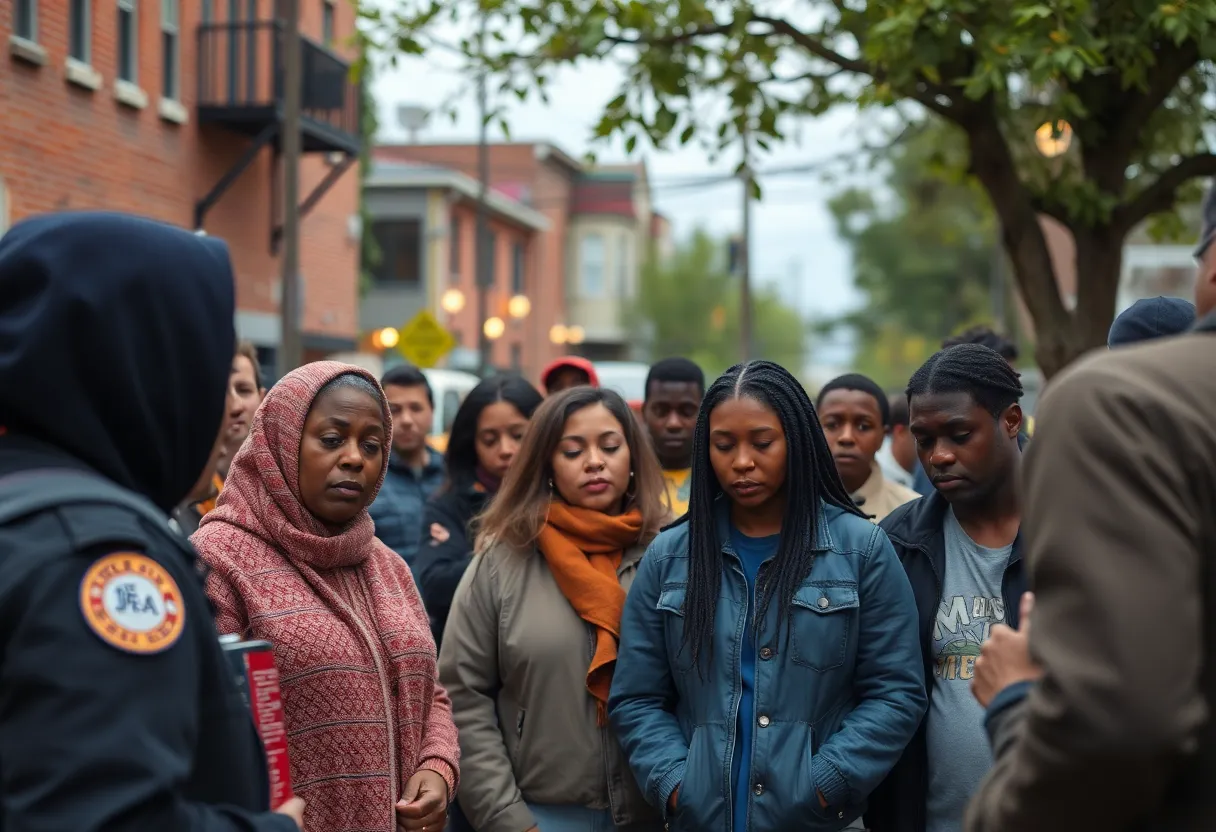
The potential consequences of stringent regulations extend beyond the businesses themselves. Many local economies that have come to rely on the hemp industry for jobs and tax revenue are now facing uncertainty. The resilience of North Carolina entrepreneurs will be tested as they navigate these challenges, demonstrating their capacity for innovation and adaptation in the face of shifting regulations. As community members consider how best to support these businesses, staying informed about legislative developments will be crucial for the continued growth of the region.
Key Takeaways
With the imminent federal regulations threatening the viability of North Carolina’s burgeoning hemp industry, the focus now shifts to state-level responses and legislative efforts aimed at fostering a structured and sustainable market. The path forward relies on finding a balance that encourages local entrepreneurship while ensuring consumer safety and public health. Engaging with local lawmakers and supporting businesses will be vital as North Carolina navigates this complex landscape.
Frequently Asked Questions (FAQ)
What is the new federal THC limit for hemp-derived products?
The new federal regulation mandates that hemp-derived products contain no more than 0.4 milligrams of total THC per container, effective in November 2026.
How will this federal regulation affect North Carolina’s hemp industry?
The regulation threatens to render most current THC-infused products, such as edibles and seltzers, illegal, potentially leading to the shutdown of numerous businesses statewide.
What state-level legislation is being considered in response to these federal changes?
North Carolina lawmakers are considering House Bill 328, which aims to impose age restrictions on the sale of hemp-derived products, and Senate Bill 265, which seeks to establish a comprehensive regulatory framework for hemp products.
Why is there a lack of regulation in North Carolina’s hemp industry?
The absence of a unified regulatory approach at both federal and state levels has left the hemp industry in a state of uncertainty, leading to a “wild west” environment with inconsistent oversight.
What is the future outlook for North Carolina’s hemp industry?
The future of the hemp industry in North Carolina depends on the interplay between federal mandates and state legislative actions, determining whether the industry can adapt to new regulations and continue to thrive or face substantial setbacks.
Key Features of North Carolina’s Hemp Industry Challenges
| Feature | Description |
|---|---|
| Federal THC Limit | New regulation caps total THC in hemp-derived products at 0.4 milligrams per container, effective November 2026. |
| Impact on Businesses | Potential to render most current THC-infused products illegal, threatening the viability of numerous businesses statewide. |
| State Legislation | Consideration of House Bill 328 and Senate Bill 265 to regulate the hemp industry more effectively at the state level. |
| Regulatory Uncertainty | Lack of a unified regulatory approach has led to a “wild west” environment with inconsistent oversight in the hemp industry. |
| Industry Outlook | The industry’s future depends on the interplay between federal mandates and state legislative actions, influencing its ability to adapt and thrive. |
Deeper Dive: News & Info About This Topic
HERE Resources
Challenges Brewing in Charlotte as Tariffs and Trends Impact Local Breweries

Author: HERE Charlotte
The CHARLOTTE STAFF WRITER represents the experienced team at HERECharlotte.com, your go-to source for actionable local news and information in Charlotte, Mecklenburg County, and beyond. Specializing in "news you can use," we cover essential topics like product reviews for personal and business needs, local business directories, politics, real estate trends, neighborhood insights, and state news affecting the area—with deep expertise drawn from years of dedicated reporting and strong community input, including local press releases and business updates. We deliver top reporting on high-value events such as Lovin' Life Music Festival, Charlotte Pride festival, and major sporting tournaments at Bank of America Stadium. Our coverage extends to key organizations like the Charlotte Regional Business Alliance and Foundation for the Carolinas, plus leading businesses in finance and entertainment that power the local economy such as Bank of America and NASCAR. As part of the broader HERE network, including HEREAsheville.com, HEREGreensboro.com, HERERaleigh.com, and HEREOBX.com, we provide comprehensive, credible insights into North Carolina's dynamic landscape.