
Charlotte, North Carolina, January 8, 2026
On January 7, North Carolina teachers rallied across the state demanding improved pay, better benefits, and the urgent passage of a comprehensive state budget. Led by NC Teachers in Action, hundreds of educators participated in demonstrations, highlighting frustrations over stagnant salaries and a prolonged budget stalemate. Their demands include reinstating longevity pay, improving funding for public education, and addressing the challenges presented by the current continuation budget. Teachers emphasized the need for fair compensation and adequate funding for the state’s educational system.
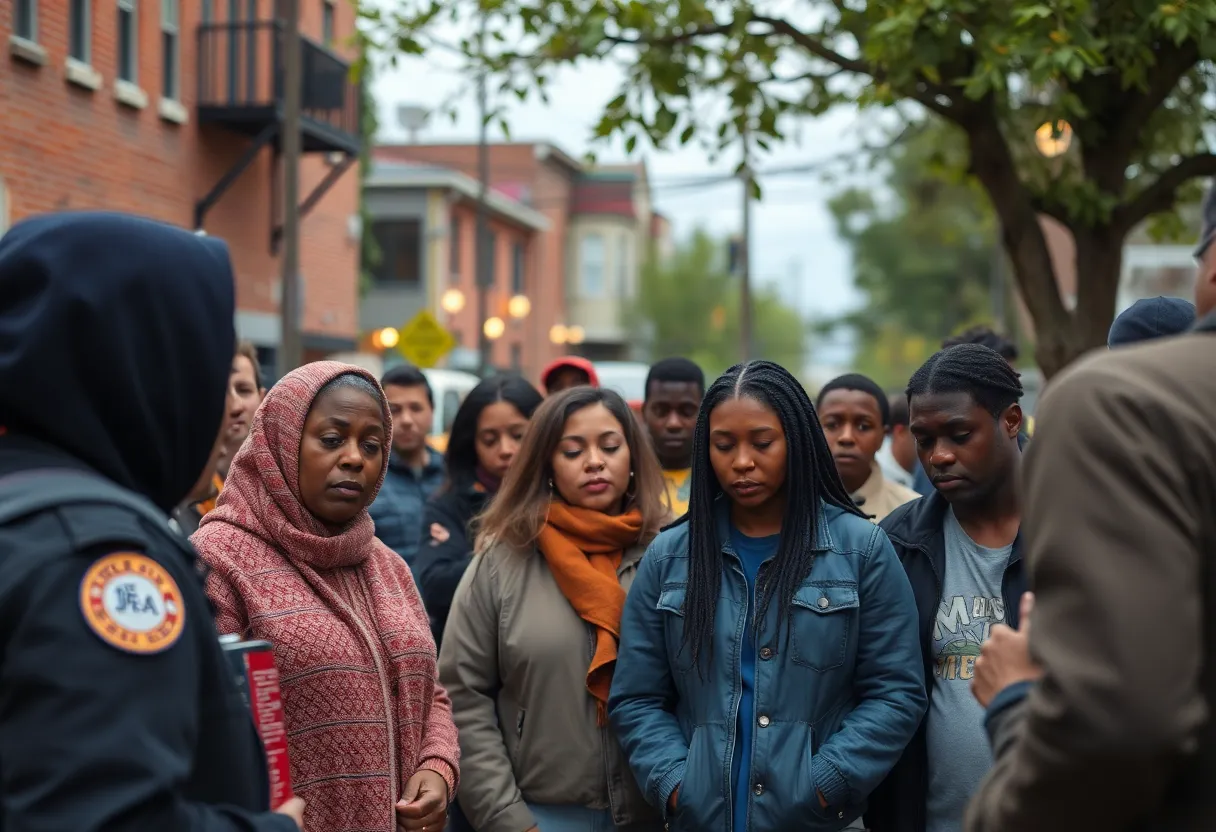
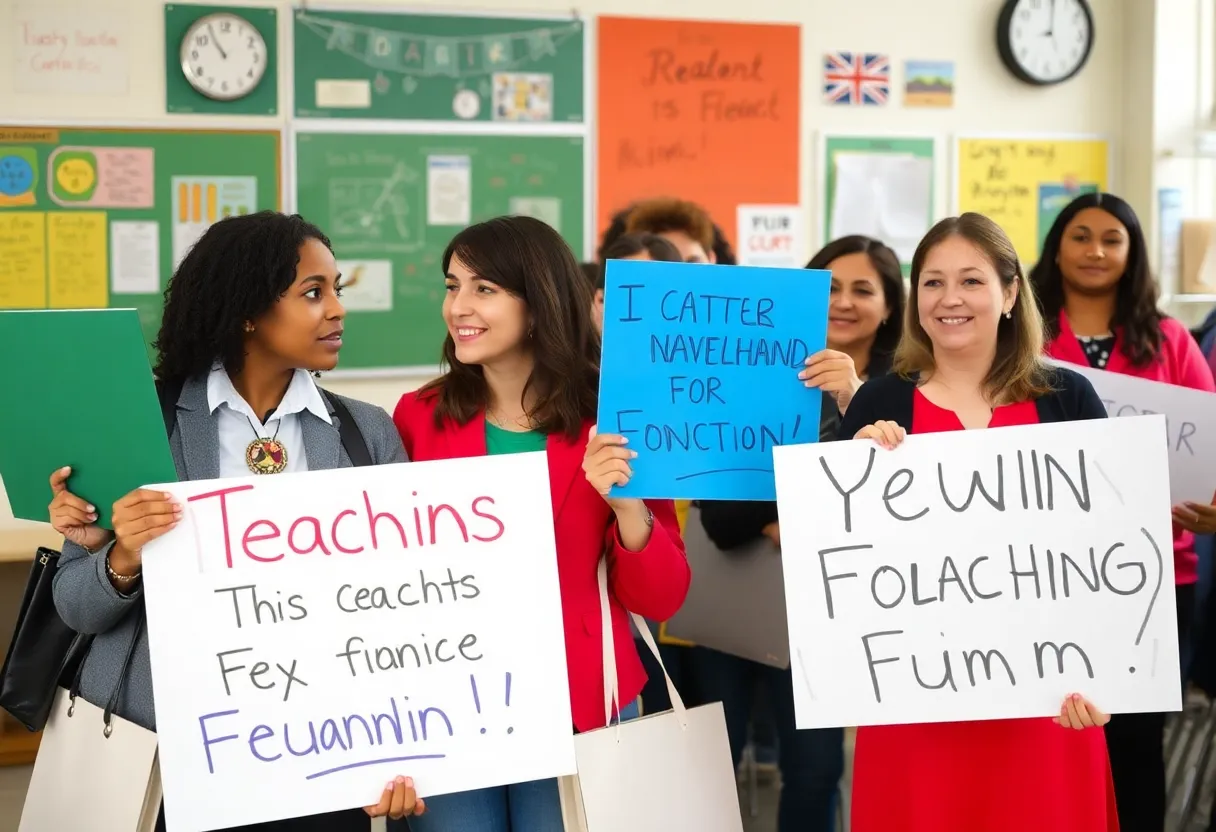
Charlotte, North Carolina – Hundreds of North Carolina teachers across the state engaged in protests on Wednesday, January 7, 2026, advocating for better pay, improved benefits, and the immediate passage of a comprehensive state budget. The protests, which included call-outs from work, demonstrations, and walk-ins, took place at dozens of schools, with significant participation in Charlotte-Mecklenburg Schools (CMS), Wake County, and Gaston County. This action highlights ongoing frustrations among educators regarding stagnant wages, rising healthcare costs, and the broader impact of a prolonged state budget stalemate on public education.
Educators Demand Fair Compensation and Budget Resolution
Organized by NC Teachers in Action, the statewide protests on January 7, 2026, saw between 650 and 750 educators participate across 52 schools, spanning counties from the Atlantic Coast to the Piedmont region. In Charlotte, teachers from schools such as Paw Creek Elementary, Elon Park Elementary, Mallard Creek High, Joseph W. Grier Academy, and Governor’s Village STEM Academy participated. Protesters gathered at key locations, including the intersection of Brookshire Boulevard and Huntersville Road in Charlotte, displaying signs and chanting slogans like “fund public schools,” “pass the budget,” and “pay your teachers.”
A primary catalyst for the protests is the continued absence of a finalized State-level budget, which means no raises for State-level teachers, frozen step increases, and the further erosion of already inadequate benefits. North Carolina currently operates under a continuation budget, essentially maintaining 2024 spending levels, as the Republican-controlled General Assembly and Democratic Governor Josh Stein have been unable to reach a compromise on the 2025-27 biennial budget. This stalemate has left spending on teacher and State-level employee raises, tax cuts, Medicaid, and a children’s hospital in limbo.
Key Demands from Teachers
Teachers’ demands extend beyond general pay raises. They are specifically calling for the reinstatement of longevity pay and master’s pay, full funding of the court-ordered Leandro plan to improve schools, and an unfreezing of pay scale increases for veteran teachers. Under the current State-level system, experienced educators can see their pay effectively frozen, with no State-level salary step increases between years 15 and 25.
Many teachers reported working multiple jobs to make ends meet, with some even turning to food banks. North Carolina ranks low Nation-wide in teacher pay, with an average teacher salary of approximately $55,561 as of 2025, according to the North Carolina Department of Public Instruction. The National Education Association (NEA) ranked North Carolina 43rd in the Nation for average teacher pay and 39th for starting teacher salary, which is $42,542. The State-level also ranks low in public education funding and investment compared to the rest of the country.
Impact of the Budget Stalemate
The prolonged budget stalemate, extending from 2025 into 2026, affects not only teacher salaries but also various other State-level services and departments. Operating on a continuation budget means that State-level agencies and institutions receive the same level of funding as the previous year, without adjustments for population increases, inflation, or growing needs. This can lead to frozen salaries, a lack of funding for increased enrollment, and cuts to programs.
The State-level government has been criticized for providing significant tax giveaways, with the wealthiest segments of North Carolinians receiving billions in annual tax cuts, an amount exceeding the State-level’s entire K-12 and community college budget combined. Governor Josh Stein has expressed agreement with the House’s “fiscal prudence” in slowing future tax cuts, advocating for a budget that invests in the State-level’s people responsibly.
Ongoing Efforts and Future Actions
NC Teachers in Action plans to continue holding monthly protests on the 7th of each month, building momentum towards April 7, when the General Assembly is scheduled to reconvene in Raleigh. This sustained effort aims to exert ongoing pressure on lawmakers to address the critical issues facing public education and State-level employees. The group emerged from previous “wildcat sick-out” protests in the fall of 2025, driven by the budget deadlock and worsening school conditions.
A bipartisan bill, House Bill 192, introduced in March 2025, proposed increasing starting teacher pay to $50,000 and providing raises of up to $12,000 for experienced teachers, along with reinstating master’s pay. However, this bill’s passage remains contingent on the resolution of the larger budget impasse.
The protests underscore a widespread sentiment among educators that they are not adequately respected or valued, with the lack of a comprehensive State-level budget sending a clear message about priorities.
Frequently Asked Questions
What were North Carolina teachers protesting for?
North Carolina teachers were protesting for better pay, improved benefits, and the immediate passage of a comprehensive state budget.
When did the protests take place?
The protests took place on Wednesday, January 7, 2026.
Who organized the statewide protests?
The statewide protests were organized by NC Teachers in Action.
How many educators participated in the protests?
Between 650 and 750 educators participated across 52 schools throughout North Carolina.
What specific demands did teachers make regarding their pay?
Teachers specifically demanded the reinstatement of longevity pay and master’s pay, full funding of the court-ordered Leandro plan, and unfreezing of pay scale increases for veteran teachers.
What is the current status of the North Carolina state budget?
North Carolina currently operates under a continuation budget, essentially maintaining 2024 spending levels, as the General Assembly and Governor have been unable to reach a compromise on the 2025-27 biennial budget.
How does North Carolina teacher pay rank Nation-wide?
North Carolina ranks 43rd in the Nation for average teacher pay and 39th for starting teacher salary, according to the National Education Association.
Are there plans for future protests?
Yes, NC Teachers in Action plans to continue holding monthly protests on the 7th of each month, building momentum towards April 7, when the General Assembly is scheduled to reconvene.
Key Features of North Carolina Teacher Protests and State Budget Issues
| Feature | Description | Scope |
|---|---|---|
| Date of Protests | Wednesday, January 7, 2026 | State-level |
| Primary Organizers | NC Teachers in Action | State-level |
| Number of Participants | 650-750 educators | State-level |
| Number of Schools Involved | 52 schools across the state | State-level |
| Core Demands | Better pay, improved benefits, passage of state budget, reinstatement of longevity/master’s pay, unfreeze veteran teacher pay, fully fund Leandro plan | State-level |
| State Budget Status | Operating on a continuation budget (2024 spending levels) due to ongoing stalemate | State-level |
| NC Teacher Pay Ranking (NEA) | 43rd Nation-wide for average teacher pay, 39th Nation-wide for starting teacher salary | Nation-wide |
| Average Teacher Salary (NCDPI 2025) | Approximately $55,561 | State-level |
| Impact on Veteran Teachers | No State-level salary step increases between years 15 and 25 | State-level |
| Future Action Plans | Monthly protests on the 7th, leading up to General Assembly reconvening on April 7 | State-level |
Deeper Dive: News & Info About This Topic
HERE Resources
North Carolina Teachers Plan Walkout Over Low Pay
Academic Freedom in Flux: Insights from North Carolina’s Higher Education Landscape
Veterans Displaced by Apartment Fire Seek Community Support
Charlotte Students Face Absenteeism Amid Immigration Enforcement
Southern Events This December
High Student Absences in Charlotte Schools Amidst Immigration Actions
Teacher Faces Backlash for Mocking Assassination of Commentator
North Carolina Unveils Strategic Education Plan
Charlotte Prepares for 40th Anniversary of Back to the Future
D.C. Schools Begin Year Amid Increased Law Enforcement

Author: HERE Charlotte
The CHARLOTTE STAFF WRITER represents the experienced team at HERECharlotte.com, your go-to source for actionable local news and information in Charlotte, Mecklenburg County, and beyond. Specializing in "news you can use," we cover essential topics like product reviews for personal and business needs, local business directories, politics, real estate trends, neighborhood insights, and state news affecting the area—with deep expertise drawn from years of dedicated reporting and strong community input, including local press releases and business updates. We deliver top reporting on high-value events such as Lovin' Life Music Festival, Charlotte Pride festival, and major sporting tournaments at Bank of America Stadium. Our coverage extends to key organizations like the Charlotte Regional Business Alliance and Foundation for the Carolinas, plus leading businesses in finance and entertainment that power the local economy such as Bank of America and NASCAR. As part of the broader HERE network, including HEREAsheville.com, HEREGreensboro.com, HERERaleigh.com, and HEREOBX.com, we provide comprehensive, credible insights into North Carolina's dynamic landscape.