
News Summary
The North Carolina General Assembly has introduced oversight measures to ensure urban governance remains effective amidst ideological drift concerns. The new measures aim to keep cities like Charlotte and Raleigh accountable, focusing on preventing dysfunction before it escalates. Legislative actions include earmarking sales tax revenue for essential services and modifying tax increase proposals to prioritize existing needs. This shift reflects a departure from local control in response to observed governance challenges, ensuring public trust and operational effectiveness in urban centers.
North Carolina’s General Assembly Implements Oversight Measures to Safeguard Urban Governance Against Ideological Drift
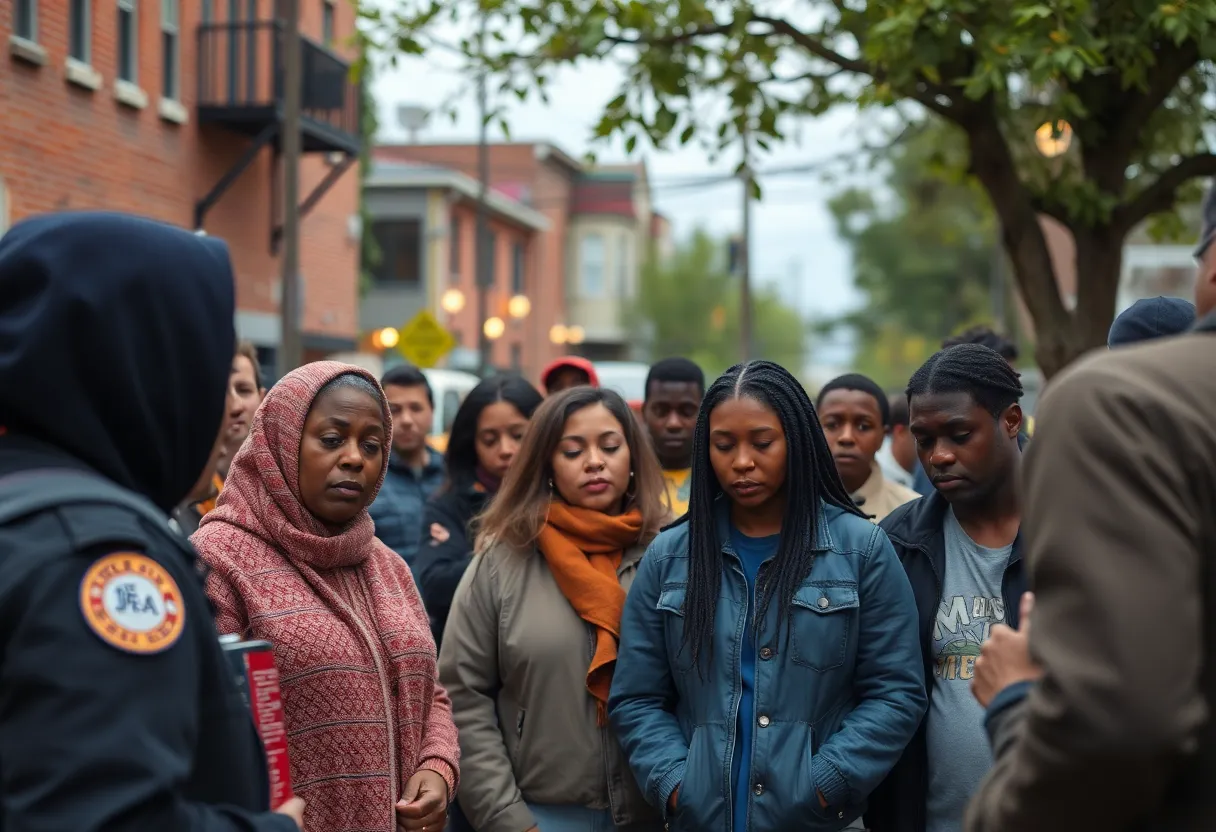
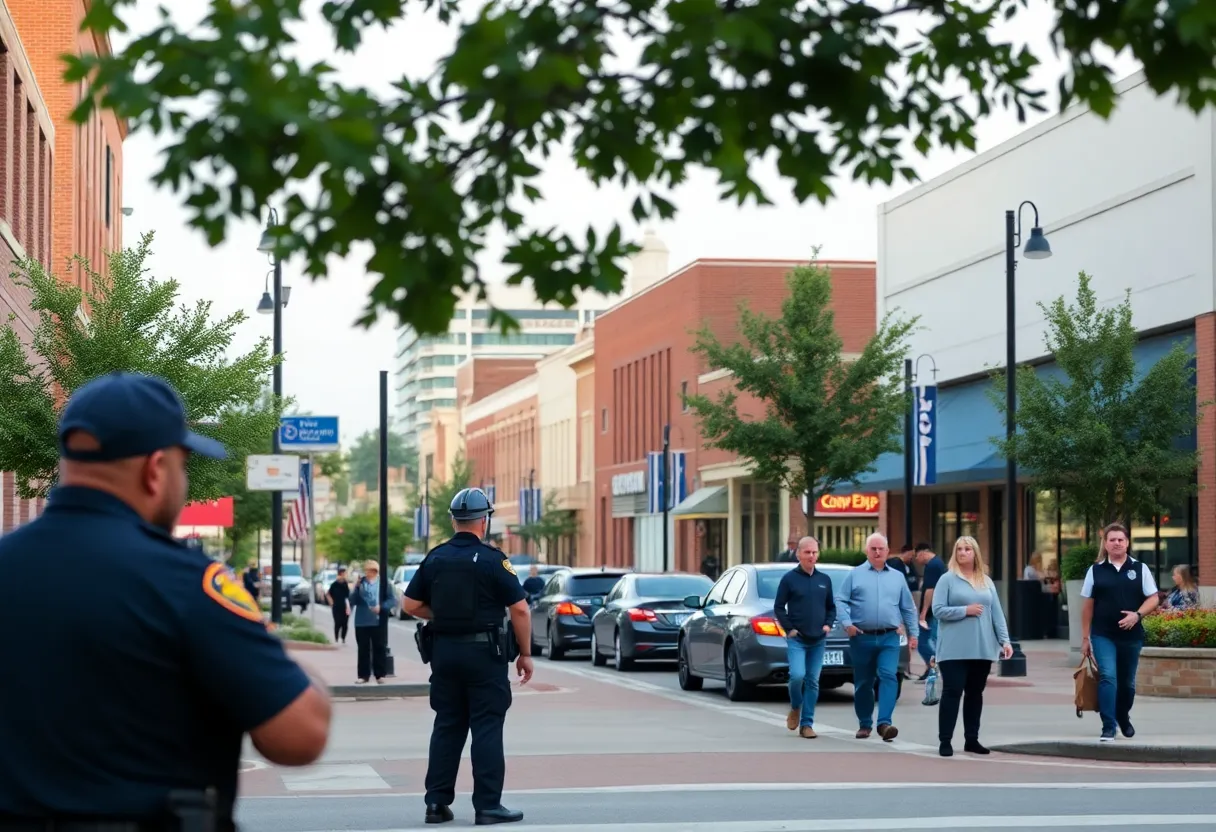
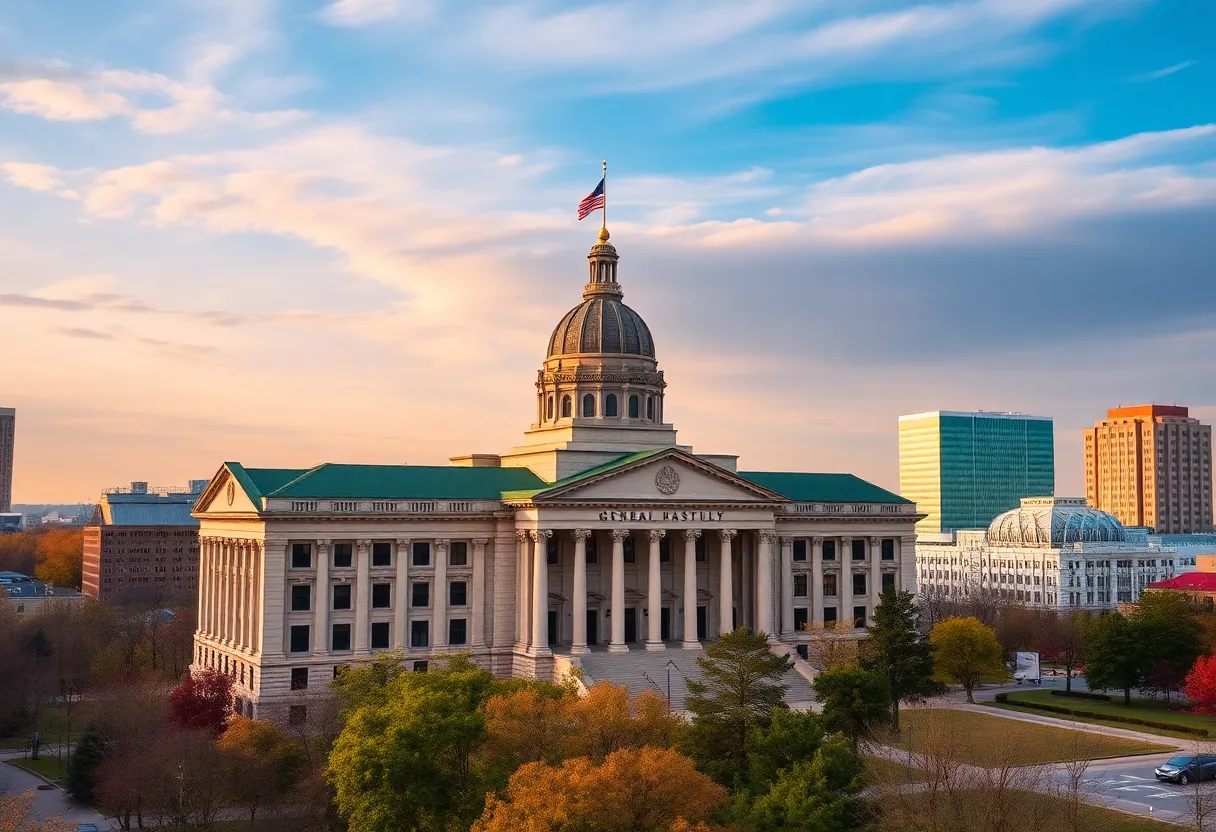
North Carolina’s General Assembly has introduced new oversight measures aimed at maintaining effective governance in its urban centers, responding to concerns about ideological drift within city administrations. The state legislature’s actions reflect a proactive approach to prevent potential dysfunction in cities like Charlotte, Raleigh, Greensboro, Winston-Salem, and Asheville, all of which still possess strong civic structures.
In recent years, political polarization has prompted some Republican lawmakers to dismiss urban areas as lost causes. However, the General Assembly believes that by establishing certain “guardrails,” they can ensure that these cities remain accountable and functional before issues escalate. This is particularly critical after observing warning signs from urban governance challenges seen in places such as those on the West Coast and New York, where extreme political ideologies have begun to affect local politics.
Among the self-defense measures undertaken by the North Carolina legislature are two specific legislative actions, both linked to sales tax increases in urban communities. House Bill 305 in Guilford County mandates that any tax revenue raised is earmarked exclusively for essential services, including teacher salary supplements, fire protection, and improvements at Guilford Technical Community College. Meanwhile, a proposed 1-cent sales tax increase in Charlotte has been modified to ensure that existing road maintenance funding remains a priority prior to any allocation of new tax revenues.
The shift in the General Assembly’s approach indicates a departure from the traditional Republican ethos of local control, signaling a need for state oversight when cities exhibit the potential for dysfunction. Such measures aim not to stifle local initiatives but to ensure basic competencies and accountability remain intact in governance. Critics argue that cities, particularly Charlotte, are veering from pragmatic governance toward more ideological and performative politics, which jeopardizes their operational effectiveness.
Furthermore, the current political landscape has prompted a reevaluation of conservative discourse regarding the underlying values preserved in governance, sparking discussions that juxtapose classical liberalism with moral community responsibility. The primary danger identified in urban governance is termed “unseriousness,” which leads to poorly focused budgets and diminished accountability rather than overt criminal activity.
The recent history of protests in North Carolina, particularly those in 2020 that turned into riots, underscores the ongoing concern around urban crime. While some crime statistics show improvements, others indicate that cities are facing challenges that necessitate robust governance measures. Urban areas like Charlotte have been singled out for allegedly straying from a business-friendly approach to governance, raising the stakes for state lawmakers’ intervention.
In essence, the North Carolina General Assembly’s new oversight measures are aimed at ensuring local governments prioritize public trust and uphold accountability in their financial and operational practices. These actions represent a critical effort to maintain the effectiveness and functionality of North Carolina’s urban centers, safeguarding them against potential ideological currents that could undermine their civic integrity.
With these steps, North Carolina has the potential to not only preserve but enhance the operational capacity of its cities—ensuring they continue to thrive in the midst of a historically polarized political landscape.
Deeper Dive: News & Info About This Topic
HERE Resources
Charlotte Enters Critical Election Cycle Amid Controversies
Homeowners Face Foreclosure Over HOA Fines in NC
UNC System Suspends DEI Course Requirement Amid Federal Push
Advocacy for HOA Reform in North Carolina Gains Momentum
Nationwide Protests Planned Against Trump’s Military Parade
Nationwide Protests Against Immigration Policies and Military Parade Planned
Funding Issues Disrupt Scholarships for Families of Disabled Veterans in North Carolina
Former Governor Critiques GOP’s Power Shift in NC
Investigation into Alleged Police Settlement in Charlotte
Charlotte City Council Appoints Edwin Peacock to District 6 Seat
Additional Resources
- The News & Observer
- Wikipedia: North Carolina General Assembly
- American City & County
- Google Search: North Carolina urban governance
- Charlotte Observer
- Google Scholar: North Carolina politics
- TIME
- Encyclopedia Britannica: Local government
- News of Orange
- Google News: North Carolina 2024 elections


Author: HERE Charlotte
The CHARLOTTE STAFF WRITER represents the experienced team at HERECharlotte.com, your go-to source for actionable local news and information in Charlotte, Mecklenburg County, and beyond. Specializing in "news you can use," we cover essential topics like product reviews for personal and business needs, local business directories, politics, real estate trends, neighborhood insights, and state news affecting the area—with deep expertise drawn from years of dedicated reporting and strong community input, including local press releases and business updates. We deliver top reporting on high-value events such as Lovin' Life Music Festival, Charlotte Pride festival, and major sporting tournaments at Bank of America Stadium. Our coverage extends to key organizations like the Charlotte Regional Business Alliance and Foundation for the Carolinas, plus leading businesses in finance and entertainment that power the local economy such as Bank of America and NASCAR. As part of the broader HERE network, including HEREAsheville.com, HEREGreensboro.com, HERERaleigh.com, and HEREOBX.com, we provide comprehensive, credible insights into North Carolina's dynamic landscape.