
Charlotte, North Carolina, January 8, 2026
Residents of Charlotte and the Carolinas are experiencing a prolonged presence of winter fog, attributed to cooler temperatures, longer nights, and a distinctive weather phenomenon called Cold Air Damming. This unique pattern traps cold air against the Appalachian Mountains, leading to longer-lasting fog conditions. Understanding the science behind this weather pattern reveals key factors like temperature inversions and different types of fog prevalent during winter months, impacting visibility and prompting safety considerations for motorists.
Charlotte, North Carolina –
Persistent Winter Fog: Understanding Why It Lingers Longer in Colder Months Across the Carolinas
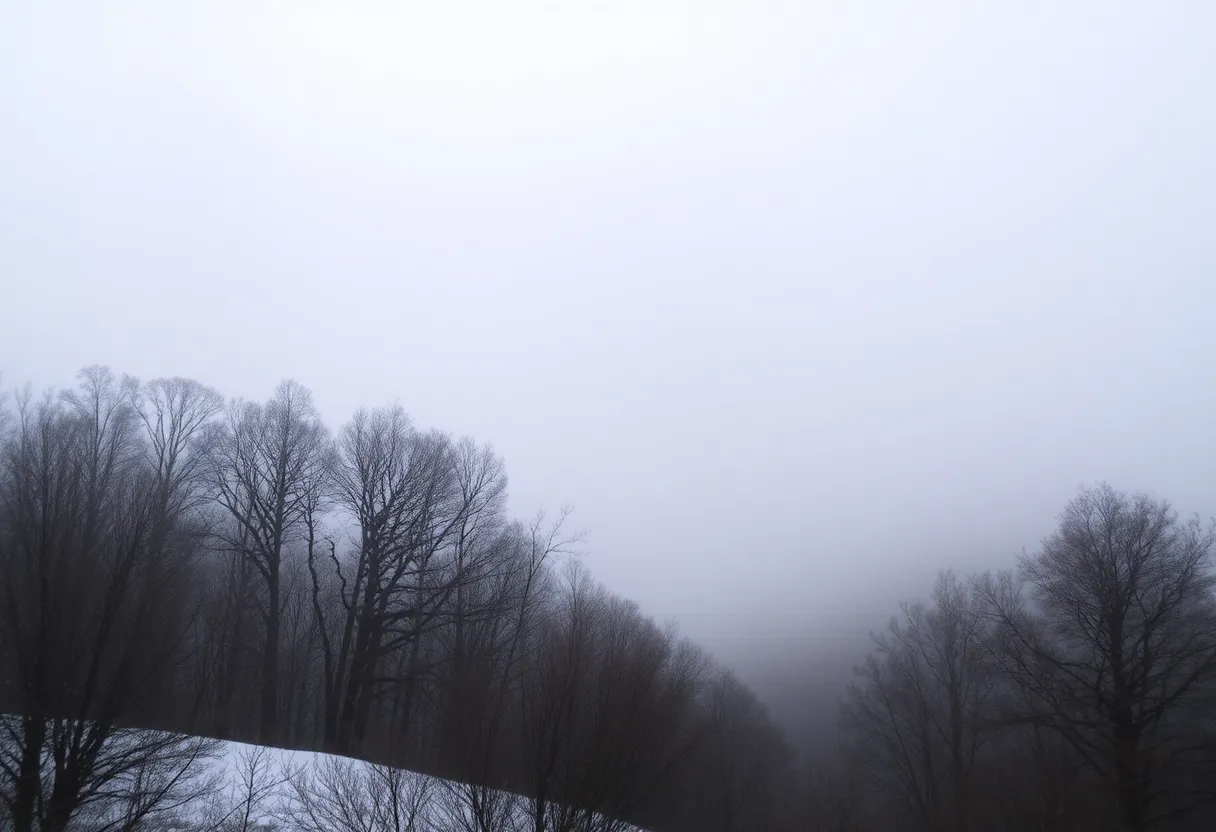
Residents in Charlotte and across the Carolinas have likely observed the extended presence of fog during recent mornings, a phenomenon that is particularly common and often more persistent during the colder, winter months. This prolonged fog is primarily attributed to a combination of cooler temperatures, longer nights, and a lower sun angle, creating conditions ripe for its development and delayed dissipation. A crucial contributing factor in the Carolinas is a distinctive weather pattern known as Cold Air Damming (CAD), or “the wedge,” which traps cold, damp air against the Appalachian Mountains, significantly impacting local weather, including the duration of fog.
The Science Behind Prolonged Winter Fog
Fog is essentially a cloud that forms at ground level, consisting of tiny water droplets or ice crystals suspended in the air. It forms when water vapor condenses, typically as air cools to its dew point, meaning it becomes saturated with moisture. In winter, several atmospheric conditions converge to make fog more prevalent and persistent. Longer nights provide ample time for the Earth’s surface to cool significantly through radiation. This cooling then chills the air directly above the ground, causing moisture to condense and form fog.
A key element in winter fog’s persistence is the formation of a temperature inversion. This occurs when colder, denser air settles and becomes trapped near the ground, with a layer of warmer, milder air situated above it. This inversion acts as a lid, preventing the cold, foggy air from rising and mixing with warmer air higher in the atmosphere. The lower sun angle during winter days struggles to penetrate this inversion effectively, making it difficult for the sun’s warmth to evaporate the fog and cause it to dissipate, allowing it to linger for several hours into the morning or even all day in some cases.
Common Types of Winter Fog
- Radiation Fog: This is a prevalent type of fog that forms on calm, clear nights when the ground rapidly loses heat, cooling the air near the surface to its dew point. It is often observed in valleys and low-lying areas where cold air collects.
- Advection Fog: This occurs when warm, moist air moves horizontally over a cooler surface, such as cold land or water, causing the air to cool and condense. It’s common in coastal areas or when warm fronts pass over snow-covered ground.
- Valley Fog: A specific type of radiation fog confined by topography, forming in mountain valleys where cold air pools, often lasting for days in calm conditions.
- Freezing Fog: Occurs when liquid fog droplets exist at temperatures below freezing. These droplets freeze upon contact with surfaces, forming rime ice, which can be particularly hazardous.
The Role of Cold Air Damming in the Carolinas
In the Carolinas, the impact of fog is frequently amplified by Cold Air Damming (CAD), also known as “the wedge.” This unique regional weather phenomenon occurs when cooler, denser air becomes trapped against the eastern slopes of the Appalachian Mountains. A high-pressure system located to the north or northeast pushes this cold, dense air southward into the Mid-Atlantic and Southeast. The Appalachian Mountains act as a natural barrier, preventing the cold air from easily moving westward and forcing it to pool or “dam up” along the eastern side.
As warm, moist air approaches from the south or southeast, it is forced to rise over this trapped dome of cold air, a process called isentropic lifting. This lifting cools the moist air, leading to widespread cloud cover and often precipitation. The presence of this cold, dense air layer near the surface, combined with the rising moist air, creates ideal conditions for persistent low clouds and thick fog, which can last for several days, leading to gloomy and damp conditions across central and western North Carolina. Cold Air Damming events are more common in the cooler seasons, typically from October to April, and can significantly influence temperatures, precipitation types, and the duration of fog.
Safety Considerations During Foggy Conditions (Nationwide)
Fog presents a significant hazard, especially for motorists, by drastically reducing visibility to less than 1 kilometer. The risk of road accidents increases substantially in foggy conditions. To ensure safety, drivers are advised to:
- Reduce Speed: Drive at a slower speed to allow more time to react to sudden hazards or stops.
- Use Proper Lighting: Turn on low-beam headlights and, if available, fog lights. High-beam headlights should be avoided as they reflect off the water droplets in the fog, worsening visibility by creating a “white wall” effect.
- Maintain Distance: Increase the following distance between your vehicle and the one ahead.
- Stay in Your Lane: Avoid changing lanes or overtaking other vehicles unnecessarily.
- Use Road Edges as Guide: Utilize the right-side edge of the road or roadside reflectors as a visual reference.
- Avoid Sudden Maneuvers: Brake gradually and avoid sudden acceleration.
- Pull Over Safely: If visibility becomes too low to continue driving, pull completely off the road to a safe area, such as a rest stop, and turn on hazard lights. Do not stop on the roadway.
Regularly checking weather reports before traveling can help anticipate foggy conditions and allow for necessary precautions or delays.
Frequently Asked Questions
- Why does fog last longer during the colder, winter months?
- Fog lasts longer during colder, winter months primarily due to cooler temperatures, longer nights, and a lower sun angle. These conditions create temperature inversions where cold air is trapped near the ground, preventing fog from dissipating easily.
- What is Cold Air Damming (CAD)? (State-level)
- Cold Air Damming, or “the wedge,” is a weather phenomenon common in the Carolinas where cooler, denser air becomes trapped against the eastern slopes of the Appalachian Mountains. This can lead to persistent low clouds, gloomy conditions, and fog.
- How does a temperature inversion contribute to prolonged fog?
- A temperature inversion traps colder, denser air near the ground beneath a layer of warmer air. This prevents vertical mixing and acts as a lid, keeping fog suspended near the surface for extended periods, especially when the sun’s angle is low in winter.
- What are some common types of fog encountered in winter?
- Common types of fog in winter include Radiation Fog, which forms on clear, calm nights as the ground cools; Advection Fog, formed when warm, moist air moves over a cold surface; Valley Fog, which is radiation fog confined to valleys; and Freezing Fog, where supercooled droplets freeze upon contact with surfaces.
- What are key safety tips for driving in fog? (Nationwide)
- Key safety tips for driving in fog (Nationwide) include reducing speed, using low-beam headlights and fog lights (avoiding high beams), maintaining a safe following distance, staying in your lane, using the right edge of the road as a guide, avoiding sudden maneuvers, and pulling over safely if visibility becomes too low.
Key Features of Winter Fog and Cold Air Damming
| Feature | Description | Geographic Scope |
|---|---|---|
| Fog Persistence Factors | Cooler temperatures, longer nights, and lower sun angle. | Nationwide |
| Temperature Inversion | Colder, dense air trapped at surface by warmer air aloft; prevents vertical mixing. | Nationwide |
| Radiation Fog | Forms on clear, calm nights as ground cools rapidly; common in valleys. | Nationwide |
| Advection Fog | Warm, moist air moving over a cooler surface; common in coastal areas or over snow/ice. | Nationwide |
| Cold Air Damming (CAD) | Cooler, denser air trapped against eastern slopes of Appalachian Mountains; leads to persistent gloom, dampness, and fog. | State-level (Carolinas) |
| CAD Formation | High-pressure system to the north/northeast pushes cold air against the Appalachians. | State-level (Carolinas) |
| Driving Visibility | Fog reduces visibility to less than 1 kilometer. | Nationwide |
| Recommended Headlights in Fog | Low-beam headlights and fog lights; avoid high beams. | Nationwide |
| Winter Months for CAD | Most common from October to April. | State-level (Carolinas) |
Deeper Dive: News & Info About This Topic
HERE Resources
School Bus Involved in Morning Collision in West Charlotte
Explore Charlotte’s Thriving Music Scene This Week
Registration Open for Winter Critter Camp at Rescue Ranch
Charlotte NC Hosts ‘Season of Second Chances’ Adoption Event
Festive Weekend Events in Charlotte

Author: HERE Charlotte
The CHARLOTTE STAFF WRITER represents the experienced team at HERECharlotte.com, your go-to source for actionable local news and information in Charlotte, Mecklenburg County, and beyond. Specializing in "news you can use," we cover essential topics like product reviews for personal and business needs, local business directories, politics, real estate trends, neighborhood insights, and state news affecting the area—with deep expertise drawn from years of dedicated reporting and strong community input, including local press releases and business updates. We deliver top reporting on high-value events such as Lovin' Life Music Festival, Charlotte Pride festival, and major sporting tournaments at Bank of America Stadium. Our coverage extends to key organizations like the Charlotte Regional Business Alliance and Foundation for the Carolinas, plus leading businesses in finance and entertainment that power the local economy such as Bank of America and NASCAR. As part of the broader HERE network, including HEREAsheville.com, HEREGreensboro.com, HERERaleigh.com, and HEREOBX.com, we provide comprehensive, credible insights into North Carolina's dynamic landscape.