
Charlotte, February 11, 2026
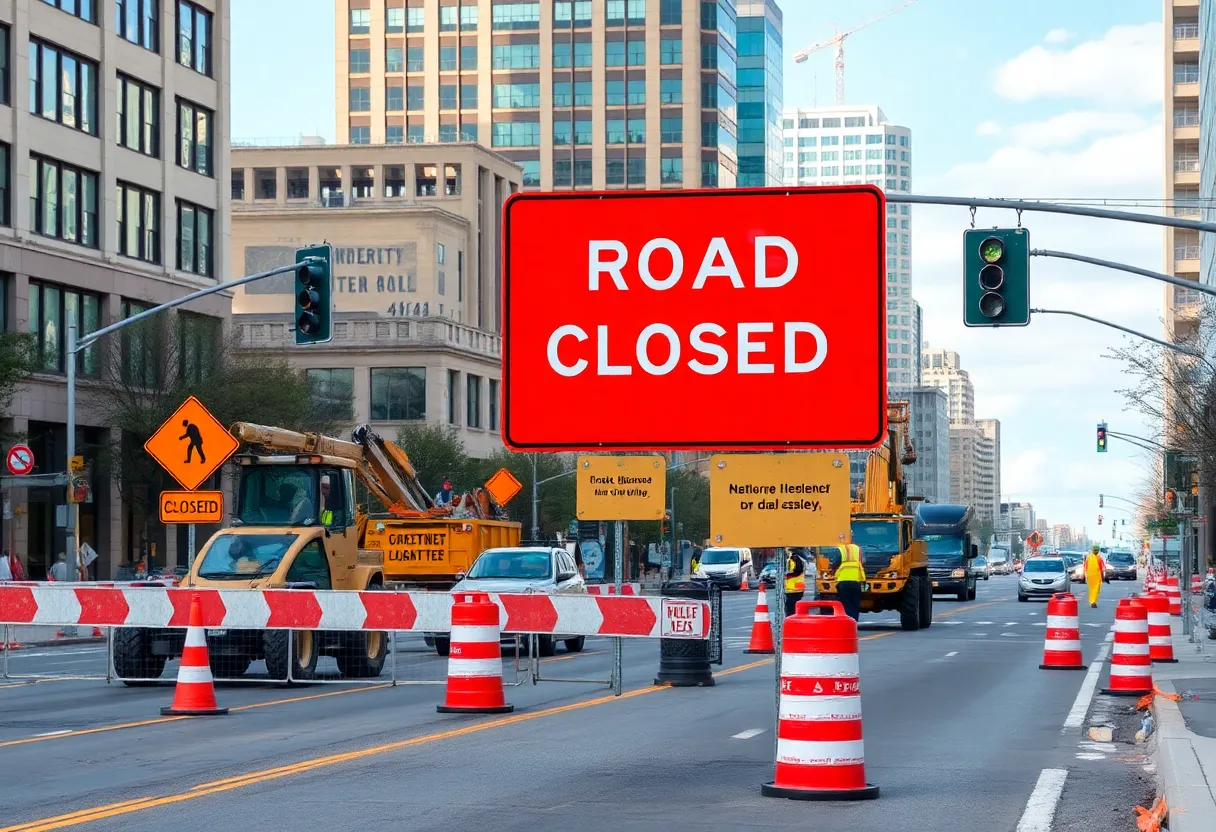
A significant traffic disruption has started in south Charlotte as a section of Rodney Street is closed for several months due to the I-485 toll lanes project. The closure, announced by NCDOT, affects the area between Westinghouse Boulevard and Royshall Lane and is part of the ongoing efforts to improve traffic flow in the region. Commuters and local residents should expect changes to their daily routes and allow for extra travel time as they navigate alternate paths around the construction zone.
Charlotte
A significant traffic disruption has begun in south Charlotte, with a portion of Rodney Street now closed for several months. This essential closure, announced by the North Carolina Department of Transportation (NCDOT), is necessary to facilitate ongoing construction work related to the I-485 toll lanes project. The affected stretch of Rodney Street is located between Westinghouse Boulevard and Royshall Lane.
The closure, which commenced recently, marks a new phase in the extensive infrastructure development aimed at enhancing connectivity and easing congestion on one of the region’s busiest interstate highways. Commuters and local residents in the south Charlotte area should anticipate substantial changes to their daily routes and allow for additional travel time. The NCDOT advises all drivers to remain vigilant for updated signage and to explore alternative routes to navigate around the construction zone. The long-term nature of this closure, expected to last for months, underscores the complexity and scope of the toll lane project. This particular segment of Rodney Street plays a crucial role for local access, and its temporary unavailability will require adjustments for those who regularly use this thoroughfare.
The I-485 toll lane project is a critical undertaking designed to improve traffic flow and reduce congestion along the Charlotte beltway. This large-scale initiative involves adding managed lanes that offer drivers the option of a faster commute for a fee, thereby providing a more predictable travel time, especially during peak hours. Such projects are often phased, requiring temporary closures of local roads that intersect with or run parallel to the main highway construction areas. The current closure of Rodney Street is a direct consequence of these necessary construction activities, allowing crews to safely and efficiently complete vital work on the adjacent I-485 corridor. Infrastructure improvements of this magnitude, while causing temporary inconvenience, are ultimately aimed at supporting the long-term growth and mobility needs of the Charlotte metropolitan area. The NCDOT’s efforts are focused on delivering a modernized transportation network that can accommodate the increasing volume of traffic and ensure smoother journeys for thousands of daily travelers.
While the Rodney Street closure is a current focus, it is part of a broader landscape of infrastructure development across the Charlotte region. Other significant projects, such as those related to Charlotte Douglas International Airport’s expansion, including taxiway projects that necessitate road closures like sections of West Boulevard, highlight the continuous investment in the city’s infrastructure. Similarly, road widening efforts, like the partial closure of a Lake Norman intersection, demonstrate a regional commitment to improving transportation capacity. However, the Rodney Street closure specifically addresses the I-485 toll lane project’s requirements, aiming to integrate the new managed lanes seamlessly into the existing highway system. This integration often involves extensive bridge work, utility relocation, and roadway reconfiguration at interchange points, directly impacting local access roads like Rodney Street. The closure ensures the safety of both construction workers and the traveling public during these complex operations.
Understanding the rationale behind such closures is key for the community. The development of toll lanes is a strategic approach to managing traffic demand, particularly in rapidly growing urban centers. By providing an alternative travel option, these lanes help to alleviate pressure on general-purpose lanes, benefiting all drivers in the long run. The construction process, however, is inherently disruptive. It involves heavy machinery, significant excavation, and the precise installation of new infrastructure components, all of which require dedicated work zones. The decision to close Rodney Street for an extended period was made to allow for uninterrupted progress on these critical I-485 enhancements, thereby aiming to expedite the overall project completion and minimize the total duration of impact on the community. Local officials and NCDOT encourage residents to stay informed about the project’s progress and any further updates regarding traffic patterns and alternative routes.
The impact of the Rodney Street closure extends beyond individual commuters, affecting local businesses and delivery services that rely on efficient access within south Charlotte. Businesses situated near the closed segment or those whose supply chains pass through this area may need to adjust their logistics and inform customers about potential delays or alternative access points. While challenging in the short term, these infrastructure investments are designed to support sustained economic activity and improve overall regional connectivity, which ultimately benefits the business community. The temporary nature of these disruptions is a trade-off for future transportation efficiencies and reduced travel times across the broader interstate network.
The NCDOT continues to manage multiple complex road improvement projects across the state, each designed to address specific transportation challenges. The I-485 toll lane project, of which the Rodney Street closure is a component, is a prime example of these efforts in Mecklenburg County. The goal is to ensure that Charlotte’s transportation network can effectively serve its growing population and economic demands well into the future. Motorists are urged to plan their journeys in advance, use navigation apps that incorporate real-time traffic data, and exercise patience as these vital infrastructure upgrades are brought to completion. The long-term benefits of enhanced traffic flow and improved safety are expected to outweigh the temporary inconveniences experienced during the construction phase.
Frequently Asked Questions
- What street is closing in south Charlotte?
A portion of Rodney Street in south Charlotte is closing. - Where exactly is the Rodney Street closure located?
The closure on Rodney Street is located between Westinghouse Boulevard and Royshall Lane. - How long will Rodney Street be closed?
Rodney Street will be closed for months. - Why is Rodney Street closing?
The closure is due to work on the I-485 toll lanes project. - Which organization announced this closure?
The North Carolina Department of Transportation (NCDOT) announced this closure.
Key Details of Rodney Street Closure
| Feature | Detail |
|---|---|
| Location | Rodney Street, south Charlotte |
| Specific Section | Between Westinghouse Boulevard and Royshall Lane |
| Duration | Months |
| Reason for Closure | Work on the I-485 toll lanes project |
| Announcing Authority | North Carolina Department of Transportation (NCDOT) |
Deeper Dive: News & Info About This Topic
HERE Resources

Author: HERE Charlotte
The CHARLOTTE STAFF WRITER represents the experienced team at HERECharlotte.com, your go-to source for actionable local news and information in Charlotte, Mecklenburg County, and beyond. Specializing in "news you can use," we cover essential topics like product reviews for personal and business needs, local business directories, politics, real estate trends, neighborhood insights, and state news affecting the area—with deep expertise drawn from years of dedicated reporting and strong community input, including local press releases and business updates. We deliver top reporting on high-value events such as Lovin' Life Music Festival, Charlotte Pride festival, and major sporting tournaments at Bank of America Stadium. Our coverage extends to key organizations like the Charlotte Regional Business Alliance and Foundation for the Carolinas, plus leading businesses in finance and entertainment that power the local economy such as Bank of America and NASCAR. As part of the broader HERE network, including HEREAsheville.com, HEREGreensboro.com, HERERaleigh.com, and HEREOBX.com, we provide comprehensive, credible insights into North Carolina's dynamic landscape.