

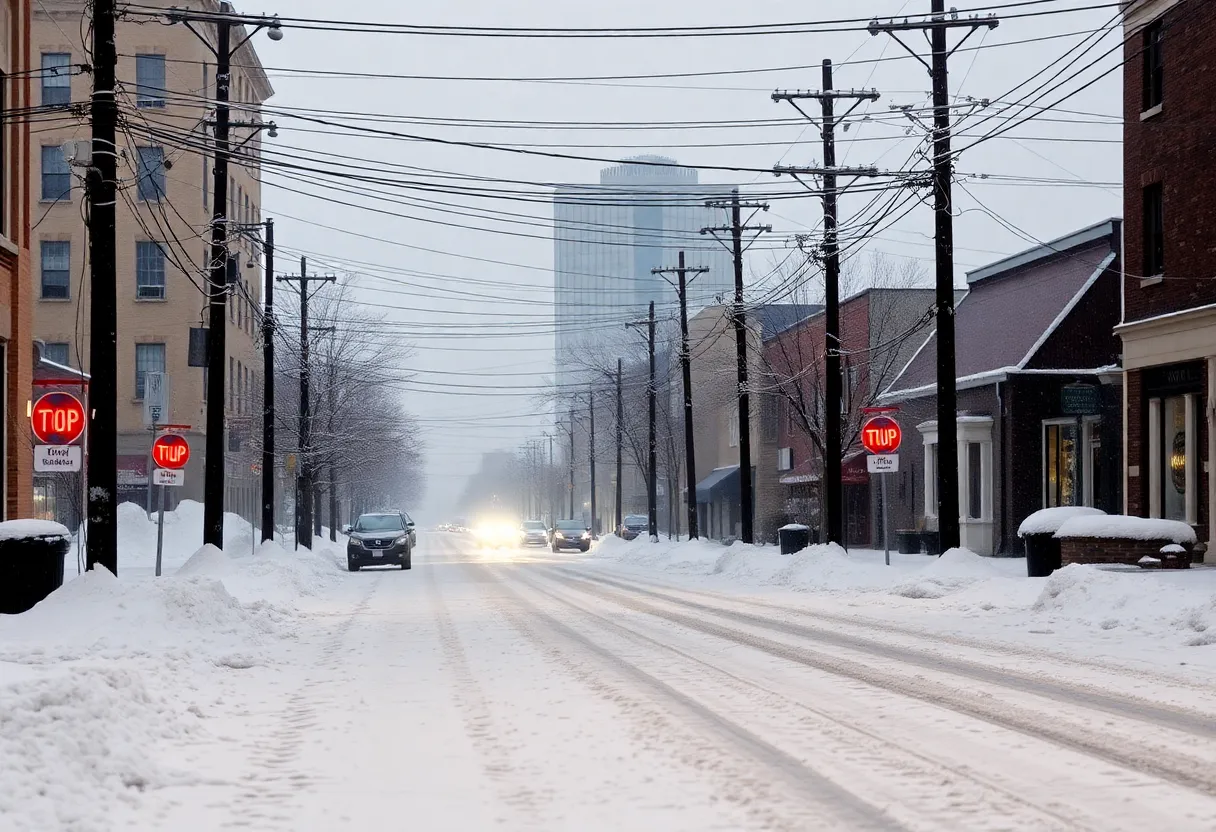
Nashville, Tennessee, January 29, 2026
Nashville, Tennessee is facing widespread power outages and critically cold temperatures due to a powerful winter storm, with over 40 fatalities reported nationwide. Freezing rain is causing mass power outages, with over 670,000 at its peak, and weather conditions are dangerous as wind chills drop to extreme lows. The severe cold is affecting travel across the nation, resulting in over 11,000 flight cancellations. Mississippi is notably experiencing its worst ice storm since 1994, leading to significant damage and emergency responses in the state.
Nashville, Tennessee
Widespread power outages and critically cold temperatures continue to grip the U.S. South, with Nashville, Tennessee, among the hardest-hit areas, as the aftermath of a colossal winter storm brings unprecedented challenges. Across the nation, over 40 fatalities have been attributed to the severe weather, which also caused massive travel disruptions and left hundreds of thousands without electricity. The storm’s impacts, particularly a historic ice storm in Mississippi, have led to prolonged suffering and extensive infrastructure damage over the past 48 hours and beyond.
Power Crisis Deepens Across Southern U.S.
On Monday evening, more than 670,000 power outages were reported across the nation, predominantly in the South. By Tuesday morning, approximately 550,000 households and businesses remained without electricity nationwide. Freezing rain was the primary culprit, causing tree limbs to fall and power lines to snap, particularly inflicting crippling outages in northern Mississippi and parts of Tennessee. In the Nashville area, thousands of homes and businesses saw electricity restored, but over 170,000 customers were still without power overnight into Tuesday after subfreezing temperatures. Officials in some southern regions have cautioned that full power restoration could take “weeks, not days”. Over 780,000 customers were without electricity nationwide earlier in the storm’s progression.
Life-Threatening Cold Blankets Midwest, South, and Northeast
Brutal, subzero temperatures have swept across the Midwest, South, and Northeast in the storm’s wake. The entire Lower 48 states were expected to record their coldest average low temperature since January 2014. Wind chills plunged to as low as -32 degrees Celsius (-25 degrees Fahrenheit) in areas north of Pittsburgh. The dangerous wind chills pose a life-threatening risk of hypothermia and frostbite to exposed skin. Even states as far south as Florida experienced Freeze Warnings and Frost Advisories. Communities across the Midwest, South, and Northeast awakened Monday to subzero weather.
Fatalities Rise Nationwide
The severe cold and treacherous conditions have contributed to a rising death toll. Over 40 deaths have been reported across more than a dozen states afflicted by the severe cold. Earlier reports indicated at least 29 deaths and over 30 deaths. These fatalities included incidents such as individuals being run over by snowplows in Massachusetts and Ohio, fatal sledding accidents involving teenagers in Arkansas and Texas, and a woman found deceased and covered in snow in Kansas after being last seen leaving a bar without her coat or phone. In New York City, eight individuals were found dead outdoors during the frigid weekend.
Mississippi Endures Worst Ice Storm Since 1994
Mississippi is grappling with its most severe ice storm since 1994, leading to extensive damage across the state. Falling tree limbs have caused significant property damage, including to homes and vehicles. Emergency services have been active in setting up warming centers and distributing essential supplies like blankets, water, and generators in affected areas. The University of Mississippi in Oxford has canceled all classes for the entire week as the campus remains coated in hazardous ice.
Widespread Travel Chaos Across the Nation
Air travel experienced massive disruptions nationwide. Over 8,000 flights were delayed or canceled across the country on Monday. The previous day, Sunday, saw approximately 45 percent of all U.S. flights canceled, marking the highest single-day cancellation total since the COVID-19 pandemic, with more than 11,000 cancellations reported. Major airport hubs experiencing significant disruptions included Dallas-Fort Worth, Charlotte, Washington, Miami, Philadelphia, Phoenix, Atlanta, Boston, and New York. Ground transportation was also severely impacted, with deep snow accumulations exceeding a foot (30 cm) from Arkansas to New England, halting traffic and forcing widespread school closures. Southeastern Oklahoma State University, for instance, extended its closure through Thursday, January 29, due to poor travel conditions and cold temperatures.
Background on the Historic Winter Storm
The colossal winter storm, dubbed “Winter Storm Fern” by some reports, began impacting the country from January 23 to January 26, 2026, bringing heavy snow, dangerous ice, and Arctic temperatures. The National Weather Service had issued warnings and advisories, indicating that over 230 million people would be affected by the storm’s extensive reach from the Southern Plains to the Northeast. The storm’s interaction with an Arctic air mass, driven by the polar vortex, created one of the broadest cold-weather events of the season. Preliminary estimates suggest the winter storm could incur economic losses between US$105 billion and US$115 billion, potentially making it the costliest severe weather event since the Los Angeles-area wildfires. A fresh influx of Arctic air is expected to sustain freezing temperatures in many areas already covered in snow and ice. The storm’s trajectory impacted a vast swath of the country, from eastern Montana, eastern Utah, and eastern Arizona all the way to Louisiana and North Carolina, extending into eastern Canada.
Key Impacts of the Winter Storm
| Feature | Detail | Scope |
|---|---|---|
| Fatalities | Over 40 deaths reported | Nationwide |
| Power Outages | Over 670,000 (peak) to 550,000 (Tuesday morning) without electricity | Nationwide, primarily Southern U.S. |
| Temperatures | Subzero temperatures, wind chills as low as -32 degrees Celsius (-25 degrees Fahrenheit) | Nationwide |
| Travel Disruptions | Over 8,000 flight delays/cancellations (Monday), 11,000+ cancellations (Sunday) | Nationwide |
| Ice Storm Severity | Worst ice storm in Mississippi since 1994 | State-level (Mississippi) |
| Economic Losses | Estimated between US$105 billion and US$115 billion | Nationwide |
Deeper Dive: News & Info About This Topic
HERE Resources
Severe Winter Storm Fern Disrupts Air Travel Nationwide
Charlotte’s Transportation Improvement Plans Unveiled
New Flight Routes Launched from Charlotte Douglas International Airport

Author: HERE Charlotte
The CHARLOTTE STAFF WRITER represents the experienced team at HERECharlotte.com, your go-to source for actionable local news and information in Charlotte, Mecklenburg County, and beyond. Specializing in "news you can use," we cover essential topics like product reviews for personal and business needs, local business directories, politics, real estate trends, neighborhood insights, and state news affecting the area—with deep expertise drawn from years of dedicated reporting and strong community input, including local press releases and business updates. We deliver top reporting on high-value events such as Lovin' Life Music Festival, Charlotte Pride festival, and major sporting tournaments at Bank of America Stadium. Our coverage extends to key organizations like the Charlotte Regional Business Alliance and Foundation for the Carolinas, plus leading businesses in finance and entertainment that power the local economy such as Bank of America and NASCAR. As part of the broader HERE network, including HEREAsheville.com, HEREGreensboro.com, HERERaleigh.com, and HEREOBX.com, we provide comprehensive, credible insights into North Carolina's dynamic landscape.