


“`html
The Role of Structural Connections in Earthquake-Prone Areas
Earthquakes pose significant risks to structures, particularly in regions that are characterized as earthquake-prone. As seismic events can result in substantial damage and loss of life, the design and construction of buildings must prioritize earthquake safety. One critical element of this construction is the role of structural connections. This article will explore these connections’ importance, types, and design considerations in the context of seismic activity.
Understanding Structural Connections
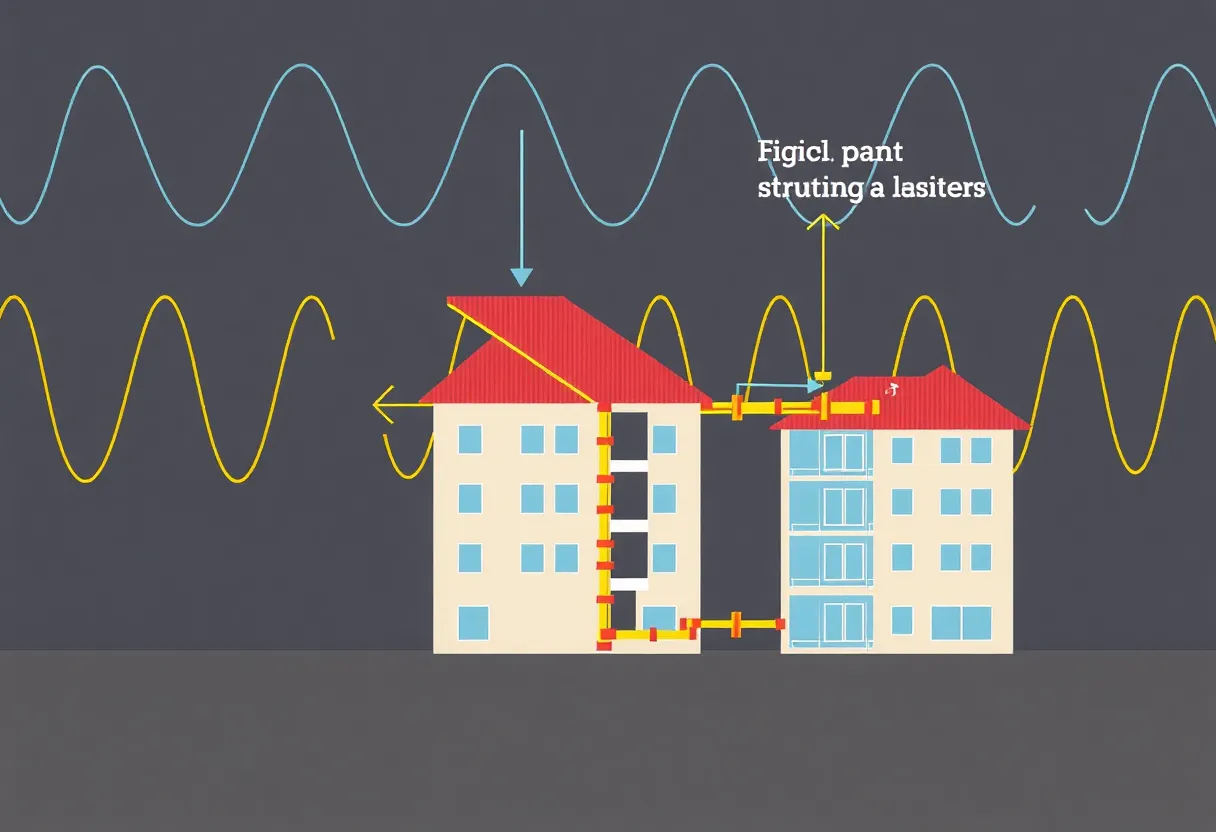
Structural connections are essential components that join different elements of a building’s framework. They ensure that loads are effectively transferred throughout the structure. This is particularly important in earthquake-prone areas, where dynamic forces can challenge a building’s integrity. Understanding how these connections function can significantly impact a building’s performance during seismic events.
Types of Structural Connections
There are two primary types of structural connections: rigid and flexible. Each serves a distinct purpose in handling seismic forces:
- Rigid Connections: These connections create a fixed joint between structural members, resisting rotation. Rigid connections are crucial in maintaining the overall shape of a structure during an earthquake. They help prevent excessive displacements that could lead to catastrophic failure.
- Flexible Connections: These allow for some movement between structural members. They are designed to absorb energy from seismic waves, reducing the force transmitted to the building. Flexible connections can mitigate damage during an earthquake by allowing parts of the structure to move independently.
The Importance of Structural Connections in Earthquake Safety
The integrity of a building during an earthquake largely depends on the strength and design of its structural connections. When an earthquake occurs, the building experiences forces that can cause components to sway, twist, or even fail. Properly designed connections help to:
1. Distribute Lateral Forces
During an earthquake, lateral forces are created as seismic waves travel through the ground. Well-designed structural connections play a vital role in distributing these forces across a building’s framework, reducing localized stress points that can lead to failure. This distribution is crucial for maintaining stability and protecting occupants.
2. Enhance Ductility
Ductility refers to a material’s ability to undergo significant deformation before failure. Flexible structural connections enhance a building’s overall ductility, allowing it to absorb and dissipate seismic energy. This characteristic can be the difference between a building sustaining minimal damage and one that collapses entirely.
3. Facilitate Structural Redundancy
Redundancy in design increases safety by ensuring that if one element fails, others can take on the load. Structural connections contribute to this redundancy by linking various members, ensuring that the failure of one part does not lead to total structural collapse. This distributed load-bearing capability is essential for surviving seismic events.
Design Considerations for Structural Connections
When designing structural connections in earthquake-prone areas, several critical factors must be taken into account. Engineers employ various strategies to improve earthquake safety through thoughtful design.
1. Material Selection
The materials used for structural connections must have the appropriate mechanical properties, such as tensile and yield strength, to withstand seismic forces. Common materials include steel and reinforced concrete, which provide the strength and flexibility needed for effective connections.
2. Connection Geometry
The geometry of structural connections significantly affects their performance during seismic loading. Engineers must consider the angles, sizes, and overall configurations to optimize energy transfer and manage loads effectively.
3. Connection Detailing
Connection detailing involves specifying the configurations, bolts, and welds that create the actual joint. Proper detailing ensures that connections can handle the expected seismic loads. Insufficient detailing may lead to unexpected failures during seismic events.
Case Study: The Design of DTFCs
A notable example of effective structural connection design can be observed in the use of Ductile Timber Frame Connections (DTFC). In earthquake-prone regions, these systems have gained traction due to their ability to combine strength and flexibility, promoting safety.
Ductility and Performance
DTFCs exhibit impressive ductile behavior, allowing structures to absorb seismic energy. The combination of wood, known for its natural resilience, with engineered connectors results in a system that can withstand significant forces without losing integrity. This flexibility reduces the likelihood of sudden failure, offering a safer alternative to more rigid systems.
Sustainability Aspect
As building codes and practices evolve, there is a growing emphasis on sustainability. DTFCs use renewable materials, making them an environmentally responsible choice for construction in earthquake-prone areas. This consideration not only benefits the environment but also aligns with broader goals of reducing the carbon footprint in construction.
Implementation Challenges
Despite the advantages of DTFCs, they face challenges in implementation. These include ensuring conformity to diverse building codes and addressing the higher initial costs compared to conventional systems. Nevertheless, advancements in research and technology continue to drive acceptance and adoption in earthquake-sensitive regions.
Conclusion
In conclusion, structural connections are vital components in maintaining the integrity and safety of buildings in earthquake-prone areas. Their ability to distribute seismic forces, enhance ductility, and facilitate redundancy makes them indispensable in the fight against earthquake-related damage. As the field of structural engineering advances, continued emphasis on the design and implementation of effective structural connections will be crucial for improving earthquake safety worldwide.
As we look toward the future, continuing to innovate and apply new methods such as DTFCs will play an essential role in developing resilient structures capable of withstanding the unpredictable forces of nature.
“`

Author: HERE Charlotte
The CHARLOTTE STAFF WRITER represents the experienced team at HERECharlotte.com, your go-to source for actionable local news and information in Charlotte, Mecklenburg County, and beyond. Specializing in "news you can use," we cover essential topics like product reviews for personal and business needs, local business directories, politics, real estate trends, neighborhood insights, and state news affecting the area—with deep expertise drawn from years of dedicated reporting and strong community input, including local press releases and business updates. We deliver top reporting on high-value events such as Lovin' Life Music Festival, Charlotte Pride festival, and major sporting tournaments at Bank of America Stadium. Our coverage extends to key organizations like the Charlotte Regional Business Alliance and Foundation for the Carolinas, plus leading businesses in finance and entertainment that power the local economy such as Bank of America and NASCAR. As part of the broader HERE network, including HEREAsheville.com, HEREGreensboro.com, HERERaleigh.com, and HEREOBX.com, we provide comprehensive, credible insights into North Carolina's dynamic landscape.