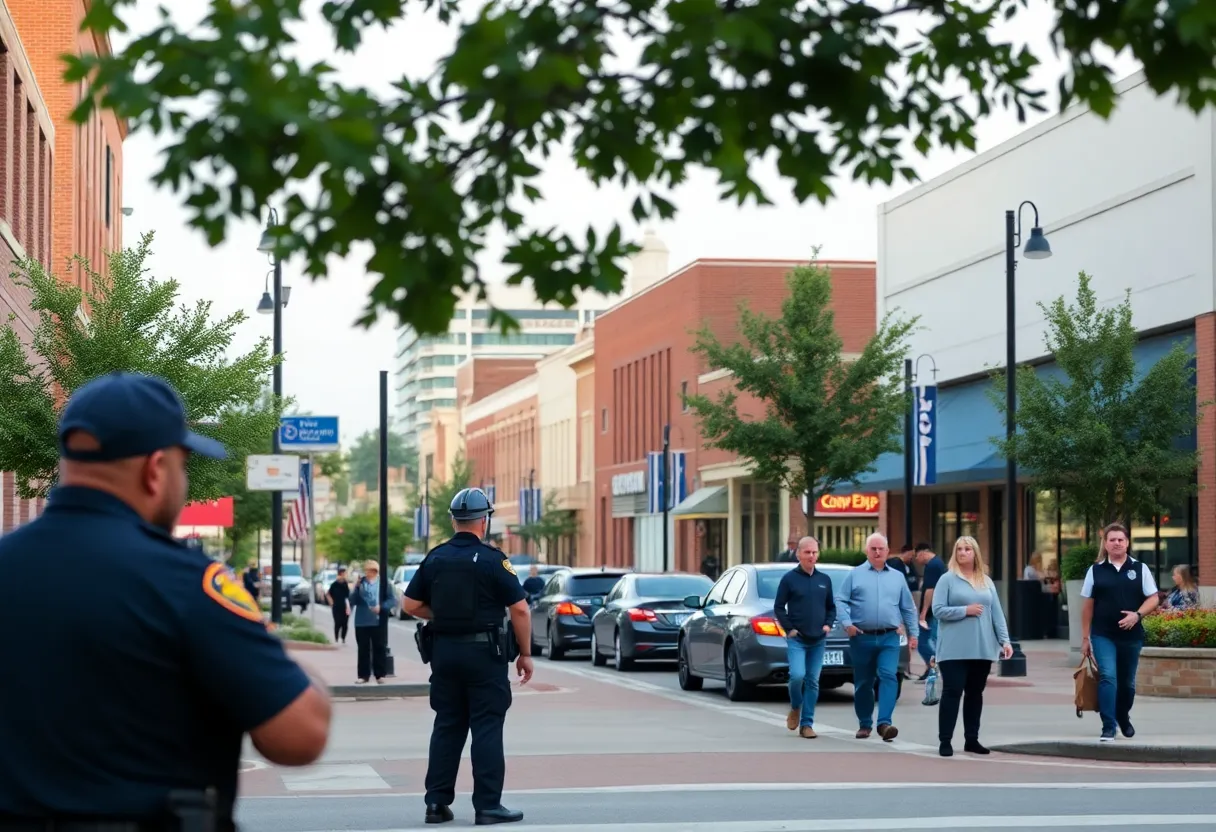


Greenville, South Carolina, January 29, 2026
Recent data on traffic safety reveals a complicated picture for the Carolinas, as South Carolina sees a decline in fatalities while Greenville County contends with high crash volumes. The overall fatality statistics across the state suggest improvement, yet road quality and safety concerns remain prominent. Meanwhile, North Carolina continues to struggle with increasing fatalities and deteriorating infrastructure conditions. As both states adapt their traffic safety measures, challenges persist in ensuring safer roadways for all users.
Greenville, South Carolina – Recent traffic data indicates a complex picture for road safety and infrastructure across the Carolinas and nationwide. While South Carolina recorded a significant drop in overall traffic fatalities in 2025, Greenville County experienced consistently high traffic crash volumes in the early part of that year, signaling a dangerous period for the county.
Traffic Safety Trends Evolve Across the Carolinas
In a positive development for South Carolina, preliminary data for 2025 shows at least 880 traffic-related deaths, a notable decrease from 1,032 fatalities recorded in 2024. This marks the lowest statewide fatality count in four years, suggesting a stabilizing trend in road safety after elevated dangers during the post-pandemic years of 2022 to 2024, which consistently saw over 1,000 deaths annually. The number of fatal vehicle collisions also declined from 946 in 2024 to 826 by late December 2025. Officials attribute this reduction to a lower frequency of high-speed collisions and improved safety outcomes in multi-vehicle accidents.
However, the state continues to grapple with road quality concerns. In 2023, only 80.50% of South Carolina roads were considered acceptable, a decrease from 86.82% in 2013. The death rate per 100 million vehicle miles traveled (VMT) also rose from 1.57 in 2013 to 2.08 in 2021, before a slight decline to 1.72 in 2023, indicating an increased risk per mile traveled over the decade. Common factors contributing to car accidents in South Carolina include driving too fast for conditions, failing to yield the right of way, following too closely, improper use of lanes, distracted driving, disregarding traffic signs and signals, and driving under the influence.
North Carolina Faces Persistent Safety Challenges and Infrastructure Needs
North Carolina’s roadways continue to present significant safety challenges. Over the decade from 2014 to 2024, the state saw a 29% increase in traffic fatalities, with the fatality rate per 100 million vehicle miles traveled rising by 15%, despite a slight decrease from 2021 to 2024. Between 2019 and 2023, nearly 8,000 individuals lost their lives in traffic incidents, with a fatality rate of 1.36 deaths per 100 million miles traveled, which is higher than the national average of 1.26. Fatalities and fatality rates increased by 20% and 21%, respectively, during this period, even as overall vehicle traffic saw a 2% decline. In 2021, North Carolina recorded over 276,000 traffic crashes, leading to more than 114,700 injuries and over 1,700 fatalities. Speeding was a factor in almost a quarter of fatal crashes, and distracted driving accounted for 17.9% of reported incidents, though this figure is likely underreported. The demographic group aged 20-29 was the most prone to crashes, and approximately 70% of accidents occurred during peak hours between 7:00 AM and 7:00 PM.
Efforts are underway to address these concerns, with North Carolina’s 2024 Strategic Highway Safety Plan (SHSP) aiming to reduce fatalities and serious injuries by half by 2035, working towards a goal of zero by 2050. However, traffic-related fatalities in the state increased by 21% between the 2019 and 2024 SHSP reporting periods, requiring a 9% annual decrease to achieve the 2050 target. Lane departure crashes are a significant concern, constituting 22% of all crashes and 52% of fatal and serious injury crashes, with average annual fatalities from these incidents rising by 19% between 2019 and 2024.
Infrastructure Condition and Investment
North Carolina’s infrastructure received an overall grade of C- in the 2026 report card by the American Society of Civil Engineers’ North Carolina Section. This assessment highlights critical needs for improved funding, operations, maintenance, and capacity. As of 2024, while 46% of the state’s 13,848 bridges were in good condition and another 46% fair, 8% were rated poor. Significant investment has reduced the percentage of poor bridges from 22.8% in 2014. However, over 4,800 bridges are more than 50 years old, a number projected to exceed 6,300 by 2035.
The state’s roads also face mounting pressures. Nearly two-thirds of North Carolina’s roads are in only fair condition, necessitating resurfacing or replacement within the next decade. A September 2024 report indicated that 37% of North Carolina’s roads are in poor or mediocre condition, while 25% are fair and 38% are in good condition. Deteriorating roads and bridges translate to over $5 billion in additional costs annually for North Carolina drivers, averaging $633 per driver in vehicle operating costs. To combat these issues, numerous road construction and widening projects are in progress. As of July 2025, 97% of damaged roads have been reopened, and over 460 bridges and 1,300 culverts have been repaired, including the vital Interstate 40, which restored access between North Carolina and Tennessee.
Population Growth and Congestion
North Carolina’s population has seen a significant increase of 600,000 people since 2020. Much of this growth is concentrated in urban areas like Charlotte and the Triangle region, which places increased demand on existing transportation infrastructure and exacerbates traffic congestion. This necessitates substantial investment in transportation management, capacity enhancements, and the development of alternative transportation modes to prevent severe impairment of the system.
Charlotte’s Air Traffic and Local Road Congestion
Charlotte Douglas International Airport (CLT) continued to be one of the world’s busiest airports in 2024, ranking sixth globally for arrivals and departures and seventh in North America for passengers, with a record-breaking 58,811,725 passenger counts. However, CLT forecasted a modest dip in passenger traffic for fiscal year 2025, with an anticipated 10% decline in Thanksgiving holiday travel in November-December 2025 compared to 2024, primarily due to reduced connecting traffic and economic trends. Year-to-date through September 2025, airport traffic was down approximately 7.5% to 40.7 million passengers.
Beyond the airport, Charlotte-area drivers face considerable road congestion, losing an average of 48 hours annually to traffic delays. This congestion costs drivers an estimated $1,319 each year in lost time and fuel, including about 20 gallons of wasted gas, making it the highest congestion cost in North Carolina.
Meanwhile, New Bern, NC, despite a slight population decrease between 2015 and 2019, remains a city with a robust calendar of events.
Nationwide Driving Safety Concerns
Across America’s roads, more than one hit-and-run crash occurs every minute. Additionally, statistical data indicates that elderly driving safety generally begins to decline around age 70, with the risk per mile traveled increasing thereafter. In 2025, U.S. traffic fatality trends showed signs of stabilization after previous elevated rates. Key contributing factors to serious crashes nationwide included excessive speed, impaired driving, distracted driving, and failure to wear seat belts. Work zone safety remained a national priority throughout 2025. The nationwide traffic fatality rate experienced a 13.5% decrease during the first six months of 2025, even as Americans drove 0.8% more miles.
FAQ
Q: What are the latest traffic fatality trends in South Carolina?
A: South Carolina saw a significant decrease in traffic-related deaths in 2025, with at least 880 fatalities, down from 1,032 in 2024. This marks the lowest statewide count in four years.
Q: How has North Carolina’s traffic safety changed over the last decade?
A: North Carolina traffic fatalities increased by 29% in the decade from 2014 to 2024, and the fatality rate per 100 million vehicle miles traveled (VMT) increased by 15% over the same period.
Q: What is the condition of North Carolina’s infrastructure?
A: North Carolina’s infrastructure received an overall grade of C- in the 2026 ASCE report card, indicating a need for improvement. Nearly two-thirds of the state’s roads are in only fair condition, and 8% of bridges were rated poor as of 2024.
Q: What are the latest passenger traffic trends at Charlotte Douglas International Airport (CLT)?
A: CLT handled a record-breaking 58,811,725 passengers in 2024, making it one of the world’s busiest airports. However, a modest dip in passenger traffic was forecasted for fiscal year 2025, with a 10% decline expected during the Thanksgiving holiday period in November-December 2025 compared to the previous year.
Q: What are common causes of car accidents in South Carolina?
A: Leading contributing factors to car accidents in South Carolina include driving too fast for conditions, failing to yield the right of way, following too closely, improper use of lanes, distracted driving, disregarding traffic signs and signals, and driving under the influence.
Q: How does population growth impact North Carolina’s transportation?
A: North Carolina’s population growth, particularly in urban centers, leads to increased demand on transportation infrastructure and contributes to worsening traffic congestion, necessitating significant investment in improvements and alternative transit options.
Q: What is the national trend for hit-and-run crashes?
A: More than one hit-and-run crash happens every minute on America’s roads.
Key Traffic and Infrastructure Features (2024-2025 Data)
| Feature | Description | Scope |
|---|---|---|
| South Carolina Traffic Fatalities (2025) | At least 880 deaths, a decrease from 1,032 in 2024; lowest in four years. | State-level |
| Greenville County Traffic Crash Volumes (Early 2025) | Consistently high. | Local |
| North Carolina Traffic Fatalities (2014-2024) | Increased by 29%; fatality rate per 100 million VMT increased by 15%. | State-level |
| North Carolina Infrastructure Grade (2026 ASCE) | C- overall. | State-level |
| North Carolina Road Condition (September 2024) | 37% in poor or mediocre condition; 25% fair; 38% good. | State-level |
| Charlotte Douglas International Airport Passengers (2024) | Record-breaking 58,811,725 passengers; ranked 6th globally for arrivals/departures. | Local |
| Charlotte Douglas International Airport Traffic Forecast (Fiscal Year 2025) | Modest dip expected; 10% decline in Thanksgiving holiday traffic. | Local |
| Charlotte Area Traffic Congestion (Annual) | Average 48 hours lost annually to congestion, costing $1,319 per driver. | Local |
| Hit-and-Run Crashes (Frequency) | More than one per minute. | Nationwide |
| Elderly Driving Safety (Age) | Statistically declines at about age 70. | Nationwide [cite: 5, “How to Take the Keys Away From Aging Parents | James Scott Farrin-Nov 13, 2021”] |
Deeper Dive: News & Info About This Topic
HERE Resources
Charlotte Police Report Decrease in Violent Crime, HOA Dispute Resolved
Measles Virus Detected in Mecklenburg County Wastewater
Man Found Dead in Charlotte Marriott Hotel Amid Drug Bust
Interstate 485 Reopens After Major Tractor-Trailer Crash
Sycamore Brewing Closes South End Taproom Amid Arrest Scandal
Cornelius Reports Economic Growth with New Bank Plans
Charlotte, North Carolina Sees Safe New Year Amidst Infrastructure Recovery
New Federal Prosecutor Sworn in for Western North Carolina
Elderly Pedestrian Fatally Struck on I-277 Ramp in Charlotte
Homicide Investigation Launched in Southeast Charlotte

Author: HERE Charlotte
The CHARLOTTE STAFF WRITER represents the experienced team at HERECharlotte.com, your go-to source for actionable local news and information in Charlotte, Mecklenburg County, and beyond. Specializing in "news you can use," we cover essential topics like product reviews for personal and business needs, local business directories, politics, real estate trends, neighborhood insights, and state news affecting the area—with deep expertise drawn from years of dedicated reporting and strong community input, including local press releases and business updates. We deliver top reporting on high-value events such as Lovin' Life Music Festival, Charlotte Pride festival, and major sporting tournaments at Bank of America Stadium. Our coverage extends to key organizations like the Charlotte Regional Business Alliance and Foundation for the Carolinas, plus leading businesses in finance and entertainment that power the local economy such as Bank of America and NASCAR. As part of the broader HERE network, including HEREAsheville.com, HEREGreensboro.com, HERERaleigh.com, and HEREOBX.com, we provide comprehensive, credible insights into North Carolina's dynamic landscape.