
Charlotte, North Carolina, February 3, 2026
In a bizarre incident in Charlotte, North Carolina, a man broke into a Little Caesars restaurant and started an unauthorized pizza-making business using the restaurant’s ingredients and equipment. He managed to sell pizzas to customers until police intervened, resulting in his arrest. This unusual entrepreneurial act within an established food service highlights serious concerns regarding security and crime in commercial establishments, prompting local businesses to reassess their safety measures.
Charlotte, North Carolina
A highly unusual incident recently came to light in Charlotte, North Carolina, where a man reportedly broke into a Little Caesars pizza restaurant and began operating his own unauthorized pizza-making and selling business from within the establishment. Police intervened, leading to the apprehension of the individual involved. This strange occurrence has drawn significant attention due to its brazen nature and the peculiar entrepreneurial spirit displayed in a criminal context.
The details surrounding the event indicate that the man gained unlawful entry into a Little Caesars location in Charlotte. Once inside, he took advantage of the commercial kitchen setup, using the restaurant’s ingredients and equipment to prepare pizzas. What makes the situation particularly striking is that he was not merely consuming the food or vandalizing the property, but actively selling these unauthorized pizzas to unsuspecting customers. This makeshift operation continued until authorities were alerted and responded to the scene. The original report detailing this incident emerged on January 29, 2024.
An Unconventional Enterprise
The suspect’s motivation appears to have been financial gain, leveraging the established brand and infrastructure of the pizza chain for his illicit venture. The exact duration of this unauthorized operation before detection remains part of the ongoing investigation, but the act of making and selling implies a period of active engagement. The sheer audacity of setting up a rogue pizza business within an active commercial establishment, complete with customer transactions, is a rare occurrence in criminal activities. It suggests a calculated, albeit highly illegal, exploitation of resources and an attempt to profit directly from the unsuspecting public.
Law Enforcement’s Swift Response
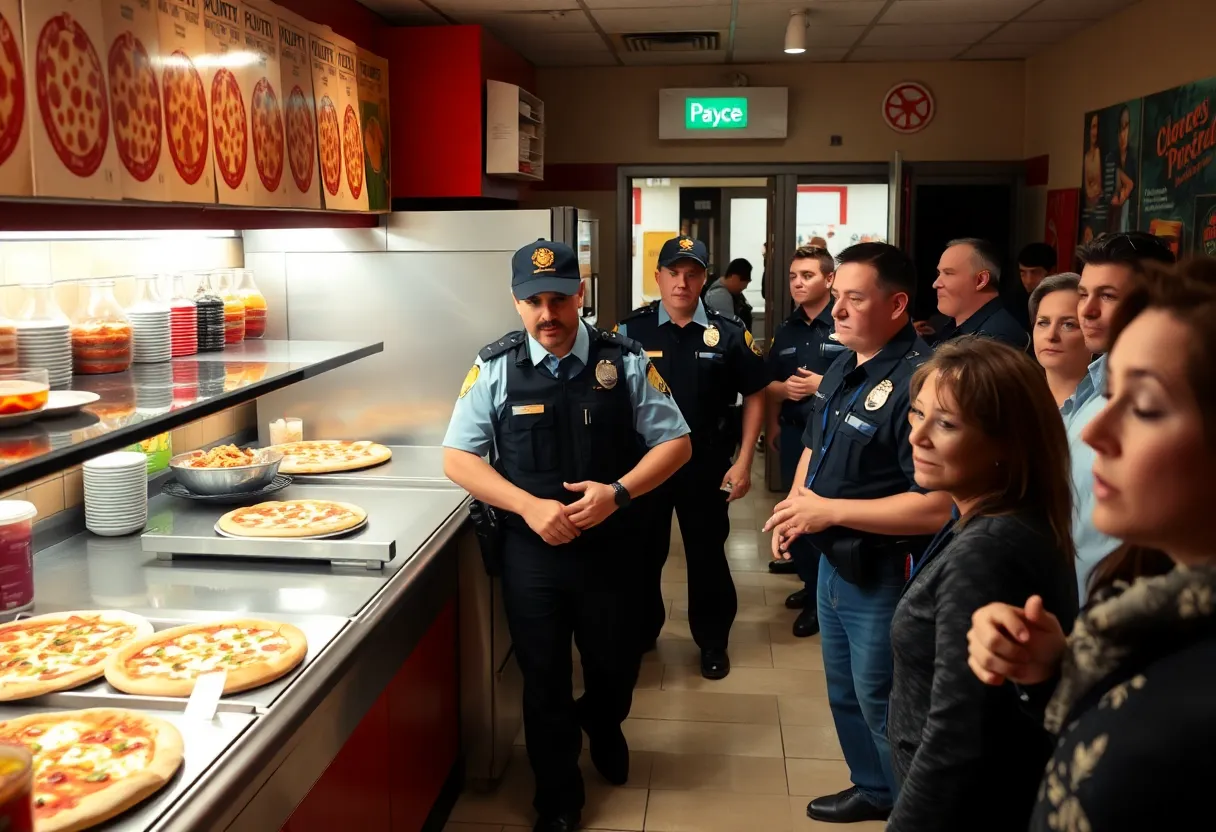
Upon receiving reports or discovering the illicit activity, Charlotte police swiftly responded to the Little Caesars location. Law enforcement officers were faced with the unusual scene of an individual operating a food business under false pretenses. The suspect was reportedly taken into custody without significant resistance, bringing an end to his impromptu culinary enterprise. Police statements confirm that an arrest was made in connection with the break-in and subsequent unauthorized activities.
The immediate actions taken by the police were crucial in stopping the unauthorized operation and securing the premises. Officers had to assess the situation rapidly, ensuring public safety, especially concerning food preparation standards and potential health code violations from an unregulated operation. The prompt response underscores the commitment of local law enforcement to address even the most unconventional criminal acts that impact local businesses and public trust.
Potential Charges and Legal Ramifications
While specific charges often depend on the intricacies of local and state laws, it is anticipated that the individual will face several serious legal consequences. Primary charges are likely to include breaking and entering, a felony offense in North Carolina, which pertains to unlawfully entering a building with criminal intent. Additionally, the act of taking ingredients and selling pizzas would likely lead to charges of theft or larceny, depending on the value of the goods misappropriated. Given that the individual was actively conducting a business, albeit an illegal one, without proper licensing or health department oversight, further charges related to operating an unregistered business or violating public health codes could also be considered.
The judicial process will determine the exact legal penalties, which could range from fines to significant jail time, especially given the felony nature of breaking and entering. The courts will examine all facets of the incident, including the extent of the unauthorized sales, any damages incurred by the Little Caesars franchise, and the suspect’s criminal history, if any. This case serves as a stark reminder of the legal boundaries surrounding private property and legitimate commercial operations.
Broader Implications for Businesses
This incident, while unique, underscores broader concerns for commercial establishments regarding security and property protection. Businesses, particularly those in the food service industry, must maintain robust security measures to prevent unauthorized access and potential exploitation. This includes secure locking systems, alarm protocols, and potentially surveillance technology to monitor premises outside of operating hours. The unexpected nature of this particular crime highlights that threats can come in varied forms, not just typical theft or vandalism.
For the affected Little Caesars franchise, the incident will likely necessitate a thorough review of security protocols to prevent future occurrences. There may also be a need to assess any potential financial losses from the stolen inventory and unauthorized sales, as well as any impact on the brand’s reputation in the immediate aftermath. Businesses are continually challenged to balance accessibility with stringent security, especially those with late-night operations or easily accessible equipment.
Community Reassurance and Public Safety
The community will undoubtedly seek reassurance regarding the safety and integrity of local businesses. Consumers rely on established health and safety standards when purchasing food, and an incident like this can cause concern. Authorities and legitimate businesses work diligently to ensure that food sold to the public meets all regulatory requirements. This particular event is an anomaly, and customers can generally expect that licensed establishments adhere to strict hygiene and operational standards. The swift arrest in this case helps to uphold public trust in law enforcement’s ability to address and resolve such unusual criminal activities effectively.
The bizarre circumstances of a pop-up pirate pizza operation inside a legitimate restaurant have indeed captivated public interest, providing a moment of both bewilderment and concern for locals in Charlotte.
Key Features of the Charlotte Little Caesars Incident
| Feature | Description | Geographic Scope |
|---|---|---|
| Nature of Incident | Unauthorized break-in and operation of a pizza-making and selling business. | State-level (North Carolina) |
| Location | A Little Caesars pizza restaurant in Charlotte. | State-level (North Carolina) |
| Suspect’s Action | Used restaurant equipment and ingredients to make and sell pizzas. | State-level (North Carolina) |
| Law Enforcement Involvement | Police responded swiftly and made an arrest. | State-level (North Carolina) |
| Potential Charges | Breaking and entering, theft/larceny, operating an unregistered business, public health code violations. | State-level (North Carolina) |
| Date of Original Report | January 29, 2024. | State-level (North Carolina) |
Deeper Dive: News & Info About This Topic
HERE Resources

Author: HERE Charlotte
The CHARLOTTE STAFF WRITER represents the experienced team at HERECharlotte.com, your go-to source for actionable local news and information in Charlotte, Mecklenburg County, and beyond. Specializing in "news you can use," we cover essential topics like product reviews for personal and business needs, local business directories, politics, real estate trends, neighborhood insights, and state news affecting the area—with deep expertise drawn from years of dedicated reporting and strong community input, including local press releases and business updates. We deliver top reporting on high-value events such as Lovin' Life Music Festival, Charlotte Pride festival, and major sporting tournaments at Bank of America Stadium. Our coverage extends to key organizations like the Charlotte Regional Business Alliance and Foundation for the Carolinas, plus leading businesses in finance and entertainment that power the local economy such as Bank of America and NASCAR. As part of the broader HERE network, including HEREAsheville.com, HEREGreensboro.com, HERERaleigh.com, and HEREOBX.com, we provide comprehensive, credible insights into North Carolina's dynamic landscape.