

Charlotte, North Carolina, December 10, 2025
A significant rise in parents refusing vitamin K shots for newborns is raising alarming health concerns. A recent study shows refusal rates climbed 77% since 2017, potentially jeopardizing infant health by increasing the risk of vitamin K deficiency bleeding (VKDB). Pediatric experts emphasize the importance and safety of this preventive measure, which has been recommended since 1961. Increased vaccine hesitancy and misinformation are major factors contributing to this trend, prompting urgent calls for improved education and awareness among parents.
Surge in Parents Refusing Vitamin K Shots for Newborns Raises Concerns
Significant rise in vitamin K shot refusals could impact infant health across the nation.
Charlotte, North Carolina – The health of newborns could be jeopardized as a recent study from the Children’s Hospital of Philadelphia indicates a troubling trend: an increase in the number of parents opting out of administering the vitamin K shot to their infants. This rise, with refusal rates climbing by 77% since 2017, poses risks to infant health, including a greater likelihood of developing vitamin K deficiency bleeding (VKDB), a serious condition that can lead to severe complications. The importance of this preventive measure is underscored by its decades-long recommendation from pediatric experts.
Analyzing the medical records of over five million newborns from 2017 to 2024, the study revealed that the percentage of infants not receiving the vitamin K shot has grown from 2.92% in 2017 to 5.18% in 2024. VKDB, while rare, can result in dangerous bleeding, particularly in the brain. The increase in refusal rates highlights the need for improved parent education and awareness surrounding the necessity and effectiveness of this preventive treatment.
The Vitamin K Shot Explained
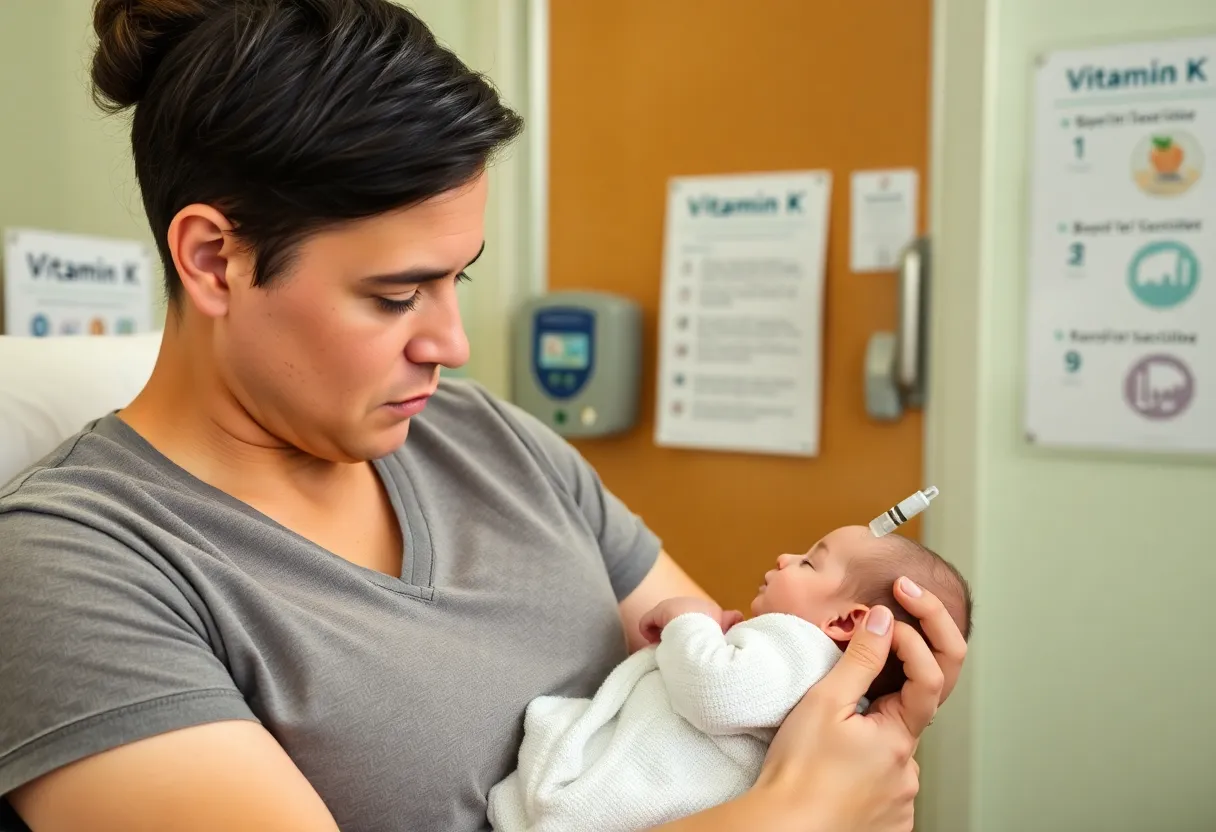
The vitamin K shot is an injection administered to newborns shortly after birth to prevent VKDB. Infants are born with low levels of vitamin K, essential for blood clotting, which makes them vulnerable to this rare but serious condition. Since 1961, the American Academy of Pediatrics has recommended the vitamin K shot as a routine practice to protect newborns.
Rising Refusal Rates: The Underlying Factors
Experts attribute the increase in refusals to a combination of factors, notably rising vaccine hesitancy and the proliferation of misinformation. Parents may find themselves influenced by misconceptions about the safety and necessity of the vitamin K shot, leading to decisions that could potentially put their children at risk.
The Consequences of Declining the Vitamin K Shot
Choosing to forgo the vitamin K shot can expose newborns to an increased risk of VKDB, which can result in severe health complications, including brain damage or life-threatening bleeding. Healthcare providers stress the importance of this preventive measure, as the vitamin K shot is both safe and effective in safeguarding against these risks.
Efforts to Improve Awareness and Acceptance
To counteract the rising trend of vitamin K shot refusals, healthcare professionals are intensifying efforts to educate parents about the benefits and safety of the injection. These educational initiatives aim to clarify any misunderstandings and amplify trust in established medical guidelines, ultimately ensuring that parents are well-informed to make decisions that support their newborns’ health.
Conclusion
The increase in the refusal of the vitamin K shot among parents poses significant concerns for newborn health. With comprehensive education and clear communication regarding the benefits of the vitamin K shot, healthcare providers can help navigate the landscape of parental hesitancy. As the community prioritizes health and safety, it’s essential to remain engaged and support initiatives that empower local families in making informed healthcare decisions.
Frequently Asked Questions (FAQ)
What is the vitamin K shot, and why is it given to newborns?
The vitamin K shot is an injection administered to newborns shortly after birth to prevent vitamin K deficiency bleeding (VKDB), a rare but serious condition that can lead to dangerous bleeding in various parts of the body, including the brain. Newborns are born with low levels of vitamin K, which is essential for blood clotting, making them susceptible to VKDB.
What are the risks of refusing the vitamin K shot for newborns?
Refusing the vitamin K shot increases the risk of VKDB, which can cause severe health complications, including brain damage or death. The vitamin K shot is a safe and effective measure to prevent these risks.
Why are more parents refusing the vitamin K shot for their newborns?
Experts suggest that increased vaccine hesitancy and misinformation may contribute to the rise in refusals. Some parents may be influenced by misconceptions or unfounded fears about the safety and necessity of the vitamin K shot.
What is being done to address the increase in vitamin K shot refusals?
Healthcare providers are emphasizing the importance of educating parents about the benefits and safety of the vitamin K shot to ensure the health and safety of newborns. Efforts include providing accurate information and addressing concerns to encourage parents to accept the vitamin K shot for their infants.
Key Features of the Vitamin K Shot for Newborns
| Feature | Description |
|---|---|
| Purpose | Prevents vitamin K deficiency bleeding (VKDB) in newborns. |
| Administration | Given as an intramuscular injection shortly after birth. |
| Effectiveness | Significantly reduces the incidence of VKDB, a rare but serious condition that can lead to dangerous bleeding in various parts of the body, including the brain. |
| Safety | Considered safe with minimal risks; adverse reactions are rare. |
| Recommendation | Recommended by the American Academy of Pediatrics since 1961. |
Deeper Dive: News & Info About This Topic
HERE Resources

Author: HERE Charlotte
The CHARLOTTE STAFF WRITER represents the experienced team at HERECharlotte.com, your go-to source for actionable local news and information in Charlotte, Mecklenburg County, and beyond. Specializing in "news you can use," we cover essential topics like product reviews for personal and business needs, local business directories, politics, real estate trends, neighborhood insights, and state news affecting the area—with deep expertise drawn from years of dedicated reporting and strong community input, including local press releases and business updates. We deliver top reporting on high-value events such as Lovin' Life Music Festival, Charlotte Pride festival, and major sporting tournaments at Bank of America Stadium. Our coverage extends to key organizations like the Charlotte Regional Business Alliance and Foundation for the Carolinas, plus leading businesses in finance and entertainment that power the local economy such as Bank of America and NASCAR. As part of the broader HERE network, including HEREAsheville.com, HEREGreensboro.com, HERERaleigh.com, and HEREOBX.com, we provide comprehensive, credible insights into North Carolina's dynamic landscape.